Why the pet-friendly business hotel extended stay has become the smart executive choice
Business travelers who once left the pet at home are quietly changing habits. A genuinely pet friendly business hotel extended stay now solves the emotional strain and the financial hit of two weeks of boarding, especially when dog boarding can easily cost between 35 and 70 dollars per night at standard kennels and well over 100 dollars at luxury facilities. Industry ranges reported by national kennel associations and regional veterinary groups in the early 2020s suggest those figures are typical in major U.S. metro areas. When a work assignment stretches beyond seven nights, the total boarding cost for pets can approach or exceed 1,000 dollars, which makes a well chosen extended stay hotel with a transparent pet fee look suddenly rational rather than indulgent.
Extended stay properties are built around routine, and that rhythm suits a dog or other pet far better than a traditional transient hotel with constant change. Suites with kitchenettes or full kitchens allow you to control food and water for pets, prepare fresh food water combinations, and store specialist pet food that might not be available near the city center or the airport. For an executive who needs to maintain productivity, having the pet settled in one calm room with familiar bowls, a travel bed, and predictable walking routes is often the difference between a focused stay and a distracted one.
Chains such as Residence Inn by Marriott, Homewood Suites by Hilton, and Extended Stay America have leaned into this reality by offering pet friendly suites that feel more like small apartments than standard hotel rooms. Across the United States, a majority of hotels now allow some form of pets, based on American Hotel & Lodging Association (AHLA) lodging surveys published in the last few years, but extended stay brands tend to publish clearer policies on weight limit, pet fee, and whether any second pet can stay free or at a reduced rate. For the business leisure traveler extending a trip into a long weekend, that clarity matters more than marble lobbies, because the priority is a friendly hotel where the dog is genuinely welcome and not merely tolerated.
How extended stay layouts work better for pets and productivity
The architecture of an extended stay hotel quietly shapes how well your dog settles. A typical Residence Inn or Homewood Suites by Hilton offers separate living and sleeping zones, so a nervous pet can curl up on a travel bed in the quieter part of the room while you take calls from the desk or kitchen area. When suites include full size fridges, microwaves, and hobs, you can manage food water routines for pets with the same precision you have at home, which is especially useful for animals on prescription food.
Many extended stay hotels now provide pet amenities on request, and the most pet friendly properties go beyond a token dog bed in the corner. At check in, you may find stainless steel bowls, waste bags, and sometimes even branded water bowls already waiting in the room, which signals that pets are part of the core guest profile rather than an afterthought. As one industry FAQ from major chains puts it, "Do hotels provide pet amenities? Many offer beds, bowls, and treats."
For executives used to premium brands such as Ritz Carlton or high service Residence Inn locations, the key is to read each individual hotel policy rather than assume uniform standards across a chain. Some friendly hotels cap the pet weight limit at around 75 pounds, while others accept larger dogs but charge a higher pet fee per stay or per night. When you book stay dates that stretch beyond a week, those details quickly add up, so it is worth comparing an Extended Stay America style property, a Homewood Suites by Hilton, and a Residence Inn in the same city to see which friendly hotel offers the best balance of space, pet friendly attitude, and total cost.
In markets such as Tampa or Orlando, where leisure and business blur, you will also find extended stay brands competing directly with more traditional resort style hotels for the dog friendly traveler. If you are considering a warm weather add on to a work trip, guides to elegant pet friendly hotels in Tampa can help you benchmark how extended stay suites compare with higher end coastal properties on pet policies and amenities. The pattern that emerges is consistent; extended stay layouts usually win on routine, kitchen access, and predictable pet rules, even when the lobby is less theatrical than a waterfront inn.
Cost calculus: boarding versus bringing the dog to an extended stay
When a business trip runs ten nights or more, the financial argument for a pet friendly business hotel extended stay becomes compelling. Standard dog boarding at 35 to 70 dollars per night means that a two week assignment can quietly generate 490 to 980 dollars in kennel fees before you even factor in extras such as play sessions or grooming. Industry snapshots from organizations such as the American Pet Products Association and AKC style boarding cost guides in the early 2020s indicate that luxury boarding facilities in major city markets can push that total well beyond 1,000 dollars, which is why many executives now run the numbers before they approve a kennel booking.
By contrast, a transparent pet fee at an extended stay hotel is usually charged per stay rather than per night, and information from chain policy pages shows that common pet fees range from 25 to 150 dollars per stay. Even when a Residence Inn, a Homewood Suites by Hilton, or an Extended Stay America location charges at the upper end of that range, the total cost of bringing one or two pets often undercuts the price of boarding by several hundred dollars. When you add the emotional benefit of having the dog or other pet with you, the value proposition of a pet friendly extended stay becomes even stronger.
There is also the hidden cost of disruption to consider, because many dogs struggle with the stress of kennels and the loss of routine. Extended stay properties allow you to maintain consistent feeding times, regular walks, and familiar food water patterns, which supports both pet well being and your own sleep quality. For travelers who plan to add a leisure segment after the meetings, especially in coastal markets, it is worth reading detailed analyses such as this guide to what a pet friendly beach hotel really delivers for dogs in terms of sand, salt, and safety, then comparing those insights with the calmer environment of an inland extended stay hotel.
Corporate travel policies rarely reimburse pet related costs, so you should assume that any pet fee, extra cleaning charge, or pet sitting service will be a personal expense. That reality makes the mid range extended stay segment particularly attractive, because this category now represents a substantial share of the global pet friendly hotel market in recent hospitality research and tends to combine reasonable nightly rates with modest pet fees. When you factor in the ability to cook in the room, which reduces restaurant spending, the overall trip budget for a pet friendly business hotel extended stay can look surprisingly lean compared with a traditional full service hotel plus kennel combination.
Corporate travel policies, pet fees, and the reality of reimbursement
Most corporate travel policies were written when the assumption was simple; the employee travels, the pet stays home. As remote work, flexible schedules, and blended business leisure trips have become more common, those policies have lagged behind the lived reality of executives who now expect to bring pets on the road. In practice, that means you must read both your company travel guidelines and each individual hotel pet policy before you book stay dates, because misalignment can be expensive.
Corporate programs often negotiate rates with major chains such as Residence Inn, Suites Hilton brands like Homewood Suites, and Hampton Inn properties, but the negotiated rate usually covers only the room and taxes. Pet fees, extra cleaning charges, and any penalties for exceeding a weight limit are almost always classified as personal expenses, even when the hotel is otherwise part of the preferred supplier list. When you choose a pet friendly business hotel extended stay, you are therefore balancing the savings on boarding against the certainty that you will personally pay any pet fee or damage charge.
Extended stay brands have an advantage here because they tend to publish clear pet policies online, including whether pets stay free for loyalty members, how many pets are allowed per room, and what weight limit applies. Some friendly hotels will accept two pets up to a combined 75 pounds, while others set a strict per pet limit and charge a higher fee for larger dogs. Before you confirm a reservation, it is worth calling the front desk of the specific hotel to ask about water bowls, waste bags, and nearby green space, because those details rarely appear in corporate booking tools but make a significant difference to daily life with pets.
There is also a cultural dimension that corporate policies do not capture; some hotels are technically pet friendly but treat animals as a nuisance, while others welcome them as part of the guest mix. For a deeper look at how to read between the lines of marketing language, this analysis of what pet friendly actually means at the property level is useful reading before you commit to a long stay. When you align a genuinely dog friendly extended stay property with a realistic understanding of what your company will and will not reimburse, you can design trips where both your expense report and your pet remain under control.
Routine, mental health, and why dogs thrive in extended stay environments
Dogs are creatures of habit, and business travel is the enemy of habit. A traditional hotel stay with daily housekeeping, noisy corridors, and constant elevator traffic can leave even a confident dog unsettled, which in turn disrupts your own sleep and work focus. Extended stay properties, by contrast, are designed for longer occupancy, with quieter corridors, fewer housekeeping visits, and layouts that make it easier to create a stable routine for pets.
In a typical extended stay suite, you can set up a dedicated pet zone with a travel bed, bowls, and toys in the same corner of the room for the entire stay. That consistency helps dogs understand the boundaries of their temporary home, especially when you pair it with predictable feeding times and regular walks to the same patch of grass or nearby park. Many Residence Inn, WoodSpring Suites, and Homewood Suites locations are in mixed use neighborhoods rather than dense downtown cores, which often means easier access to green space and quieter streets for early morning or late night walks.
From a mental health perspective, bringing a dog on a long assignment can also reduce the loneliness that often accompanies extended business travel. The presence of a pet in the room encourages you to step away from the laptop, take short walks, and maintain a healthier rhythm, which ultimately supports better work performance. For executives who regularly shuttle between hubs such as Philadelphia, Orlando, and other major city markets, choosing a pet friendly business hotel extended stay with consistent layouts and policies across locations allows both human and animal to settle more quickly each time.
It is worth noting that not all pets are suited to travel, and some may find even the calmest extended stay environment stressful. Before you commit to bringing a dog or other pet, test shorter trips, speak with your veterinarian about anxiety management, and consider whether your work schedule will allow enough time for walks and interaction. When the fit is right, though, the combination of a stable extended stay suite, a clear pet policy, and a thoughtful routine can transform business travel from a necessary disruption into a shared experience that strengthens the bond between you and your dog.
Top pet friendly extended stay picks in key business cities
For executives who split time between coasts, a few extended stay brands consistently stand out for pet friendly policies and practical details. In Philadelphia, Residence Inn locations and several Homewood Suites by Hilton properties offer spacious suites Philadelphia options with kitchenettes, queen beds, and separate living areas that work well for both humans and pets. Many of these hotels sit just outside the busiest center districts, which means easier access to parks and quieter streets for early morning walks before meetings.
Travelers who regularly route through Orlando for conferences or client visits will find a similar pattern, with Residence Inn, Hampton Inn and Suites, and Extended Stay America properties clustered near both the airport and the convention center. These hotels typically publish clear information on pet fees, weight limits, and whether multiple pets can stay free or at a reduced additional charge, which simplifies planning for those traveling with more than one dog. In both Philadelphia and Orlando, you will also find WoodSpring Suites locations that prioritize value, offering basic but functional suites with kitchenettes, on site laundry, and straightforward pet policies that appeal to cost conscious business travelers.
At the higher end of the market, some Ritz Carlton properties in major city centers now accept pets, but the experience differs markedly from an extended stay environment. You may enjoy elevated service, refined dining, and a more theatrical lobby, yet you will often trade away the kitchen, the extra floor space, and the relaxed attitude that define a pet friendly business hotel extended stay. For many executives, the sweet spot lies in pairing a premium extended stay brand such as Residence Inn or Homewood Suites with careful destination choices, so that the dog enjoys green space and routine while you retain the comforts and connectivity required for serious work.
Reading the fine print: pet policies, room types, and practical packing
Once you have chosen a pet friendly business hotel extended stay, the details of the reservation matter as much as the brand name. Always confirm whether the quoted pet fee is charged per night or per stay, whether there is a refundable deposit, and what cleaning protocols apply if your dog sheds heavily or has an accident. Some friendly hotels specify that pets must remain under a certain number of pounds, while others focus more on behavior than strict weight limits, so a quick phone call to the individual hotel can prevent awkward conversations at check in.
Room selection also plays a role in how comfortable the stay feels for both you and your pet. Suites with queen beds or larger, a separate seating area, and a small kitchen give you more flexibility to work while the dog rests, and they make it easier to keep food water bowls away from laptops and paperwork. Ground floor rooms near exits can be helpful for late night walks, but in busy city locations you may prefer higher floors for reduced street noise, so weigh your dog’s temperament against your own sleep preferences.
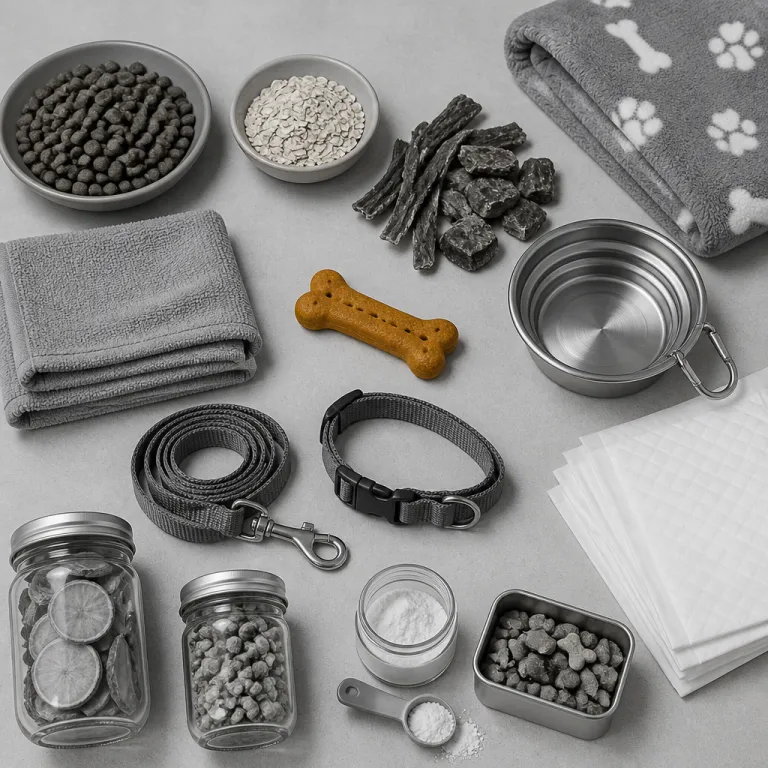
Packing for an extended stay with pets requires a slightly different mindset than a weekend trip. In addition to the usual leash, travel bowls, and waste bags, consider bringing a familiar bed or blanket, a supply of regular food, and any medications in clearly labeled containers, because local shops near the airport or business district may not stock your preferred brand. Many experienced travelers also carry a small kit with cleaning wipes, an extra set of water bowls, and a copy of vaccination records, which can be useful if you need to use local pet services during the stay.
To keep preparation simple, use a short checklist before departure: confirm the hotel’s pet fee and weight limit, note nearby green spaces, pack enough food for the full stay plus a buffer, include proof of vaccinations, and add a spare leash in case one is lost. When you combine that level of planning with a carefully chosen pet friendly business hotel extended stay, you create the conditions for repeatable, low friction trips where both your calendar and your canine remain in good shape.
Key figures on pet friendly extended stay business travel
- Recent AHLA Lodging Survey summaries indicate that roughly six in ten hotels in the United States now allow some form of pets, yet extended stay brands are over represented within that pet friendly segment.
- Standard dog boarding typically costs between 35 and 70 dollars per night, while luxury facilities can exceed 100 dollars per night, so a two week business trip can easily generate more than 1,000 dollars in boarding costs.
- Hospitality market commentary and traveler sentiment reports from the early 2020s suggest that a large majority of pet owners would willingly downgrade overall hotel quality in exchange for better pet care and amenities, which helps explain the strong growth of mid range extended stay properties.
- Common hotel pet fees range from 25 to 150 dollars per stay, which is usually far lower than the cumulative cost of boarding a dog for a long assignment of ten nights or more.
- The mid range hotel segment now accounts for a significant share of the global pet friendly hotel market in recent hospitality studies, with extended stay brands such as Residence Inn, Homewood Suites, and Extended Stay America playing a major role in that share.
FAQ about pet friendly extended stay business trips
What are common pet fees at extended stay hotels ?
Across major chains, common pet fees range from 25 to 150 dollars per stay, with some properties charging per night and others applying a flat fee for the entire booking. Extended stay brands such as Residence Inn, Homewood Suites, and Extended Stay America tend to publish these fees clearly on their websites and booking engines. Always confirm whether the fee is per pet and whether any part of it is refundable.
Are there typical weight limits for dogs at pet friendly hotels ?
Many pet friendly hotels set a weight limit around 75 pounds for individual dogs, although some properties are more flexible if the animal is well behaved. Extended stay brands often allow two smaller pets with a combined weight limit rather than one large dog, so policies vary by location. It is essential to call the specific hotel in advance if your dog is close to or above the stated limit.
Do hotels provide pet amenities such as beds and bowls ?
Many extended stay and full service hotels now provide basic pet amenities on request, including a pet bed, bowls, and sometimes treats at check in. As the industry FAQ states, "Do hotels provide pet amenities? Many offer beds, bowls, and treats." Availability can differ between properties in the same chain, so mention your pet when you book and reconfirm before arrival.
How can I maintain my dog’s routine during a long business stay ?
Choose an extended stay suite with a clear layout so you can set up a consistent sleeping and feeding area for your dog. Keep feeding times, walk schedules, and food water routines as close to home patterns as possible, and use the same bed or blanket your dog sleeps on at home. Limiting housekeeping visits and using the same walking routes each day also helps many dogs feel secure.
Will my company reimburse pet related costs on business trips ?
Most corporate travel policies treat pet fees, boarding, and pet sitting as personal expenses, even when the hotel itself is on a preferred supplier list. While your room, taxes, and standard incidentals may be reimbursed, you should assume that any pet fee, extra cleaning charge, or local pet service will not be covered. Check your company policy and speak with your travel manager before booking if you are unsure.