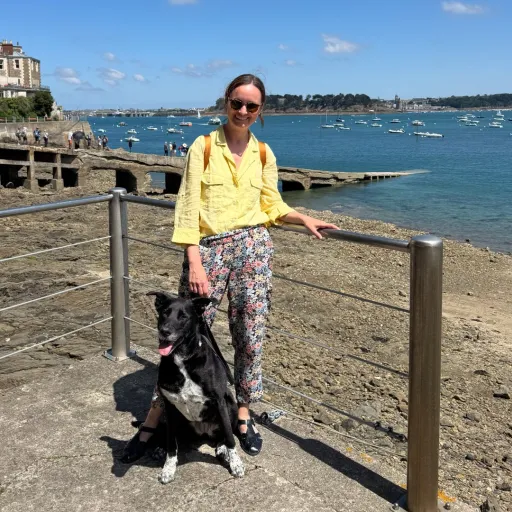
What makes a small property a good bet with a pet
Scale is the main advantage. In a ten-room house the owner knows every guest and every animal, so the unattended-animal clause is negotiated in conversation rather than enforced by policy. Breed restrictions are rare, weight limits rarer still, and the pet fee is often a flat charge per stay instead of a nightly line. Grounds matter too: a garden or a field removes the daily problem of finding pet relief areas in an unfamiliar town. Many of these houses sit on the coast, where they compete directly with the resorts covered under coastal properties we have reviewed, and with city addresses with the same approach.
Where the trade-offs usually sit
Small properties give up three things. Staffing is thin, so there is rarely anyone to walk or watch an animal while you are out. Facilities are basic: no pet menu, no dedicated washing area, sometimes no lift. And cancellation terms tend to be stricter, because one empty room out of ten hurts. None of this is a reason to avoid them, but it changes what you pack and how you plan the day. The people behind these houses are often the reason they work at all, which is why we follow the people who run these houses as a subject in its own right.
Checking the policy of an independent house
Get the terms in writing, even when the answer on the phone is a warm yes. Confirm the number of animals allowed, whether the pet fee is per night or per stay, whether the animal may be left in the room at all, and which rooms are available to guests with pets, since many houses keep one or two aside. Then compare candidates against our destination coverage. For markets where small properties dominate, look at independent houses in Poland and British properties that take animals, or open the full list of pet-friendly hotels.