Pet-Friendly Suite Design
How a room is designed decides whether a dog settles in it. We look at flooring, layout, door placement, noise insulation and the details that make a suite work for two guests and an animal.
The floor plan tells you more than the photographs — this is where we read it.
Spotlight
Last posts
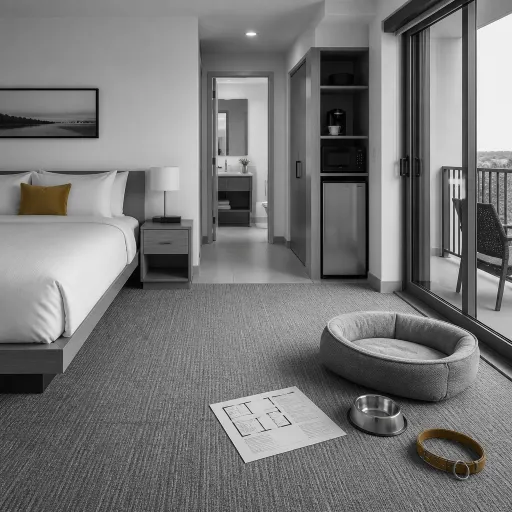
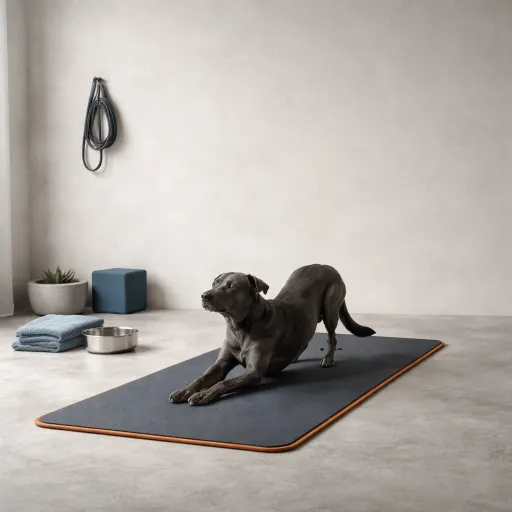


The design decisions that matter to a dog
Hard flooring instead of pale carpet, a defined corner away from the door, a bathroom that can be closed off, windows that open onto something calm rather than a service yard: none of it appears in a listing, and all of it decides whether your dog sleeps. We also look at where the room sits in the building. Ground-floor rooms with direct outside access make late-night walks straightforward; rooms beside a lift or an ice machine rarely do.
What separates a pet suite from a pet-tolerant room
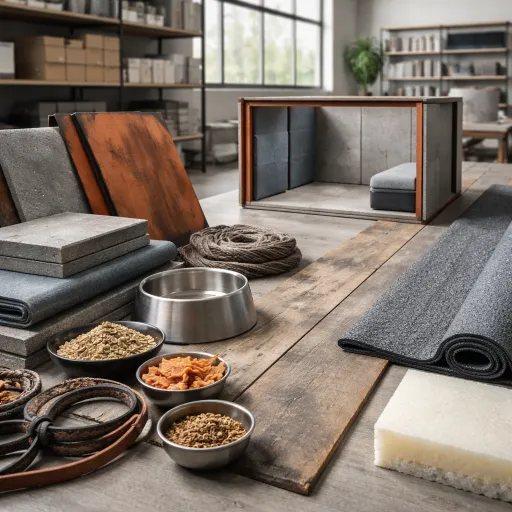
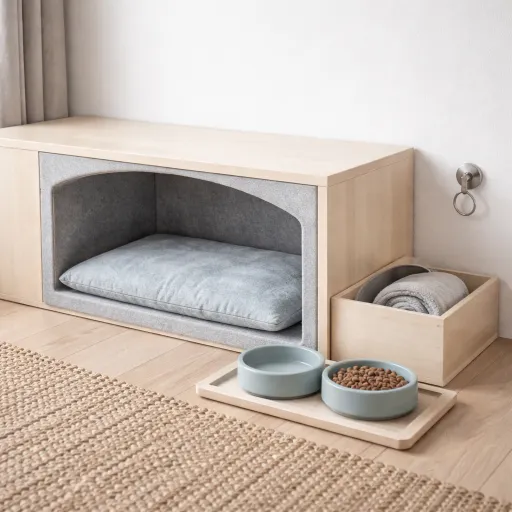
A genuine pet suite is specified for the animal, not adapted after the fact: durable surfaces, a feeding station that is not the bathroom floor, storage for a crate, and bedding that belongs to the room rather than being fetched from a cupboard. Those fittings are catalogued in the fittings we look for, and the wider renovation programmes behind them in how properties are being rebuilt and the technology going into rooms.
From the floor plan to the booking
Design quality is a good predictor of how seriously a property takes the rest of its pet programme — the services it staffs, and the weight limits and breed restrictions it is willing to relax. To see the properties that get both right, start with our pick of pet-friendly destinations or the France hub, and read what the services actually deliver under hotel pet services.
Find the perfect place to stay
Our selection of top-rated stays
Compare prices
Thousands of stays
Free cancellation on many properties
Explore our picks
Affiliate link · we earn a commission, at no extra cost to you