How pet friendly hotel design welcome begins at the front door
The design language of a genuinely pet-focused hotel welcome starts before you even reach the front desk. A truly pet friendly hotel signals to every pet and every human that “pets welcome” is more than a policy line, using water bowls at dog height, low sightlines, and relaxed staff posture to calm dogs after travel. Dogs observe posture, eye contact, and gestures to understand human intentions, so the lobby choreography matters as much as the marble.
At Hotel Teatro in Denver, dogs are listed as Very Important Pets on a lobby chalkboard, turning a simple check-in into a shared experience that reassures nervous pet owners (Hotel Teatro, Denver, pet program, accessed 2024). The Mark Hotel in New York hands over a Woof Woof Kit at arrival, and that luxury dog amenity box — with a designer bed, water bowl, and treats — tells every hotel pet and hotel dog that this is their stay too (The Mark Hotel, New York, pet amenities, accessed 2024). When you check availability at any luxury hotel, ask where the water bowls sit, how staff are trained to greet dogs, and whether there are clear signs that pet friendly thinking is embedded in the lobby design rather than taped on as a rule sheet.
Body language completes the welcome script in these pet friendly hotels. Calm, open stances from the front office team help each dog-friendly arrival decompress, while avoiding direct staring keeps anxious dogs from feeling challenged. A 2018 review in the journal Animals by Wanser and Udell (Dog–Human Social Interaction: An Updated Review, Animals, 2018, 8(8), 143, doi:10.3390/ani8080143) noted that dogs are more relaxed around humans who use soft voices and avert prolonged eye contact, which supports what many hoteliers already practice. In a crowded Seattle lobby or a quieter countryside hotel, that subtle choreography can turn a standard hotel stay into the best pet arrival your animal has ever had.
Materials, corridors, and rooms that quietly say pets welcome
Once you pass reception, the corridor and room materials reveal whether pet friendly hotel design was planned or retrofitted. In a purpose-built pet friendly hotel, you will notice hard-wearing tile or sealed wood in high-traffic corridors, with rugs layered only where they will not trap fur or odors from multiple dogs. That choice protects the hotel and the pets while allowing a luxury experience that still feels soft under human feet.
Thoughtful hotel pet policies often sit behind these design decisions, balancing pet fees with investment in durable fabrics and wipeable wall finishes in pet friendly rooms. Industry surveys in North America suggest typical pet fees range from about $25 to $75 per night, with some luxury properties charging a one-time deep-cleaning fee instead (American Hotel & Lodging Association, lodging survey highlights, 2022). A luxury pet suite might feature stain-resistant upholstery, raised dog beds that keep hotel dog guests off delicate sofas, and discreet storage for leashes and dog walking gear near the door. When you check availability for pet rooms, ask whether the property has dedicated pet floors or simply allows pets in any rooms, because the former usually means the design and decor were specified with four-legged guests in mind.
Architecture matters too, especially for dog friendly circulation. Ground floor exits near pet friendly rooms shorten late-night dog walking routes, while internal courtyards give dogs safe outdoor views and fresh air without crossing a car park. A 2021 snapshot of upscale and luxury hotels in the U.S. found that only a minority offered dedicated dog-wash stations or pet relief areas, but those that did reported higher repeat bookings from pet owners (internal benchmarking reports cited by major hotel groups, 2021). For a deeper look at how premium properties evolve from kennel thinking to concierge-level care, the design analysis in this piece on the design arc of premium pet hospitality helps you read between the lines of hotel chains’ marketing language.
Welcome kits, pet amenities, and the message behind the box
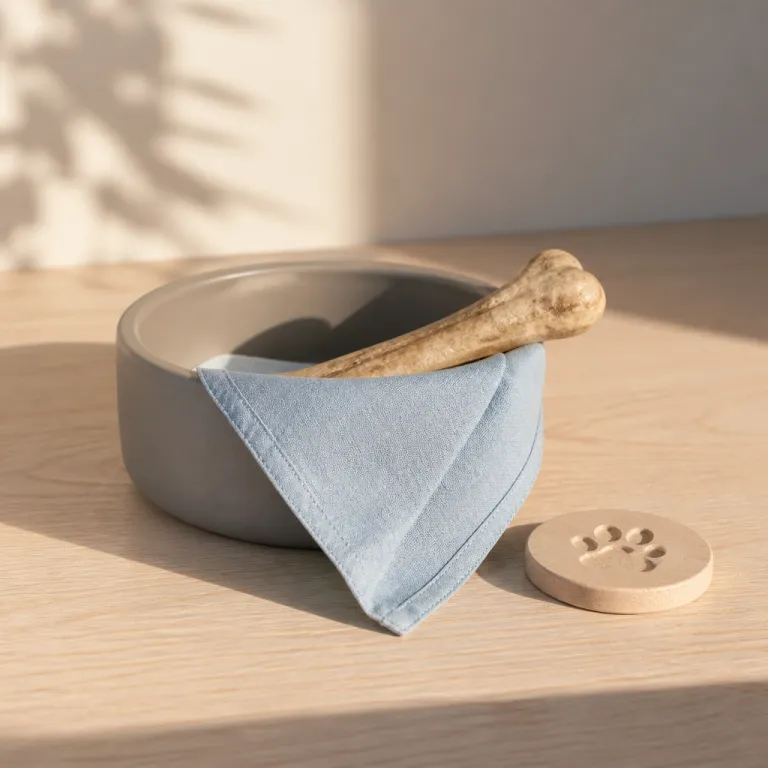
In the best pet-focused properties, the welcome kit is not a gimmick but a design statement about how far a pet friendly hotel welcome truly goes. The Mark Hotel’s Woof Woof Kit, for example, pairs a designer dog bed with a coordinated water bowl and treats, aligning pet amenities with the overall decor rather than treating dogs as an afterthought. That visual coherence tells pet owners that their pets’ welcome status is equal to any human guest’s comfort.
Some luxury hotel teams partner with local suppliers to deepen that message, as Alderbrook Resort does through its collaboration with Mud Bay for in-room pet amenities (Alderbrook Resort & Spa, pet program, accessed 2024). When a pet friendly hotel sources dog treats, toys, and grooming products from a local brand, it connects your pet to the surrounding community and turns a simple room into a small ecosystem of experience-rich touches. Those details matter more than a generic pet fees line on your bill, because they show that the hotel pet program has been curated, not just costed.
Look for welcome kits that include practical items as well as indulgent ones, such as collapsible bowls for dog walking excursions, biodegradable waste bags, and a printed map of nearby dog friendly parks. Properties that think this way often extend the same philosophy into shared spaces, creating pet wellness corners or even a dedicated pet wellness room that goes beyond a yoga mat cliché, as explored in this analysis of the pet wellness room concept. When you check availability, ask what is actually in the kit, because the contents quietly reveal whether you are booking a true luxury pet experience or a token gesture.
Reading policies, fees, and breed restrictions through a design lens
Policy pages rarely mention design, yet the way a hotel handles pet fees and breed restrictions often shows up in the physical space. A property that charges high pet fees but offers no dog washing station, no durable flooring in pet rooms, and no clear outdoor routes is signaling that “pets welcome” is more tolerated than embraced. By contrast, a dog friendly address that invests in outdoor rinse areas, lobby towels, and clear signage usually treats any hotel pet surcharge as funding for real amenities.
When you browse availability on a platform such as Expedia, do more than filter for pet friendly hotels and move on. Click through to photos of rooms and corridors, then cross-check availability Expedia results with the hotel’s own gallery to see whether pet rooms look identical to standard rooms or show thoughtful adjustments. You want to see evidence that the friendly hotels you are considering have integrated pet friendly design into the layout, not just into the terms and conditions.
Kimpton properties are often cited by pet owners for their relaxed policies, yet even within that brand, the design execution varies from city to city (Kimpton Hotels & Restaurants, pet policy overview, accessed 2024). In Seattle, for example, some Kimpton hotels weave dog beds and bowls into the room decor, while others rely more on portable amenities that staff bring up on request. Kimpton has publicly highlighted its “Pets Stay Free” approach since the late 1980s, but the on-the-ground details still depend on each building. Ask directly about any breed restrictions, floor limitations, or hotel chains’ rules that might affect your stay, because transparent answers usually correlate with a more coherent design and a better experience for both humans and dogs.
How to audit a pet friendly room before you book
For travelers who extend business trips into leisure, the smartest move is to audit the design of any pet friendly room before committing. Start by asking for the exact room type where pets are allowed, then request photos that show flooring, furniture legs, and access to outdoor areas, because these details shape your daily routine. A well-planned hotel dog room will have easy-to-clean surfaces, protected corners, and enough space for both a dog bed and a work setup.
Pay attention to views and circulation when you check availability, especially in urban hotels where dogs may be more easily overstimulated. Rooms that face quieter courtyards or side streets can reduce barking triggers, while proximity to elevators and ground floor exits shortens late-night dog walking loops. In Seattle or any dense city, that combination of calm views and efficient routes can turn a standard pet friendly hotel into the best base for a productive yet relaxed stay.
Finally, look beyond individual hotels to how different hotel chains express pet friendly design across their portfolios. Some brands treat every hotel pet as a VIP, with consistent decor cues and staff training, while others leave execution to each property, creating wide variation in how dogs and other pets experience the space. For a curated list of properties where “pets welcome” is backed by serious design thinking and on-the-ground amenities, explore the insider reviews on this guide to pet friendly hotels with meaningful pet amenities before you make your final choice.
FAQ
How do dogs interpret human body language in hotel spaces ?
Dogs interpret human body language in hotel spaces by watching posture, eye contact, and gestures from staff and guests. Calm, open stances and relaxed movements help each dog feel safe in a new lobby or corridor. This is why consistent, calm body language from the team is as important as any decor choice.
Why does the lobby design matter so much for a pet friendly stay ?
The lobby is the first place where a dog decides whether a hotel feels safe. Water bowls at dog height, non-slip flooring, and staff who avoid direct staring all help anxious pets decompress after travel. When those elements are missing, even a luxury hotel can feel hostile to dogs and other pets.
What should I look for in a pet friendly room layout ?
Focus on flooring, circulation, and access to the outdoors when you review room photos. Hard surfaces such as tile or sealed wood are easier to clean, while clear paths to the door make late-night dog walking simpler. Extra space for a dog bed and bowls ensures your pet does not compete with your luggage or work area.
How can I tell if pet fees are justified by real amenities ?
Compare the stated pet fees with the visible amenities in photos and descriptions. Look for welcome kits, dog washing stations, outdoor relief areas, and durable finishes in pet rooms that show where your money goes. If you only see a policy line and no design response, the surcharge is likely more about risk than hospitality.
Do breed restrictions affect the design of pet friendly hotels ?
Breed restrictions often reflect risk management rather than design, but they can hint at a hotel’s overall attitude toward pets. Properties that welcome a wide range of dogs usually invest more in robust materials, clear circulation routes, and staff training. Those design choices make the space safer and more comfortable for every pet and every guest.