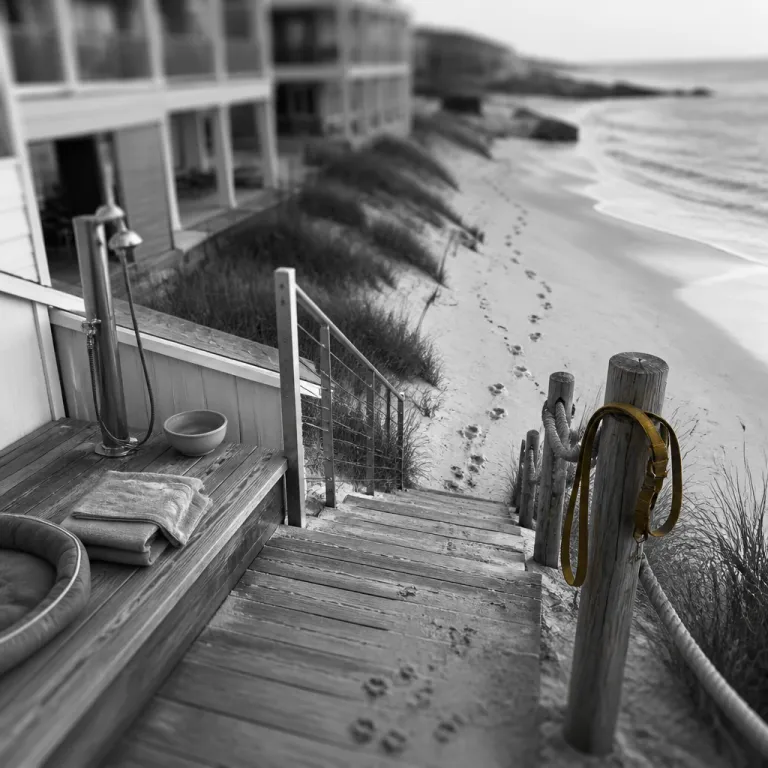
Why a pet-friendly beach hotel is not just any coastal stay
A genuinely pet friendly beach hotel reshapes the entire coastal experience. When a property claims to be a pet friendly beach hotel, you should expect more than a token dog bed and a polite smile at check in. The best pet friendly beach hotel options weave your pet into the design, the service and the shoreline access from the first step.
Across luxury hotels and relaxed resorts, the promise sounds similar yet the reality varies sharply. Many friendly hotels advertise ocean view rooms and sandy paths, but only a fraction of these hotels’ pet policies translate into practical, friendly accommodations where pets are truly allowed on the beach. Industry data from the American Hotel & Lodging Association indicates that roughly half of all hotels worldwide accept at least one pet per room, yet only a smaller share combine that with direct, legal access to friendly beaches where a pet dog can actually play. According to the AHLA’s Lodging Industry Trends and State of the Hotel Industry briefs (2022–2024), pet acceptance is rising, but beach access remains governed mainly by local ordinances rather than hotel preference.
For couples planning a romantic escape, the gap between marketing and reality matters. You might book a view hotel that highlights a sweeping sea view, only to learn on arrival that pets are banned from the sand and confined to a small corner near the parking center. A credible pet friendly beach hotel will state clearly where pets are allowed, what fee or fees apply, and whether the shoreline in front of the hotel is dog friendly all day or only at restricted hours.
Design and layout are the first clues that a hotel or resort understands the coastal pet equation. Look for outdoor rinse stations near every beach exit, sand trap entry vestibules and corridors finished with washable surfaces that can handle wet paws. When these details are missing, the cleaning burden rises, the pet fee often climbs, and the relationship between guests, pets and staff can quickly feel strained rather than genuinely friendly.
Luxury coastal resorts that take pets seriously usually integrate them into the main content of the stay rather than treating them as an afterthought. You will see water bowls near the bar terrace, shaded relief spots along the path to the beach and clear signage that helps guests avoid confusion about where pets are welcome. When a pet friendly beach hotel gets these basics right, couples can relax into the rhythm of the sea while their dog settles into the property as confidently as any human guest.
Design that actually works: sand, salt and pet focused layouts
On a beach, design decisions either support pets or work against them. A thoughtful pet friendly beach hotel anticipates sand, saltwater and wet fur, then builds corridors, terraces and rooms that can handle that daily cycle. When you tour photos of hotels online, look for exterior showers, hose points and discreet rinse stations that allow you to wash a pet dog before reentering the building.
Hotel Cape Charles on Virginia’s Eastern Shore is a strong example of how design and policy align. All breeds are allowed, and the team treats local beach access guidance as a core service, explaining which friendly beaches are open at sunrise and where dogs must remain on leash. The layout channels guests from sand to outdoor taps, then into tiled hallways that trap grit before it reaches the rooms, which keeps cleaning efficient and helps the hotel maintain a reasonable pet fee instead of punitive fees. In practice, that can mean a flat charge in the region of $50–$100 per stay rather than a per-night surcharge that quickly escalates.
On the Pacific coast, Sanctuary Beach Resort in Marina, California, stretches across roughly 19 acres of dunes and shoreline. Here, dogs are welcomed as named guests, and the resort spa, restaurant and bar terraces are configured so pets can rest near their owners without blocking circulation. Paths from suites to the beach pass several rinse points, and the resort’s friendly accommodations include durable fabrics, elevated dog friendly beds and easy to mop flooring that stands up to salt and sand.
In more urban coastal settings, design has to work harder. At Pasea Hotel and Spa in Huntington Beach, the team added an off leash dog park as a beach alternative for days when the sand is too hot or the surf too rough for pets. This kind of layered design thinking separates a generic hotel from a truly pet friendly beach hotel, because it recognises that pets, like people, need options and shade as much as they need a sea view.
Couples who care about aesthetics should not have to sacrifice design for practicality. When you evaluate friendly hotels, pay attention to how the fitness center, pool deck and lobby connect to outdoor areas where pets are allowed to pass comfortably. For more inspiration on design led, dog friendly stays beyond the coast, explore this guide to elegant pet friendly hotels in Sedona for red rock escapes with your dog on pet-friendly-stay.com, then apply the same critical eye to any resort that claims to be both stylish and pet friendly by the sea.
Beach access reality: when pet friendly stops at the boardwalk
Many couples book a pet friendly beach hotel assuming that “pet friendly” automatically means “beach access included”. Coastal regulations rarely work that simply, and a hotel’s marketing language often glosses over the fine print that governs where pets are allowed. Before you commit to any hotel or resort, you need to separate the property’s internal pet policy from the external beach rules that may be set by the city or state.
Some hotels sit directly on friendly beaches where dogs can roam at almost any hour, while others face stretches of sand that ban pets entirely during the day. Sanctuary Beach Resort benefits from a relatively flexible shoreline, but even there, staff brief guests carefully on leash rules and wildlife protection zones. Hotel Cape Charles, by contrast, leans heavily on its concierge style service to guide guests toward specific dog friendly sections of the Chesapeake Bay, because not every nearby stretch of sand welcomes pets.
In Texas, the situation varies dramatically between destinations such as Corpus Christi, Galveston and South Padre Island. A couple might book hotels in Corpus Christi expecting to walk straight from a view hotel lobby to the surf with their dog, only to find that pets are restricted to certain access points or times. When browsing hotels Texas wide, always check whether the pet friendly label refers to the hotel building only or to the adjacent beach as well, because the difference will shape your daily routine.
Urban waterfronts add another layer of complexity. In places like San Diego or the San Antonio River Walk area, a hotel may market itself as dog friendly because pets are allowed in rooms and on some terraces, yet the nearest legal off leash sand patch might be a drive away. This is where a detailed, honest guide such as the three hour rule for pet road trippers on pet-friendly-stay.com becomes useful, helping you plan realistic driving hops between genuinely pet friendly coastal zones rather than relying on vague promises.
When you read the main content on a hotel website, look for explicit language about where pets can go, not just generic pet friendly icons. If the property glosses over whether pets are allowed on the sand, assume that access is limited and contact the hotel directly to clarify any fee, cleaning policy or time restriction. A trustworthy pet friendly beach hotel will answer quickly, explain any fees in detail and help you avoid misunderstandings long before you arrive with a restless dog in the back seat.
Cleaning, costs and the real price of sand in pet rooms
Sand is the quiet force that tests every pet friendly beach hotel promise. It clings to paws, hides in fur and grinds into fabrics, turning each pet room turnover into a more complex operation than at inland hotels. When you understand that reality, the pet fee on your folio starts to look less like a penalty and more like a contribution to a very real cleaning effort.
Housekeeping teams in coastal resorts often need extra time and tools to restore rooms after a beach day with pets. Sand works its way into upholstery, air vents and even the tiny tracks of balcony doors, while saltwater leaves mineral traces on floors and textiles. To keep standards high, many hotels invest in stronger vacuums, washable slipcovers and additional staff hours, which is why a pet friendly beach hotel may charge higher fees than a city property that never sees a grain of sand. Internal benchmarking shared in AHLA housekeeping best-practice surveys suggests that pet rooms at coastal properties can require 15–25 % more labour time than standard rooms, especially when carpets and heavy drapes are still in use.
From a guest perspective, the most transparent hotels explain this clearly at booking. They outline what is free, what carries a fee and how those fees support both cleanliness and long term maintenance of shared spaces such as corridors, elevators and the fitness center. When a hotel hides or layers fees, couples understandably feel misled, especially if they arrive to find a room that still bears traces of a previous pet dog despite the surcharge.
Simple design choices can reduce both cleaning time and costs. Properties that install outdoor rinse showers, provide towels specifically for pets and use hard surface flooring in pet friendly rooms often manage to keep fees moderate while maintaining high standards. Guests can help by following two essential coastal guidelines backed by veterinarians and hotel partners alike: bring fresh water for pets and rinse pets after beach visits. The American Veterinary Medical Association notes in its coastal safety guidance that rinsing removes salt, sand and potential irritants that can inflame skin or paws.
For couples, the practical takeaway is straightforward. When comparing one pet friendly beach hotel with another, ask how the property handles sand in pet rooms, how often carpets are deep cleaned and whether any part of the pet fee is used to maintain outdoor relief areas. Hotels that answer confidently and invite you to avoid surprises at checkout usually reflect a deeper culture of respect for both pets and people.
How to read a pet policy: from fitness center access to room service trays
A polished website can make almost any hotel sound like the best option for your dog. The real test lies in the fine print of the pet policy and how that policy plays out across restaurants, bars, pools and shared spaces. When you evaluate a pet friendly beach hotel, treat the policy as a map of where your pet can actually move, rest and join you during the day.
Start with the basics: maximum number of pets, weight limits, fees per night and any cleaning surcharge. Then look for details about where pets are allowed within the property, including whether they can pass through the lobby, sit with you on the bar terrace or accompany you to certain outdoor dining tables. Some family hotels permit pets only in ground floor rooms near side exits, while more progressive resorts integrate pets into the heart of the property, with clear routes past the fitness center, pool deck and spa reception.
Room service is another revealing indicator. A hotel that offers a small pet menu, bowls and perhaps a discreet mat for food and water is signalling that pets are part of the guest profile, not an afterthought. In contrast, a property that bans pets from all food and beverage zones, including outdoor terraces, may technically be pet friendly but will feel restrictive for couples who want long, lazy breakfasts with their dog at their feet.
Accessibility language on the website can also hint at how easy it will be to navigate with a pet dog. If the main content includes clear instructions on how to avoid main staircases, use elevators and reach outdoor relief areas without crossing busy dining rooms, the hotel has probably walked the route themselves. When that information is missing, you may find yourself improvising awkward paths through crowded spaces with a sandy, excited dog on the leash.
Finally, pay attention to tone. Hotels that speak about pets as valued guests, explain why certain areas are off limits and offer alternatives such as shaded lawns or nearby dog friendly cafés tend to deliver a more relaxed experience. A truly premium pet friendly beach hotel balances hygiene, safety and comfort without making you feel that your dog is merely tolerated, and that balance usually shows up clearly in the wording of the pet policy long before you arrive.
Top coastal destinations where design, dogs and details align
Some coastal regions have quietly become laboratories for the next generation of pet friendly beach hotel experiences. Along the Gulf and Atlantic coasts, independent hotels and larger resorts are experimenting with rinse stations, pet lounges and curated walking maps that highlight both friendly beaches and shaded inland trails. Couples who choose these destinations often find that the entire local ecosystem, from cafés to pet supply stores, supports a relaxed, dog friendly rhythm.
Texas offers a particularly instructive mix of successes and near misses. In Corpus Christi, several waterfront hotels Texas wide now market themselves as pet friendly, yet only a subset combine direct beach access with thoughtful design and transparent fees. Look for a view hotel that pairs Gulf views with outdoor showers, clear signage about where pets are allowed and a staff culture that treats your dog as part of the guest list rather than a complication.
Further inland, Austin has emerged as a reference point for urban pet culture, and its hospitality scene influences coastal properties across the state. While a hotel Austin address does not put you on the sand, brands such as Austin Proper and the Proper Hotel group have helped define what elevated, dog friendly service can look like. Couples who appreciate that blend of design and warmth often seek similar standards when they head to the coast, asking whether a resort spa welcomes pets on outdoor decks or whether the bar terrace offers shaded spots and water bowls.
Elsewhere in Texas, cities such as San Antonio show how riverfront walks and parks can complement coastal stays. A couple might split a trip between a pet friendly beach hotel on the Gulf and a dog friendly property near the San Antonio River Walk, using both stays to benchmark how different hotels handle outdoor access, room layouts and pet fees. Over time, these comparisons help travellers identify which friendly hotels and resorts are genuinely investing in pet experiences and which are simply following a trend.
Across these destinations, one pattern stands out. Properties that collaborate with local veterinarians and pet services, share up to date information on beach regulations and invest in durable, washable materials tend to deliver the most consistent stays. When you find a pet friendly beach hotel that combines thoughtful design, honest communication and a setting where both people and pets can breathe, you have located the kind of place that justifies a return visit and a longer stay.
Reading between the lines: choosing the right pet friendly beach hotel for couples
For couples, the goal is simple: a coastal escape where the romance of the sea and the comfort of your dog coexist without friction. Achieving that balance means reading beyond glossy photos and learning to decode how each pet friendly beach hotel handles sand, salt and shared spaces. When you approach the search with a few sharp questions, the right properties quickly rise to the top.
Begin by filtering for hotels and resorts that clearly label specific pet friendly room categories rather than treating all inventory as identical. Ask whether pets are allowed on balconies, whether there is a nearby lawn or relief area and how far you must walk to reach any officially dog friendly stretch of sand. A hotel that answers these questions with precise distances in metres, realistic walking times and clear notes on any fee or seasonal restriction is usually one that has tested the route themselves.
Next, evaluate the wider experience. Does the property offer a modest but thoughtful level of room service that allows you to dine privately with your dog after a long beach day, or will you be forced into crowded restaurants where pets are not allowed? Are there quiet corners near the bar or pool where couples can linger with a glass of wine while their dog naps at their feet, or is every public space either off limits or too hectic for a relaxed evening?
Finally, consider how the hotel talks about responsibility. Trustworthy properties acknowledge that sand can irritate skin and cause digestive issues if ingested, that ingestion of saltwater can lead to vomiting and diarrhea, and that local regulations determine when and where dogs can use the beach. When a pet friendly beach hotel weaves this kind of practical guidance into its main content, it signals a deeper commitment to pet welfare and guest comfort rather than a superficial marketing label. The AVMA’s pet travel and beach safety resources echo this approach, emphasising hydration, shade and post-swim rinses as non-negotiable basics.
If you want a curated starting point, explore the honest pet hotel guide to coastal getaways for couples on pet-friendly-stay.com, which highlights properties where design, policy and shoreline access align. Use that benchmark as you compare other hotels Texas wide, from Corpus Christi to Austin and San Antonio, and you will quickly learn to avoid major disappointments. In the end, the right pet friendly beach hotel is the one where the staff greet your dog by name, the sand stays mostly outside your room and the only surprise is how quickly you start planning your return.
Key figures shaping pet friendly beach hotels
- A recent global hotel industry report indicates that approximately 50 % of hotels now allow at least one pet per room, yet only a subset of these properties combine that policy with direct, legal access to nearby beaches for dogs. This figure aligns with pet acceptance data summarised in the American Hotel & Lodging Association’s Lodging Industry Trends series.
- Coastal properties that invest in outdoor rinse stations and washable surfaces often report lower long term maintenance costs per pet room compared with similar hotels that rely on traditional carpeting and fabrics in high sand exposure zones. AHLA housekeeping case studies note that hard flooring and slipcovers can cut deep cleaning frequency by several cycles per year.
- Destinations with clearly signposted dog friendly beaches tend to see higher repeat visitation from pet owning couples, as consistent regulations reduce friction between guests, locals and hotel staff. Local tourism boards along the Gulf Coast and in parts of California have documented this pattern in visitor satisfaction surveys.
- Resorts that partner with local veterinarians and pet supply stores frequently expand their range of pet amenities over time, from basic bowls to curated welcome kits that include coastal safe toys and skin friendly shampoos. These collaborations often draw on American Veterinary Medical Association recommendations for sun, heat and saltwater exposure.
- Industry observers note a steady rise in pet inclusive travel services, including dedicated pet concierges and curated walking maps, which are increasingly common at upper upscale and luxury coastal resorts. Trade publications covering the AHLA and Boutique & Lifestyle Leaders Association have highlighted this as a long term shift rather than a passing trend.
FAQ about pet friendly beach hotels
How does sand affect dogs during a beach hotel stay ?
Sand can irritate skin and cause digestive issues if ingested. At a pet friendly beach hotel, rinsing your dog after each beach session and providing a towelled rest spot reduces irritation, while keeping an eye on how much sand your pet licks from paws or fur.
Is saltwater safe for pets at the beach ?
Ingestion can lead to vomiting and diarrhea; rinse pets after exposure. Most pet friendly beach hotels now provide fresh water stations and encourage guests to offer frequent drinks, which helps reduce the temptation for dogs to gulp seawater while playing in the surf.
Are all beaches near pet friendly hotels actually open to dogs ?
No, check local regulations before visiting. A hotel may be fully pet friendly inside yet sit beside a stretch of sand that bans dogs during peak daylight hours, so always ask the front desk for an up to date map of dog friendly access points and seasonal rules.
What should I look for in a pet fee at a beach hotel ?
Transparent pet fees usually reflect the extra cleaning required to manage sand, fur and occasional accidents in rooms and corridors. Look for a clear nightly or stay based fee, an explanation of what it covers and any conditions under which additional charges might apply.
How can I tell if a beach hotel is truly dog friendly or just tolerant ?
Genuinely dog friendly properties welcome pets in specific outdoor dining areas, provide rinse stations and share detailed guidance on local walks and beaches. If a hotel simply allows pets in rooms with high fees and many restrictions elsewhere, your dog may feel more tolerated than embraced.
References
- American Hotel & Lodging Association – Lodging Industry Trends, State of the Hotel Industry and housekeeping best-practice reports on pet friendly accommodation.
- American Veterinary Medical Association – pet travel, heat safety and coastal environment guidance for dogs and other companion animals.
- U.S. National Park Service and local coastal authorities – regulations on dogs at beaches, including leash rules, wildlife protection zones and seasonal access restrictions.