Why midsummer heat changes the rules for pet hotel stays
When the summer heat settles over American cities and coasts, even short walks can challenge dogs that usually breeze through cooler seasons. Luxury hotels that take hot-weather pet safety seriously redesign daily rhythms so animals stay cool while guests still enjoy the destination, because high temperatures and high humidity change how a dog’s body manages stress. For families traveling with children and pets, the smartest choice is a property that treats pet health and overall safety as non negotiable, not as a seasonal afterthought.
Heat affects pets differently from humans, since a dog’s body temperature rises faster and they rely on panting cool air rather than efficient sweating. When the outdoor air is hot and sticky, heavy panting moves less heat away from the body, which raises the risk of heat exhaustion and full heat stroke during even modest activity. Veterinary groups such as the American Veterinary Medical Association note that dogs can overheat in minutes when the heat index is high, and the best hotels understand that summer heat and high humidity can turn a routine stroll into a high risk scenario, especially for brachycephalic dogs whose air passages are already compromised.
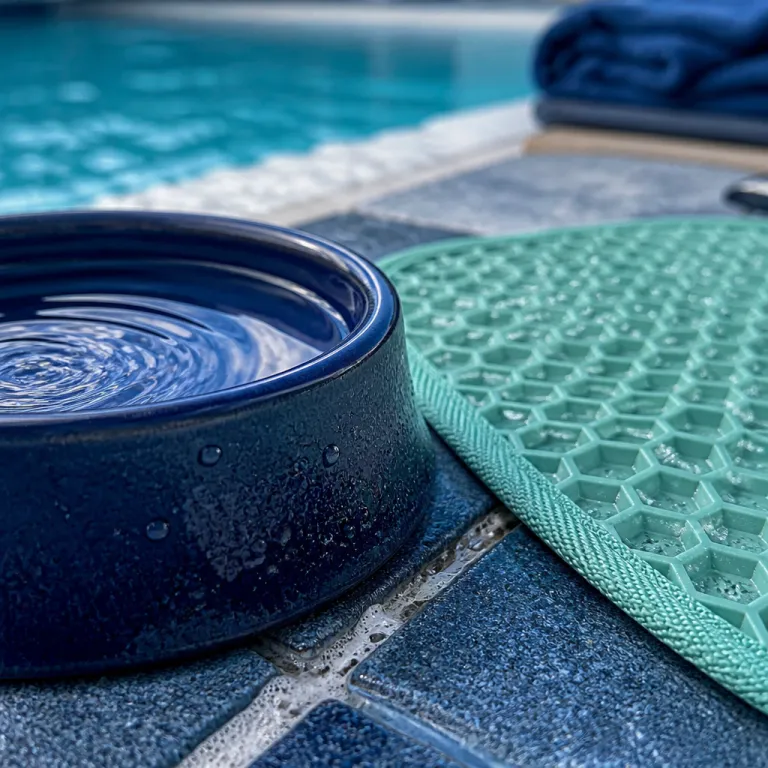
Premium properties now invest in shaded outdoor relief zones, indoor play spaces and constant access to fresh water so they can keep pets genuinely comfortable. At many modern pet friendly hotels, gated dog parks sit beside seasonal pools or splash pads, which allows guests to time play sessions for cooler parts of the day and retreat quickly when temperatures spike. Upscale chains and independent addresses alike pair air conditioning with pet cooling amenities such as gel mats, elevated beds, cool water bowls and chilled towels, and brands like Kimpton and Loews Hotels publicly describe pet programs that include summer safety checklists, showing that pet safe design can be as thoughtful as any human focused spa program.
Exclusive pet services that actually work in high temperatures
True luxury for pets in summer starts with timing, not toys, because the hottest hours of the day are when heat sensitive dogs suffer most. High end hotels that understand warm weather pet safety schedule dog walking services only at dawn and after sunset, when the air is cooler and the ground no longer radiates stored heat. Many now offer indoor playrooms with cool air conditioning and non slip flooring, so pets can burn energy without stepping into dangerous outdoor temperatures.
Thoughtful concierges brief families on the asphalt test, explaining that if the pavement burns your hand after five seconds it will also burn dog paws and delicate paw pads. The American Kennel Club highlights that asphalt can reach 125°F when the air temperature is only 77°F, and over 140°F on very hot days, hot enough to cause burns in under a minute. These teams provide route cards that prioritize shaded streets, grass over concrete and quick access back to the lobby, where bowls of fresh water and cool water wait beside towels for wiping a hot dog down. Some properties even keep cold water spritzers and cooling vests on hand, helping to keep pets cool and to lower body temperature gradually when a dog returns from a necessary outdoor bathroom break.
Breed specific care is where exclusive pet services really earn their premium label, especially for flat faced dogs that face a higher risk profile in extreme heat. Staff trained in pet health watch for heavy panting, glassy eyes and wobbling, and they know when to call a local vet partner rather than simply offering more water. As veterinary groups such as the American Veterinary Medical Association and the American Kennel Club note, early signs of heat stress can progress quickly to collapse and seizures, so travelers seeking deeply pet centered stays should prioritize hotels where the pet program is designed around summer realities, not just marketing copy.
Reading the property: shade, surfaces and emergency readiness
Before you book, hot weather pet hotel safety starts with reading photos and floor plans as carefully as you would a kids club brochure. Look for wide canopies, mature trees and covered walkways, because shade is the first line of defense when temperatures and humidity soar together. A property that shows only sun blasted terraces and a single outdoor strip of gravel is quietly telling you that pets will struggle to stay cool during peak heat.
Surfaces matter more than many guests realise, since air temperature can feel tolerable while asphalt and stone run dangerously hot. The American Kennel Club’s hot weather guidance notes that concrete and sand can also become hot enough to injure paws, even when the air feels merely warm. Ask the hotel where dogs are expected to relieve themselves and whether there is grass, mulch or another paw friendly option that will not scorch dog paws or fragile paw pads. If the answer is a bare parking lot or a rooftop without shade or cool water access, that is a red flag for both pet health and overall safety during a midsummer stay.
Emergency readiness is the final filter, and it separates pet tolerant hotels from genuinely pet focused ones. When you ask detailed questions that nobody thinks to ask, such as whether the front desk keeps the number of a 24 hour vet and a written protocol for suspected heat stroke, you quickly see who has done the work. A robust protocol usually includes moving the dog immediately to air conditioning or shade, offering small amounts of cool water, applying cool wet towels to the neck, armpits and groin, and arranging rapid transport to a veterinary clinic if symptoms persist. Use structured checklists from trusted pet travel resources to guide that conversation, then confirm that staff know how to keep pets safe by moving them to air conditioning, offering cool water and arranging rapid medical support if body temperature climbs too high.
How to work with the hotel to keep pets safe in peak heat
Once you arrive, warm weather pet hotel safety becomes a shared project between your family and the hotel team. Start by setting a routine that keeps outdoor time to short, shaded bathroom breaks at midday and longer walks only at dawn and late evening, when the air is cooler and humidity often drops. Inside, use the room’s air conditioning to maintain a stable temperature, and leave the system on whenever your pet stays behind with children or another adult.
Hydration is your second pillar, because water is the simplest way to help a dog regulate body temperature when the weather turns hot. Keep a collapsible bowl in your day bag, refill it with fresh water or cool water from hotel stations and offer small amounts often rather than a single large drink of cold water after intense panting. Many premium properties now place pet specific hydration points near lobbies and elevators, which makes it easier to keep pets cool without detouring through crowded bars or restaurants.
Finally, agree with staff on what to do if your pet shows signs of heat related distress such as heavy panting, drooling or sudden lethargy. Veterinary organizations including the American Kennel Club and the American Veterinary Medical Association advise moving a dog to shade or air conditioning, offering small amounts of cool (not icy) water and contacting a veterinarian immediately if symptoms worsen. A commonly cited emergency threshold is a rectal temperature of around 104°F or higher, which calls for urgent veterinary care. Ask the hotel to call your mobile if housekeeping notices a dog that seems too hot, and confirm that they know the nearest vet and emergency clinic by name and location. For families planning multiple summer trips, curated resources and in depth hotel reviews can help you choose properties where pet safety protocols are already embedded in daily operations, not improvised when the thermometer climbs.
FAQ
What amenities do pet friendly hotels typically offer in summer ?
Many upscale pet friendly hotels provide pet beds, bowls, treats and designated play areas that are adapted for hot weather. During peak summer heat, the best properties add shaded outdoor zones, indoor playrooms and multiple hydration stations with fresh water for pets. Some also offer cooling mats, pet menus and quick access to air conditioning so staff can help pets cool down after any outdoor activity.
How can I tell if a hotel is truly safe for pets in high temperatures ?
Look for clear information about warm weather pet safety on the hotel website and in pre arrival emails. You want to see mention of shaded relief areas, grass or soft surfaces for dog paws, flexible walk schedules and partnerships with a local vet for emergencies. When you call, staff should confidently explain how they keep pets safe in hot weather, including what they do if they suspect heat stroke in a guest’s dog.
Are there extra fees for bringing pets to luxury hotels ?
Many premium properties charge a pet fee per stay, and industry data shows that an average fee of around 50 USD is common in the United States. Higher end hotels often justify this cost with added services such as welcome amenities, cleaning protocols and access to exclusive pet areas. Always confirm the fee, weight limits and any summer specific rules before you book, especially if you travel with multiple pets.
What should I pack to protect my dog from summer heat during a hotel stay ?
Pack a collapsible bowl, a reusable bottle for cool water, a light reflective leash and a cooling bandana or vest that can help lower body temperature gradually. Add paw balm or protective booties for hot surfaces, plus any medications your vet recommends for your dog’s specific health needs. A small digital thermometer and a list of local veterinary clinics can also support your own safety plan when traveling in very high temperatures.
How can I find hotels that take pet wellness seriously, not just pet access ?
Use travel platforms with pet friendly filters, then cross check results against specialist resources that focus on pet wellness and spa style services. Look for hotels that mention partnerships with local veterinarians, pet wellness programs and seasonal adjustments for summer heat, rather than simply stating that dogs are allowed. Reviews from other pet owners, especially those traveling in midsummer, are often the most reliable indicator that a property truly prioritizes pet health and comfort.
References
Rover pet travel trend reports; American Veterinary Medical Association guidance on heat risks for pets and heatstroke in dogs and cats; American Kennel Club resources on hot weather safety for dogs, including advice on hot pavement and summer walking.