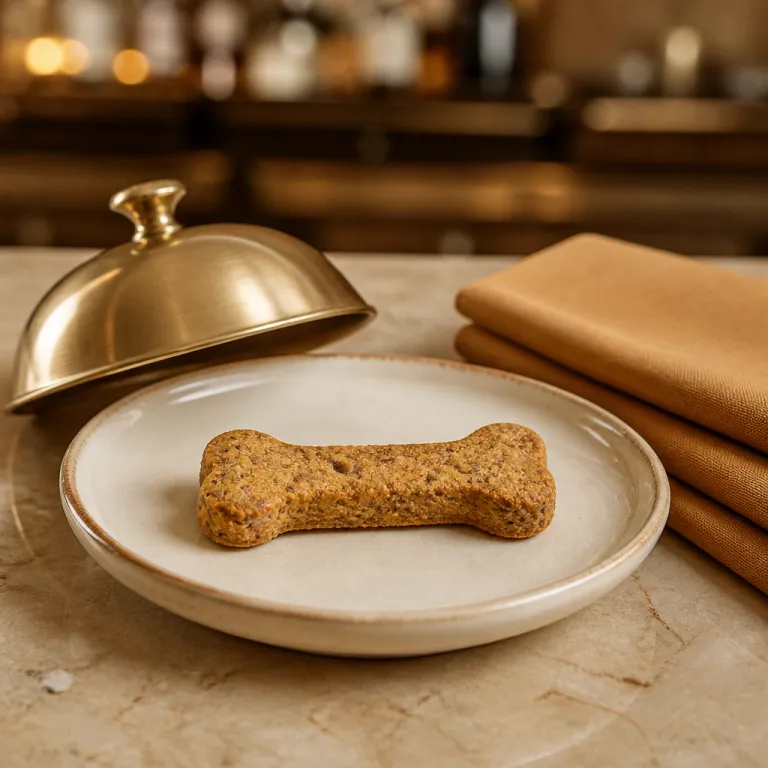
From welcome biscuit to full hotel pet menu room service
Walk into a genuinely pet friendly hotel and the difference is immediate. The team does not just hand over a key and a generic list of pet policies; they talk about your dog by name, ask about routines, and point out where the nearest park sits. That shift from token welcome to tailored care is where a modern in-room pet dining program quietly rewrites expectations for couples traveling with pets.
Early pioneers such as Loews Hotels showed how a national hotel chain could treat pets as true guests. According to the brand, Loews Loves Pets launched in 2000 as one of the first formal, systemwide pet programs in the U.S., including room service for four-legged friends. Their move into dedicated pet amenities, from dog beds to curated menus, proved that a carefully designed service menu for animals could attract loyal repeat guests and generate measurable revenue.
That strategy now aligns with broader travel trends. The American Pet Products Association reports that roughly 70% of U.S. households own a pet, and industry surveys from organizations such as the American Hotel & Lodging Association consistently show rising demand for pet inclusive stays. When a Philadelphia hotel or a coastal resort follows the Loews model today, it is not whimsy; it is a strategic decision to compete for a fast growing segment of travelers who will not book unless their pets are fully included.
Luxury brands now use curated pet menus and dog room service as a differentiator in crowded city markets. A Hilton property or a Canopy by Hilton address that offers dog friendly bar snacks, water bowls on the terrace, and a concise dining menu for pups signals serious investment in training, food safety, and operations. For couples planning a romantic weekend, that means you can linger over cocktails at the hotel bar while your pup relaxes on plush dog beds nearby, instead of rushing back to the room with a takeout box.
How gourmet pet menus reshape the economics of pet friendly stays
Behind the scenes, a thoughtful canine room service offering is a business case, not a cute extra. Culinary teams work with veterinarians to design chicken breast based dishes, balanced food and water ratios, and low sodium treats that justify a modest fee per stay while still feeling generous. A typical menu might list a 4-ounce grilled chicken and rice bowl for small dogs, a 6-ounce portion for medium breeds, and an 8-ounce plate for large pups, each priced in the same range as a casual human entrée.
When done well, these menus turn pets from cost centers into paying guests who share the in-room dining bill with their humans. Chef-led programs often include a few signature items—such as “Pup’s Roast Chicken Plate” with steamed carrots or a “Canine Comfort Stew” of turkey, pumpkin, and brown rice—alongside simple, vet-approved staples. As one executive chef at a luxury city hotel notes, “If we would not serve the ingredients to our own families, we do not serve them to our guests’ dogs.”
Consider how a city hotel near Rittenhouse Square might structure its offer. The bar could feature a short service menu for dogs, offering grilled chicken, rice, and vegetables, while the main restaurant extends room service to pets with a separate dining card that mirrors human comfort food. Couples order a steak for two, add a pup friendly chicken dish, and suddenly the average in-room dining check climbs without feeling forced or opportunistic.
Premium pet friendly hotels also see long term value in loyalty and word of mouth. Guests who experience seamless dog walking support, thoughtful bedding and food options, and attentive treat moments at arrival tend to return and recommend the property widely. For a Hilton flag in a competitive downtown city, or a Loews address in a resort market, that repeat business often outweighs any incremental cleaning fee per stay associated with welcoming pets into every room.
Five star pet friendly hotel experiences show that when pet perks are integrated into the overall F&B strategy, they support both guest satisfaction and revenue. A hotel that treats the pet dining program as a serious profit center, rather than a marketing gimmick, usually invests in staff training and consistent quality control. That is where the economics and the emotional value finally align for discerning couples traveling with dogs.
Room service for dogs and the in room experience for couples
Once a hotel offers true room service for dogs, the energy inside the room changes for both humans and pets. Instead of sneaking supermarket food into bowls on the bathroom floor, couples can order a curated dining menu for their pup alongside their own late night in-room dining. The result feels more like a shared evening ritual than a compromise forced by basic pet friendly rules.
Thoughtful properties design the room itself around this experience. Elevated dog beds sit near the window, water bowls and food bowls are placed on easy to clean mats, and a small card lists the pet menu options with clear portion sizes for different pets. A sample card might suggest half portions for dogs under 20 pounds, full portions for medium breeds, and double servings for large companions, with guidance to adjust based on your veterinarian’s advice.
When staff deliver the tray, they often include extra treats, a quick check on any dog walking needs, and a quiet reminder about nearby park access for a final stroll. As one small-animal veterinarian who consults with urban hotels explains, “The best pet room service menus are simple, clearly labeled, and avoid heavy seasoning. Dogs care more about freshness and routine than elaborate recipes.”
For couples, this level of care removes friction from the stay. You can linger in bed on a rainy morning while your pup enjoys warm chicken breast and rice from room service, instead of rushing outside in search of a café that tolerates dogs. When the same hotel also offers on-request dog walking or can recommend trusted walkers, the entire stay becomes more flexible, allowing you to enjoy the spa or a long dinner at the hotel bar without worrying about your four-legged friends waiting anxiously in the room.
Properties that treat pet perks as part of their core promise often partner with specialized platforms to refine the experience. Premium pet hotel booking resources help travelers identify where room service for pets is more than a line on a website. When you see detailed descriptions of bedding and food choices, clear information about any fee per stay, and honest photos of rooms featuring dog beds and bowls, you can book with confidence.
From feeding a dog to curating a full pet centric stay
There is a clear gap between a hotel that simply feeds your dog and one that curates an entire pet centric journey. In the first case, pet room service might mean a single chicken and rice option buried at the bottom of the human menu. In the second, the hotel bar, lobby, and rooms all work together to create a seamless dog friendly environment where pets are visible, comfortable, and genuinely welcomed.
Take a Philadelphia property near Rittenhouse Square as an example. A hotel that truly embraces pet friendly hospitality will map out shaded walking routes to the park, provide dog walking recommendations, and keep water bowls refreshed at the entrance throughout the day. Inside, the bar might offer a small pet menu featuring chicken breast bites and gentle treats, while room service extends those options for pets who prefer to stay curled up on their beds.
Chains such as Loews Hotels and Four Seasons Hotel St. Louis illustrate how this can scale without losing personality. Their teams use veterinarian input to shape a dining menu that respects canine nutrition, while still feeling indulgent enough for a special occasion stay. Sample offerings can include baked salmon with green beans for sensitive stomachs, or a “Birthday Pupcake” made without chocolate or artificial sweeteners for celebratory weekends.
When couples see that level of detail, from bowls and treats at check in to clear food and water guidance on the service menu, they understand that the hotel views their pets as more than a marketing demographic. “Which hotels offer room service for pets?” and “When did hotels start offering pet room service?” are questions that now appear regularly in trip planning conversations.
According to Loews Hotels, the brand introduced its first formal pet program in 2000, and Four Seasons Hotel St. Louis is frequently cited in travel media as an early adopter of gourmet dog room service. For travelers, the more nuanced question is whether a given city property or resort has moved beyond the basics to create a stay where both humans and pets feel equally considered.
Where genuine hospitality ends and performative pet culture begins
As dedicated pet menus and in-room dog service become more common, the line between sincere hospitality and performative pet culture matters. A hotel bar that offers a thoughtful pet menu, staffed by people who understand canine behavior, feels very different from a lobby that simply stages props for social media. Couples who travel with pets quickly sense whether their dog is truly welcome or merely tolerated for the sake of marketing.
Genuine pet friendly hotels pay attention to the unglamorous details. They train staff to approach nervous pups gently, manage food and water hygiene carefully, and keep dog walking routes safe and well lit around the property. They also communicate any fee per stay transparently, explain cleaning protocols, and ensure that dog beds, bedding, food bowls, and treats are refreshed between guests rather than reused.
Performative properties, by contrast, may advertise dog friendly stays without investing in operations. You might see a pet menu printed on glossy paper at the bar, but find no water bowls outside, no nearby park guidance, and no flexibility in room assignments for guests with pets. In those hotels, room service for animals can feel like an afterthought, disconnected from the rest of the experience and unsupported by real training.
For couples seeking reliable standards, established brands such as Hilton and Canopy by Hilton often provide a baseline of consistency, while independent city addresses can offer highly personalized touches when they commit fully. Curated guides to exclusive pet friendly hotels help filter out the noise by focusing on properties where pets are integrated into design, service, and F&B. The most rewarding stays are those where the pet perks at the hotel bar, the in-room dining menu, and the surrounding neighborhood all work together to make your four-legged friends feel as cherished as you do.
FAQ
How can I tell if a hotel’s pet menu is genuinely thoughtful?
Look for clear descriptions of the pet room service options, including ingredients, portion sizes, and any veterinarian input. A thoughtful property will explain how dishes such as chicken breast and rice are prepared, outline food and water guidance, and mention whether the menu is available both at the bar and through in-room dining. When staff can confidently answer questions about pets with allergies or sensitive stomachs, you are usually in good hands.
Do pet menus usually increase the cost of a stay?
Most pet friendly hotels charge a transparent fee per stay to cover extra cleaning and amenities. The dog dining menu is then priced à la carte, much like human dishes, so you only pay for what your dog actually eats. In many upscale city hotels, main pet entrées fall in the range of a casual lunch plate, while simple add-ons such as biscuits or frozen yogurt treats are priced more modestly.
Couples who value convenience often find that ordering from the service menu is comparable in cost to sourcing similar quality food in the city, especially in downtown locations. For longer stays, it can be worth asking whether the hotel offers a multi-night package that bundles the pet fee per stay with a set number of in-room meals for your dog.
What should I ask before booking a pet friendly room?
Before you reserve, confirm whether the hotel offers full pet room service or only basic bowls and treats at check in. Ask if dog beds, water bowls, and food bowls are provided in the room, and whether there are nearby park options or recommended dog walking services. Clarify any size limits for pets, the exact fee per stay, and whether pets are allowed in the bar or only in designated areas.
Are big brands better than independent hotels for pet dining?
Large brands such as Hilton, Canopy by Hilton, and Loews often provide consistent standards for pet friendly stays, including structured dining menu options and clear policies. Independent city hotels can sometimes offer more personalized touches, such as custom treat moments or tailored walking maps to local parks. The best choice is the property that treats pet room service as part of its core hospitality, rather than a marketing add on.
Can my dog join me at the hotel bar while eating from the pet menu?
Policies vary by city and by property, but many pet friendly hotels now allow well behaved dogs to sit with their owners in designated bar or lounge areas. When a hotel bar promotes a dedicated pet menu, it usually provides water bowls, space for dog beds, and clear guidance on where pets may relax. Always confirm in advance, especially in historic downtown districts where local regulations can affect where pets are permitted indoors.