From pet bed tokenism to true pet wellness hotel rooms
A genuine pet wellness hotel room starts where the token dog bed ends. In the luxury segment, the best hotels design suites where the pet, the couple and the space move together in a calm, health focused rhythm. A simple test is whether the room layout, the materials and the services clearly prioritise pet comfort and safety, not just human décor or Instagram friendly props.
Think of three layers working in harmony in these hotel rooms: first grooming, then therapeutic treatments, then discreet monitoring that respects your animal’s boundaries. Many hotels still stop at a treat bowl and a generic pet friendly label, while a real wellness room integrates professional level pet grooming options, in room dog spa amenities and access to qualified partners such as an animal hospital if needed. When you book, ask how the room connects to on site pet spa facilities, doggy daycare services and any external animal hospital support, because that is where the difference between marketing language and meaningful care appears.
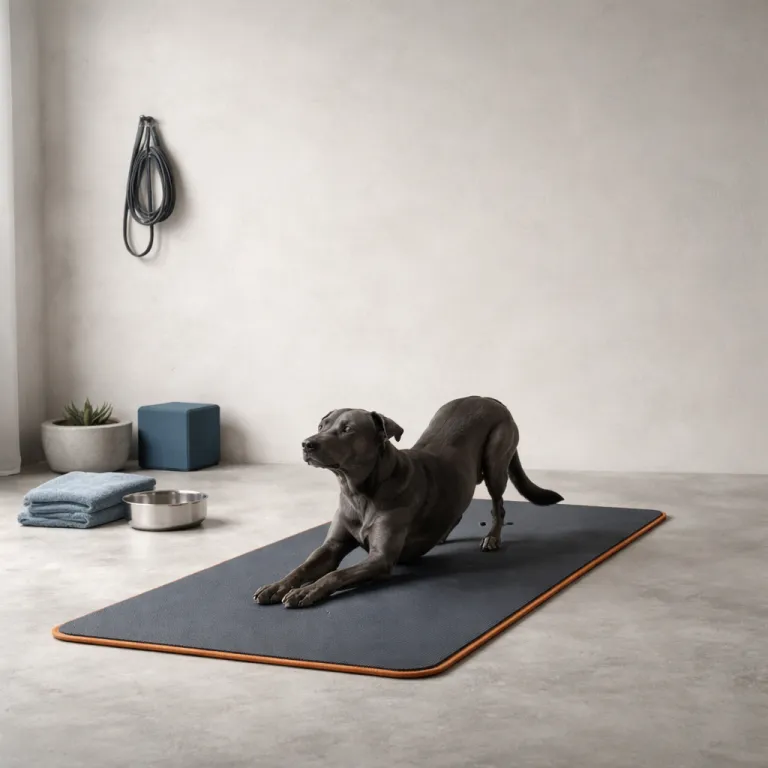
For couples travelling with dogs or cats, this layered approach changes the entire stay. A well designed room will include a washable, non slip zone for play, a quiet corner for the pet hotel style bed and sometimes a small climate controlled area for feeding and water. Some luxury pet hotels now add yoga inspired corners with mats from specialists such as Pet Yogis, or grounding mats from GroundingWell, so your pet can stretch beside you while you unwind after a long travel day. As veterinary behaviourists often note in conference proceedings from organisations such as the American College of Veterinary Behaviorists, predictable routines and defined rest zones reduce stress for companion animals in unfamiliar environments.
The three layers of a real pet wellness room
Start with grooming, because clean, relaxed pets settle faster in unfamiliar hotel rooms. In a serious pet wellness hotel room, you will see elevated dog grooming fixtures, handheld sprayers at pet height, and towels reserved only for pets, not shared with human spa linens. Some hotels go further and integrate in room pet grooming kits, with brushes suited to different dogs and cats, plus gentle products that mirror the hotel spa brand and follow veterinary dermatology guidance on mild, pH balanced shampoos.
The second layer is therapy, where the room connects to structured services such as a dog spa, hydrotherapy pool or curated pet spa menu. At Lake Austin Spa Resort in Texas, for example, pet therapies can be synchronised with owner yoga or facials, so your dog enjoys a massage or gentle water session while you are in the main spa. In Southern California, Zuri Pet Spa locations (a regional chain of grooming and spa centres) offer hydrotherapy, mud baths and advanced bathing systems, and some luxury pet hotels now partner with them or similar providers to extend those treatments to in house guests.
The third layer is monitoring and rest, which is where emerging technology quietly supports animal welfare. Industry trend reports from pet tech analysts and hospitality consultants already point to AI enabled biometric tracking for pets at the premium end, and a few forward thinking hotels are experimenting with dashboard style summaries that track sleep, play and stress related behaviours during the stay. For longer boarding style stays, especially for senior dogs, this data can be shared with your own veterinarian or a local animal hospital, turning a simple hotel pet visit into a genuinely informed wellness experience.
For couples planning a California escape, this three layer framework is a useful filter when choosing pet friendly suites. Before you commit to a romantic spa weekend, compare how different properties handle grooming access, therapy scheduling and monitoring, using a detailed guide to booking luxury pet friendly suites in Los Angeles and across California as your reference point at this in depth overview of luxury pet friendly suites in California. You will quickly see which hotels treat the pet wellness hotel room as a serious category, and which simply rebrand a standard room with a dog bed and a higher cleaning fee.
Hydrotherapy, yoga mats and the quiet science of recovery
Hydrotherapy is one of the most misunderstood elements of the modern pet spa. In a well run dog spa or pet spa, underwater treadmills and warm water pools are not theatrical props; they are tools that reduce joint load, build muscle and help older dogs move without pain. Peer reviewed veterinary rehabilitation studies, including work published in journals such as the Journal of Small Animal Practice and Veterinary and Comparative Orthopaedics and Traumatology, consistently show that the buoyancy of water allows controlled exercise that a standard walk around the hotel grounds cannot match for arthritic dogs or those recovering from surgery.
Underwater treadmills in particular allow therapists to adjust water height, speed and duration, creating a precise balance between resistance and support. This is why serious dog boarding and pet boarding facilities often partner with an animal hospital or veterinary rehabilitation team, ensuring that each session is prescribed rather than improvised. When a luxury dog hotel markets hydrotherapy, ask whether a veterinarian or certified therapist oversees the program, and whether the animal hospital team can review progress if your stay extends over several days. As a rough benchmark drawn from published price lists at rehabilitation clinics in the United States and United Kingdom, a 20 to 30 minute hydrotherapy session in a premium setting can cost a similar amount to a mid range human massage, and should include a brief assessment before and after treatment.
On the softer side of wellness, yoga mats designed for pets are moving from novelty to necessity in thoughtful pet wellness hotel room design. Manufacturers such as Pet Yogis produce mats that give dogs and cats grip and cushioning, while Wellness USA offers RedWell Pet Mats that add light therapy to the rest area, and GroundingWell provides grounding mats that may help sensitive pets relax after flights. As one expert summary from a pet wellness review site puts it, “Are pet yoga mats beneficial? Yes, they provide comfort and support for pets.”
When you enter a room that claims to be a wellness suite for pets, look at the floor before the furniture. A dedicated mat zone where your pet can stretch, play or simply rest away from the main traffic line between bed and bathroom is a subtle but powerful signal that the design team understands real life with animals. For more architectural cues that a room genuinely welcomes dogs and other pets, not just tolerates them, study the design focused guide at this analysis of design choices that signal real pet welcome, then apply the same lens to every hotel you consider.
Owner pet co treatments, pricing realities and when wellness rooms make sense
Shared rituals are at the heart of the new pet wellness hotel room trend. Resorts such as Lake Austin Spa Resort schedule pet massages or gentle movement sessions to coincide with owner yoga, facials or body treatments, turning a simple spa visit into a parallel experience for couples and their animals. This co treatment model works particularly well for multi night stays, where a rhythm of morning walks, mid day spa time and quiet evenings in the room creates a retreat like atmosphere and supports the human–animal bond described in many human–animal interaction studies.
Pricing usually reflects the layered nature of these services, so plan your budget with the same care you would apply to a human spa itinerary. A base room rate in a luxury pet friendly hotel often covers the pet bed, bowls and simple treats, while grooming, dog spa sessions, pet grooming packages and doggy daycare or day care services are priced à la carte. When comparing hotels, look beyond the nightly rate and map out the total cost of the stay, including any boarding dog options if you plan to leave the property for long dinners or excursions; a sample weekend might combine two hydrotherapy sessions, one grooming appointment and three half days of daycare, which can easily double the apparent room cost.
Wellness focused rooms make the most sense for longer stays, post flight recovery or trips with senior pets and anxious animals. If you are in town for a single night business stop, a full spa level pet hotel experience may be unnecessary, and a standard pet friendly room with access to safe walking routes will be enough. For a three night romantic break in Palm Beach or a week in a coastal resort, however, the combination of in room wellness features, access to pet hotels style services and nearby animal hospital support can transform how relaxed both you and your pets feel.
As you refine your shortlist, use specialist resources that compare luxury dog hotel options, dog boarding standards and pet spa programs across destinations. A detailed guide to booking luxury hotels for dogs, premium pet friendly stays and exclusive amenities at this expert overview of luxury hotels for dogs and premium pet friendly stays can help you benchmark what a fair price looks like for the level of care you expect. That way, the pet wellness hotel room becomes an intentional choice, not an impulsive upgrade at check in.
How to read the marketing and question the spa coordinator
Language on hotel websites often reveals more than the glossy photos. A “wellness suite” for pets usually suggests a more integrated approach, with in room features, structured grooming and therapy access, while a “spa room” may simply mean proximity to the main spa or a nicer bathroom where you still handle all pet care yourself. When you see grand claims about a luxury pet experience, read the fine print on who actually provides the services and where they take place, then compare that detail with independent reviews from other pet owners.
Before you reserve a high end pet wellness hotel room, speak directly with the spa coordinator or the dedicated pet care team. Ask who will handle your dog during treatments, whether they are trained in dog grooming, pet grooming and low stress handling, and how many animals they manage at once in any daycare or doggy daycare setting. Clarify cancellation policies for pet spa appointments, especially if your travel plans are weather dependent or if your animal is prone to stress related illness that might require a last minute visit to an animal hospital.
It is also worth asking how the hotel manages mixed species stays, because couples often travel with both a dog and a cat. A thoughtful hotel pet policy will explain how cats are kept safe from unfamiliar dogs in shared corridors, how play sessions are supervised and whether any sensor based monitoring is used to track noise or stress in adjacent rooms. For extended pet boarding or boarding dog arrangements, check whether the property partners with a nearby hospital or full service pet hotel for overnight supervision, rather than leaving animals alone in standard hotel rooms.
Finally, pay attention to the small operational details that rarely make it into brochures. Does the property have a clear plan for late night emergencies, including transport to an animal hospital and a point of contact who understands veterinary language? Are there quiet hours for pets, structured outdoor play windows and shaded routes for walks in hot destinations such as Palm Beach, where ground temperatures can be harsh on paws? These answers will tell you more about the real quality of care than any promise of a luxury dog welcome basket.
Design details that separate props from programs
Walk into any claimed pet wellness hotel room and start with your senses. You should notice calm, neutral scents rather than overpowering fragrances, durable yet soft flooring underfoot and a clear separation between human luggage zones and pet rest areas. If the only sign of pet friendly intent is a single bed in the corner, you are likely in a rebranded standard room, not a purpose designed wellness space.
Thoughtful design weaves pet needs into the architecture of the room. Look for low mounted hooks for leads, discreet storage for food and grooming tools, and a logical flow from entrance to wash area to sleeping zones that makes post walk clean ups easy. Some of the most advanced hotels now integrate climate controlled ventilation near the pet bed, helping to manage odours and allergens without turning the room into a sterile hospital like environment, and follow guidance from indoor air quality research on balancing filtration with comfort.
In high calibre luxury hotels, you may also see subtle cues borrowed from professional pet hotels and boarding facilities. These include wipe clean yet comfortable fabrics, raised feeding stations that suit larger dogs, and flexible partitions that allow you to create a quiet nook for a nervous cat or small dog. When a property talks about a luxury dog experience or a luxury pet program, these physical details matter just as much as access to external dog hotel partners or pet hotels for extended stays.
Ultimately, the most successful wellness rooms feel like a natural extension of how you live with your pets at home, only with better service and more refined materials. The yoga mat in the corner, whether from Pet Yogis or another specialist, is not a gimmick but part of a wider ecosystem that includes play space, rest space, grooming access and emergency care pathways. When those elements align, the pet wellness hotel room becomes a quiet, confident promise that your animals are not just allowed in the hotel, they are genuinely cared for throughout the stay.
FAQ
Are pet yoga mats in hotel rooms actually useful or just decorative ?
Pet yoga mats in hotel rooms provide grip, cushioning and a defined rest zone for dogs and cats, which helps them settle in an unfamiliar space. They also protect hotel flooring from claws and minor spills, making it easier for staff to maintain high standards of cleanliness. When combined with grounding or light therapy technologies, these mats can support relaxation after travel, and their benefits are increasingly discussed in pet wellness blogs and product reviews.
When does it make sense to pay extra for a pet wellness hotel room ?
Paying for a wellness focused room makes the most sense for multi night stays, long haul flight recovery, senior pets or animals with anxiety or mobility issues. In these cases, access to grooming, hydrotherapy, structured play and nearby veterinary support can significantly improve your pet’s comfort. For a single night transit stop, a standard pet friendly room with safe walking routes is usually sufficient, especially if you bring familiar bedding and toys from home.
What should I ask the hotel before booking hydrotherapy or spa treatments for my dog ?
Ask who supervises the sessions, what qualifications they hold and whether a veterinarian or rehabilitation specialist is involved in designing the program. Clarify how many dogs are treated at once, how hygiene is managed between sessions and what happens if your pet shows signs of stress or illness. You should also confirm cancellation terms and whether the hotel has an animal hospital partner for emergencies, ideally one with documented experience in canine rehabilitation.
How can I tell if a hotel is truly pet friendly rather than just tolerant of animals ?
A truly pet friendly hotel has clear policies, trained staff and visible design features such as dedicated pet wash areas, safe outdoor routes and in room amenities beyond a basic bed and bowl. Staff should be able to recommend local parks, veterinarians and pet services without hesitation. Reviews from other pet owners often highlight whether animals were treated as valued guests or as an inconvenience, so read recent comments as carefully as you would for human spa facilities.
Are wellness focused pet hotel services suitable for cats as well as dogs ?
Many wellness services are designed around dogs, but thoughtful hotels adapt elements such as quiet rest zones, gentle grooming and stress reduction tools for cats. Look for properties that offer species specific handling, separate spaces away from dogs and clear guidance on how feline guests are accommodated. If your cat is particularly sensitive, prioritise calm rooms, predictable routines and access to veterinary support over high energy spa activities, and ask whether the hotel can provide elevated hiding spots or covered beds.