Why thoughtful pet friendly hotel room design matters for couples
Most couples arrive with a pet expecting a genuinely welcoming hotel and receive a standard room with a folded blanket. True pet friendly hotel room design starts earlier, when hotel owners and interior designers decide that pets are not an afterthought but core guests. That shift in mindset changes everything from the flooring specification to the way your dog greets daylight from the window.
Rising demand for pets on the road has pushed luxury hotels to rethink every room, because households owning pets in the U.S. reached roughly 66% in 2023–2024, according to the American Pet Products Association National Pet Owners Survey 2023–2024 (APPA). A serious pet focused business now treats four legged guests as part of the brand, not a risk to be tolerated, and that is where interior design becomes a strategic business plan rather than a decorative exercise. When you book a dog friendly room today, you should expect more than a dog bed and two water bowls placed near the minibar.
Design initiatives in leading hotels focus on three objectives: enhance guest experience, prevent pet related damage, and maintain aesthetic appeal. The best concepts translate those objectives into calm, elegant room layouts that work for couples and for dogs, from the first step across the threshold to the last grooming session before checkout. When you evaluate pet friendly rooms online, look for clear information about pet room zoning, pet spa access, and whether the hotel dog policy feels genuinely welcoming or quietly restrictive.
Flooring, transition zones and the wet retriever test
Flooring is the first design tell that a hotel understands pets, because carpet under a wet retriever is a maintenance nightmare. Thoughtful dog friendly room planning uses hard surfaces such as porcelain tile or luxury vinyl plank in entrance zones, then may soften into rugs near the bed where human guests want warmth. As one interior designer interviewed for a boutique resort project in 2023 explained, “Durable fabrics like Crypton and hard flooring such as tile or luxury vinyl are recommended because they tolerate claws, moisture, and commercial cleaning products.”
Look for a clear transition zone just inside the room door, ideally with a bench, hooks, and a washable mat where a dog hotel can stage towels and wipes. This small area lets you handle grooming after a rainy walk, manage muddy paws, and keep the main room pet area serene and clean. When hotels add discreet storage for spare dog bed covers and cleaning tools, couples can relax instead of worrying about every shake of their dogs.
Lake Austin Spa Resort in Texas illustrates how flooring and landscape connect, with walking trail access from selected rooms so pets move from nature to interior without chaos (Lake Austin Spa Resort). At Sanctuary Beach Resort in Marina, California, amenities such as a Dog Stick Library and microfiber dog robes signal that the spa mindset extends to every dog room corridor, not just the human spa (Sanctuary Beach Resort). When you plan to book a luxury stay, ask whether pet friendly corridors and elevators use the same wipe clean materials as the rooms, because that detail reveals how deeply the business has thought about pets.
For couples mapping a premium escape, it helps to understand how these flooring choices influence long term costs and pet fees. A property that invests in durable surfaces and smart room ideas often charges a fairer, more transparent supplement, because damage risk is lower and cleaning is faster. Industry reports suggest typical pet fees in U.S. hotels range from about $25 to $75 per night (AAA travel guidance), and design led properties can sit at the lower end because robust finishes reduce deep cleaning and replacement costs over time.
Furniture, fabrics and integrated comfort for pets and couples
Furniture is where many hotels claim to be dog friendly yet quietly hope your pet never touches anything. A room that has been genuinely shaped by pet friendly hotel room design will use performance fabrics, removable slipcovers, and scratch tolerant finishes that welcome dogs onto the sofa without panic. Interior designers working with hotel owners now treat the dog bed, the human bed, and the seating as one coherent interior story rather than separate accessories.
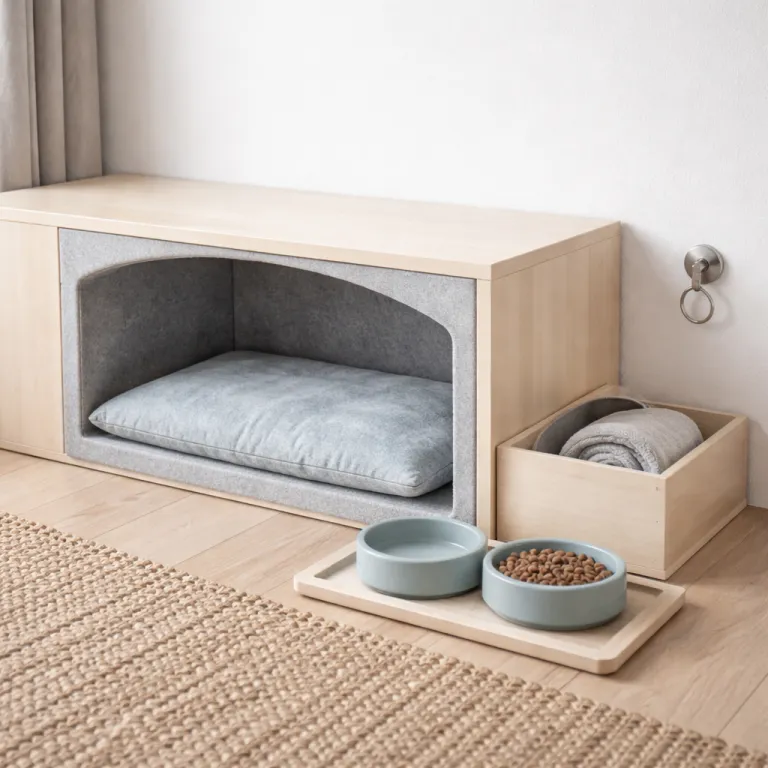
In a well considered pet room, you will often find a raised dog bed built into a low bench or window seat, keeping pets close to their guests without blocking circulation. This integrated dog room approach avoids loose cushions scattered across the floor and gives pets a defined place that feels as intentional as the king bed. When hotels add subtle storage below for toys, leashes, and grooming kits, couples can keep the space elegant while still travelling with multiple pets.
Material honesty matters here; fabrics should anticipate claws, fur, and the occasional spill instead of pretending accidents never happen. Crypton style textiles, tightly woven linens, and wood finishes with a forgiving grain allow hotels to maintain a luxury atmosphere while running a sustainable pet friendly business. When you are choosing dog friendly accommodation, ask whether sofas and chairs use washable covers, because that single detail often separates marketing from meaningful design.
Some of the most refined properties in San Diego now pair spa level amenities for humans with a dedicated pet spa or salon corner in selected rooms. These spaces may include a compact dog grooming station, a handheld shower near the entrance, and shelving for treats sourced from a local pet store. If you are planning to book a West Coast escape with your legged guests, this guide to booking pet friendly suites in California offers a useful benchmark for what premium hotels can reasonably provide.
Sightlines, lighting and the dog’s view of the room
Most hotel rooms are drawn around the human eye line, yet your dog spends the stay much closer to the floor. Thoughtful pet friendly hotel room design lowers at least one window sill so pets can watch the world without jumping, which calms anxious dogs and reduces scratches on furniture. When a hotel dog can see the corridor or the sea from a comfortable dog bed, barking often drops and couples enjoy a quieter night.
Sanctuary Beach Resort demonstrates this clearly, placing some beds and benches where pets can track the dunes and paths outside. Lake Austin Spa Resort uses sliding doors and terraces that open directly onto walking trails, giving pets a clear visual route from room to nature. These sightlines help legged guests understand where they are allowed to go, which is a subtle but powerful form of interior design for behaviour.
Lighting also shapes how pets experience a room, especially when couples return late from dinner at the spa restaurant or salon bar. Dimmable lamps near the pet room zone, rather than a single harsh ceiling light, let you settle dogs gently without waking them fully. Hotels that place night lights near water bowls and the room pet entrance show a level of care that goes far beyond standard friendly rooms.
For couples planning a romantic break, these details may sound minor until a restless pet paces half the night. When you book a pet friendly hotel, scan photos for low seating by windows, terrace access from the room, and clear routes to outdoor relief areas. If a property claims to be a dog hotel yet shows only high windows and wall to wall carpet, consider whether the design really supports pets or simply tolerates them.
Three design led properties that set the pet friendly standard
Across the global map, a small group of hotels now treats pet friendly hotel room design as a signature, not a side note. Sanctuary Beach Resort leads this pack with microfiber dog robes, a Dog Stick Library, and named guest signage that welcomes pets as personally as human guests (Sanctuary Beach Resort). The way staff greet dogs by name in the lobby tells you everything about the underlying business plan and training culture.
Lake Austin Spa Resort takes a different path, weaving pets into its wellness narrative with chef prepared pet menus and direct walking trail access from selected rooms (Lake Austin Spa Resort). Here, the pet spa concept extends outdoors, with shaded paths, water bowls along the route, and quiet corners where couples can stretch while dogs rest. The interior design balances soft textiles for humans with durable surfaces near doors, proving that luxury and practicality can share the same room.
In San Diego, a new wave of stylish dog friendly hotels favours wipe clean surfaces, lower window sills, and integrated bowls as standard. These properties often partner with local pet store brands for treats, grooming products, and dog room amenities, turning each stay into a curated experience for pets. When a hotel offers a small in house grooming salon or self service pet spa, it signals that four legged guests are woven into the daily business rather than squeezed in at the margins.
Before you book any pet friendly hotel that claims to welcome pets, read the fine print on size limits, fees, and where dogs may actually go. Many hotels charge additional fees for pets; it is best to confirm before booking, and policies vary so some hotels have weight limits while others do not. For a step by step approach to reserving the right category, this guide on how to book a luxury pet suite walks through questions that design conscious couples should ask.
How to read between the lines when booking pet friendly rooms
When you scroll through photos on a booking website, it helps to decode the quiet signals of pet friendly hotel room design. Start with the floor; look for hard surfaces near doors, washable rugs under the bed, and a visible transition zone where grooming can happen without drama. If every image shows pale upholstery and wall to wall carpet, the hotel may be hoping your pets never leave their crate.
Next, study the furniture layout and ask where a dog bed or room pet crate would realistically sit without blocking movement. Smart room ideas place human seating and pet zones along the same wall, leaving a clear path from entrance to window or terrace. When you see built in benches, low shelves for bowls, and discreet hooks for leashes, you are looking at interior design that has been shaped by real life with dogs.
Policies and amenities should reinforce what the photos promise, not contradict them with long lists of restrictions. Hotels that invest in durable materials, washable covers, and designated pet zones usually highlight these choices because they reduce damage and cleaning time. That alignment between design, operations, and communication is what turns a pet friendly label into a reliable signal for couples planning repeat stays.
Finally, consider how the overall business presents pets within its brand story, from spa brochures to restaurant menus. A hotel that mentions legged guests alongside couples in its marketing, offers clear guidance on choosing dog friendly activities nearby, and partners with local pet services is usually serious about this audience. For deeper context on how rates, services, and design intersect in premium pet stays, the editorial team at pet friendly stay dot com maintains an in depth guide to luxury and premium pet hotel options that is worth reading before you commit.
Key statistics on pet friendly hotel room design
- Households owning pets in the U.S. represent roughly two thirds of homes, according to the American Pet Products Association National Pet Owners Survey 2023–2024 (APPA), which strongly influences how hotels invest in pet friendly room design.
- Design initiatives that use durable materials, incorporate pet amenities, and designate pet zones aim to enhance guest experience while reducing long term maintenance costs; for example, operators report that hard flooring can cut room turnaround cleaning time by several minutes compared with wall to wall carpet in busy pet corridors.
- Hotels that offer specialized pet services and use pet friendly materials increasingly target pet owners directly in their marketing strategies, positioning four legged guests as a core audience rather than a niche exception.
Frequently asked questions about pet friendly hotel room design
What materials work best in a genuinely pet friendly hotel room ?
Durable fabrics such as Crypton and tightly woven performance textiles resist stains, claws, and frequent cleaning. Hard flooring like tile or luxury vinyl near entrances and high traffic areas helps manage mud, sand, and spills without trapping odours. Many design led hotels then layer washable rugs near the bed to keep the space comfortable for couples.
Do pet friendly hotels usually charge extra fees for pets ?
Many hotels apply a nightly or stay based supplement to cover additional cleaning and wear from pets. Properties that invest in robust pet friendly hotel room design sometimes keep these fees lower, because durable materials reduce damage risk. Always confirm the exact amount, whether it is per pet or per room, and what services such as bowls or beds are included.
Are there common weight or breed restrictions in pet friendly rooms ?
Policies vary widely; some hotels welcome all sizes of dogs while others cap weight or limit certain breeds. Design focused properties with strong materials and clear pet zones are often more flexible, because their rooms can handle larger pets. Check restrictions before you book, especially if you travel with more than one dog or with a giant breed.
How can I tell from photos whether a room is truly designed for pets ?
Look for hard flooring near doors, visible pet amenities such as integrated bowls, and furniture layouts that leave space for a dog bed without blocking circulation. Low window seats or benches suggest that pets are meant to enjoy the view alongside their owners. If marketing images show only pristine white textiles and no sign of pet zones, the room may be pet tolerant rather than pet focused.
What should couples ask before booking a luxury pet friendly room ?
Ask where pets may go within the property, whether there is direct outdoor access from any rooms, and what grooming or pet spa facilities exist on site. Clarify fees, weight limits, and whether the hotel provides beds, bowls, and treats or expects you to bring everything. These questions reveal how deeply the hotel has integrated pets into its design and daily operations.