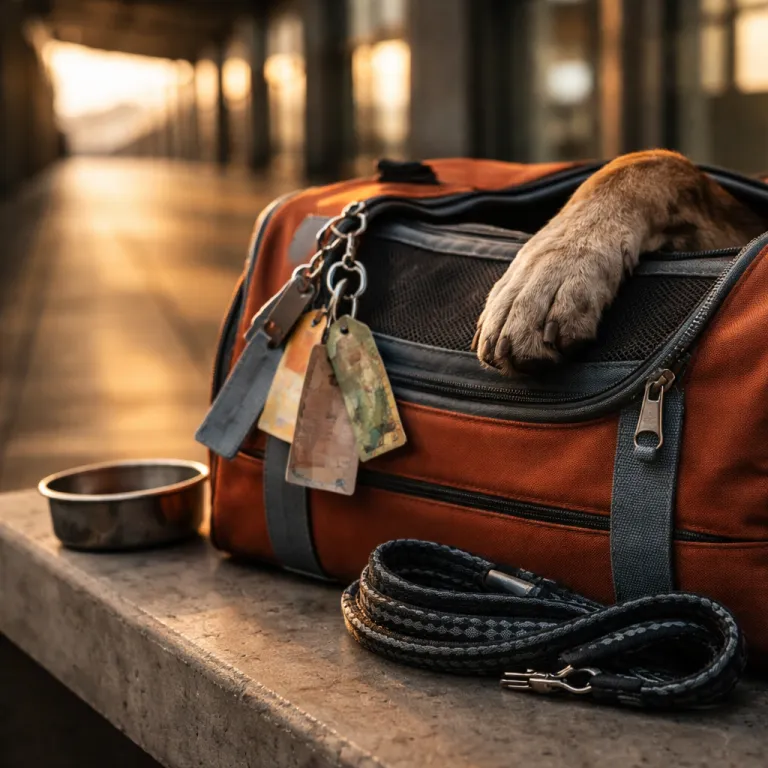
A world guide to planning solo travel with your dog
A world guide to planning solo travel with your dog
Solo travel with a dog demands a different world guide than the usual human-only itinerary. You are not just planning where you will sleep and eat; you are curating a route where a living, breathing companion must clear borders, fit under seats and be welcomed in the lobby with more than a shrug. Treat this as a personal travel guide that blends airline policy, pet entry rules and hotel realities into one coherent plan.
Think of three ecosystems that shape your world travel with a dog: friendly, restrictive and prohibitive carriers. Friendly airlines in North America or parts of Asia usually allow small dogs in cabin, but cabin-only travel limits dog size at most US carriers and leaves larger companions reliant on limited cargo options. Since United Airlines has significantly reduced dedicated pet cargo services in recent years, a solo person with a medium shepherd must often read rail timetables and ferry guides as carefully as flight schedules.
Restrictive carriers, such as many low-cost operators in Europe, accept only service animals and treat other pets as excess baggage at best. Prohibitive airlines, including Ryanair which maintains a no-pets policy except for service animals, simply remove the flight option from your guide world of choices. A realistic world guide for solo travelers therefore compares not just prices and flight times, but also whether your animal can legally and comfortably board at all.
Reading pet policies like a seasoned travel guide editor
Most airline and hotel websites read like glossy travel guides until you reach the pet section. A credible world guide for solo travelers teaches you to read those lines the way an editor at Columbus Travel Media would read the online World Travel Guide, scanning for what is missing as much as what is written. When you evaluate a luxury property, pair the official pet policy with an honest resource such as the analysis on how to read past the marketing in pet hotel reviews.
Look for three things in every policy: weight limits, unattended pet rules and public space access. A hotel that welcomes dogs up to 10 kilograms but bans them from restaurants and bars will not suit a solo person who cannot leave the animal alone in the room for long days. The best travel tips come from combining official rules with lived experience, which is why serious travel blog writers and professional tour guides often cross-check policies against real stays.
When you read a policy, imagine your actual day from breakfast to late evening. Ask whether room service is available if your dog cannot enter the dining room, and whether the concierge can arrange pet sitting if you book a long tour in nearby cities. A refined world guide mindset means treating each line of the pet waiver, house rules and privacy policy as part of your itinerary, not as legal noise at the end of a booking form.
Air, rail and sea corridors that work for pet focused world travel
For many solo travelers with dogs, the most practical world guide starts not with flights but with trains and ferries. In Europe, rail corridors often replace flight stress, with services such as Eurostar and national networks allowing leashed dogs in specific cars while you keep them close for the entire tour. This shift from air to rail changes how you think about distance, days on the road and which cities worldwide become realistic with a medium-sized companion.
In North America, Amtrak’s pet policy on select routes has quietly created a new map for dog owners who once relied on domestic flights. You might pair a short flight into a hub like Chicago or Los Angeles with a longer rail leg, using the train as your moving travel guide between pet-friendly cities. IATA has introduced digital tools to support live animal compliance, so well-prepared travelers can increasingly align airline rules, airport procedures and national regulations in one verified guide.
Sea routes matter too, especially around island nations and archipelagos of small islands. Ferries between north and south islands in some regions, or services linking Indonesia’s main islands, often accept dogs on specific decks or in kennels, which can be more humane than long-haul cargo. A thoughtful world guide will map these corridors so that your dog spends more time at your side and less time in a crate below deck.
Country entry rules that reshape your luxury hotel short list
Border rules can undo the most elegant hotel plans, so any serious world guide for pet owners starts with veterinary paperwork. Some countries in North America and Europe accept microchipped, vaccinated dogs with minimal quarantine, while others in Asia, the Arab Emirates or other Gulf jurisdictions impose long isolation periods. Before you book a suite in Cape Town, a riad-style property in South Africa or a desert resort in Saudi Arabia, you must align your dog’s documents with national regulations.
Quarantine surprises often hit travelers heading to islands, where rabies-free status leads to stricter controls. A solo person planning a retreat in Costa Rica, a wellness stay on a remote island in Indonesia or a surfing break near Cape Town should read government travel guides as carefully as any glossy travel blog. The Third World Institute once described its reference work The World Guide as a comprehensive country-by-country overview, and that same spirit of detailed national profiles now lives in many official portals that outline pet entry rules.
Remember that rules can differ within regions, even when marketing suggests a unified world. North and South Korea, for example, share a peninsula but maintain entirely separate entry systems, while North America combines Canada, the United States and Mexico with distinct veterinary requirements. A refined world guide approach means checking embassy pages, airline regulations and national tourism sites in sequence, then only shortlisting hotels in cities that your dog can legally enter without undue stress.
Choosing pet friendly luxury stays that truly work for solo travelers
Once borders and routes are clear, the world guide shifts to the micro level of where you and your dog will actually sleep. A luxury or premium hotel earns its place in any serious travel blog only when the pet experience matches the human one, from check-in to late-night room service. Look for properties where the staff greet your dog by name, offer a water bowl unprompted and know the nearest off-leash park without reaching for generic guides.
In cities like Los Angeles, Cape Town or major hubs in South Korea, the best hotels for solo travelers with pets share three traits. They provide flexible in-room dining so you can eat well without leaving your dog alone, they offer vetted pet sitting or dog walking services on demand and they are located within a short walk of green spaces or waterfront paths. When you read reviews, prioritise comments from a person who actually travelled with a dog, rather than generic praise from popular travel influencers who never mention where the nearest park is.
Seasonality matters too, especially when planning several days in one place. Our own curated list of summer hotel openings that already welcome pets properly can serve as a living world guide to new addresses that take animals seriously from day one. Treat each stay as a chapter in your personal travel guides collection, noting which hotels handled late check-out with a wet dog gracefully and which ones treated your companion as an inconvenience.
A practical planning sequence for your personal guide world
To turn all this into a usable world guide, follow a clear planning sequence every time you travel with your dog. Start by choosing a region such as North America, South Africa or parts of Asia, then check national pet entry rules before you even glance at hotel photos. Only once your dog can legally enter should you map cities, rail lines, ferries and flights into a coherent tour.
Next, sketch your days as a solo traveler with a dog, not as a generic tourist. Decide which things you want to do that require leaving the hotel, from long museum visits in major cities worldwide to guided hikes on a remote island, and then identify where professional pet sitters or hotel services can bridge the gap. Use specialist travel tips from experienced pet owners, cross-referenced with mainstream travel guides and your preferred travel blog, to refine this plan.
Finally, document your route and choices as your own evolving travel guide, complete with notes on which airlines handled boarding smoothly and which hotels honoured their pet promises. Keep copies of your dog’s veterinary papers, airline confirmations and hotel emails alongside a saved version of each privacy policy in case questions arise at check-in. Over time, this personal archive becomes a bespoke world guide that helps you, and other travelers you share it with, navigate the complex but rewarding world of luxury travel with a four-legged companion.
Key figures for pet focused world travel planning
- United Airlines’ changes to its dedicated pet cargo offerings removed one of the largest structured pet transport options in North America, forcing many travelers with medium and large dogs to shift toward rail and car-based itineraries.
- The World Guide published by Third World Institute covered around 200 countries, illustrating how comprehensive country-level references can support nuanced planning for pet entry rules and cultural expectations.
- Digital travel guides and online portals such as the World Travel Guide by Columbus Travel Media have grown steadily, reflecting a broader shift toward real-time updates that are crucial when airline pet policies and border regulations change frequently.
- Cabin-only pet policies at most US carriers often limit in-cabin travel to dogs under roughly 9 kilograms (around 20 pounds) including the carrier, which excludes many popular breeds and makes alternative routes essential for a significant share of pet owners.
FAQ about luxury pet friendly world travel for solo explorers
How do I choose an airline when travelling solo with a dog?
Start by checking whether your dog qualifies for in-cabin travel based on weight and carrier dimensions, then confirm that the airline accepts pets on your specific route and season. Avoid carriers with no-pets policies, such as Ryanair for non-service animals, and prioritise those with clear, published procedures for check-in and potential delays. Always call the airline to add your pet to the booking, because most limit the number of animals per flight.
Which documents does my dog need for international travel?
Most countries require a microchip, a valid rabies vaccination and an official health certificate issued shortly before departure. Some destinations also demand blood tests, parasite treatments or quarantine reservations, especially islands that protect rabies-free status. Check embassy websites and national agriculture or veterinary authorities for the latest requirements before you book any non-refundable hotel stays.
Are trains a realistic alternative to flights for long distance trips?
On many routes in Europe and parts of North America, trains are an excellent alternative, especially for medium and large dogs that cannot travel in cabin. Services such as Eurostar and selected Amtrak lines allow pets under specific conditions, which can reduce stress for both you and your animal. Always verify route-specific rules, as pet acceptance can vary even within the same rail network.
What should I look for in a luxury pet friendly hotel as a solo traveler?
Focus on properties that combine generous pet policies with practical services, such as in-room dining, flexible housekeeping and access to vetted pet sitters or dog walkers. Location matters as much as amenities, so prioritise hotels within walking distance of parks or waterfront paths where you can exercise your dog safely. Read recent guest reviews that mention pets explicitly, rather than relying only on the hotel’s marketing language.
How far in advance should I plan an international trip with my dog?
For straightforward routes between neighbouring countries with aligned vaccination rules, two to three months can be enough to organise documents and bookings. For complex itineraries involving quarantine, blood tests or multiple connecting flights, start at least six months ahead to avoid last-minute complications. Early planning gives you more choice of airlines, routes and genuinely pet-friendly hotels that suit a solo traveler’s rhythm.