How hotel pet monitoring apps are quietly redefining pet-friendly stays
From webcam to wellness: how the hotel pet monitoring app is changing the stay
Luxury pet friendly hotels are quietly turning the hotel pet monitoring app into their new signature amenity. What began as a simple webcam in the pet hotel wing has evolved into layered systems that let a pet owner follow their dog or cat in real time, track activity and even receive health alerts while they head to dinner or a meeting. The promise is simple yet emotionally loaded; peace of mind for pet parents who hate the moment they close the door and leave their pet behind.
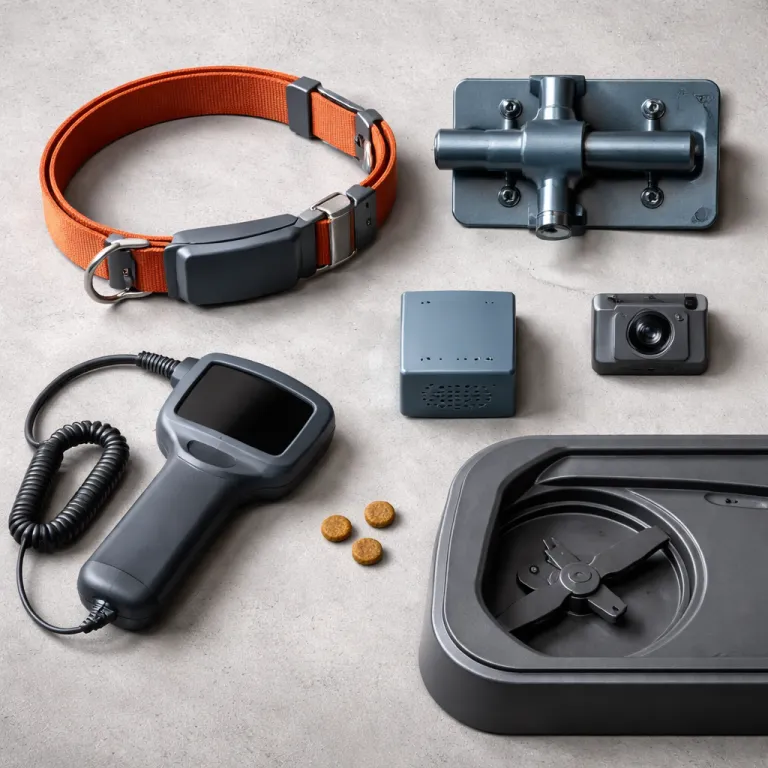
Across premium properties, three categories of pet tech now dominate the conversation about care services for dogs and cats. Remote monitoring tools let you check on your pet through live video, photo updates and structured notifications, while environmental sensors quietly log temperature, humidity and noise data in the background to flag anything that might unsettle a sensitive dog or cat. Automated services then step in with app based scheduling for dog walking, feeding and play sessions, turning what used to be a paper chart in a back office into a transparent dashboard on your phone or tablet.
For frequent pet owners who travel on business, the difference between theatrical tech and meaningful tech is stark. A hotel that simply adds a camera and a glossy app may let you view your pet in a run, but it rarely changes the level of pet care or the lifestyle of the stay for your dog. A property that integrates monitoring with trained staff, clear escalation protocols and AI based pet insights can actually help your pet settle faster, shorten the stressful length of stay feeling and make that late night check on your phone feel like a genuine welfare tool rather than a novelty.
Remote monitoring: when watching your pet actually helps your dog
The most visible layer of any hotel pet monitoring app is remote viewing, and it is where most pet parents start. You log in on iOS or Android, check the live feed from the pet hotel playroom, and within seconds you can see whether your dog is napping, pacing or happily wrestling with other dogs and cats. For a well adjusted adult dog on a one night stay, this is often more about the pet owner than the pet; the dog is fine, but the human needs reassurance.
Remote monitoring becomes genuinely valuable when it is paired with context and action, not just a stream of real images. If your dog has separation anxiety, being able to monitor your pet in real time lets you time your calls to the front desk, ask questions about behaviour and request help before stress escalates into barking or destructive chewing. For senior dogs or a dog cat duo with medical needs, a quick check of the app during the day can confirm that medication was given on time and that your pet is resting comfortably rather than pacing the room.
Some high end hotels now integrate their hotel pet monitoring app with AI enabled collars from companies such as PetPace, which specialise in health metrics. In those properties, you do not just see your dog; you also receive notifications if heart rate, respiration or activity data move outside a normal band, which can help pet owners catch early signs of discomfort or illness. As one industry FAQ from PetPace puts it without embellishment, “How do smart collars benefit dogs in hotels? They monitor health metrics, ensuring well-being during stays.”
For travellers heading to lakeside destinations or mountain towns, this remote layer can be especially reassuring. A Duluth style lakeside property that offers elegant pet friendly rooms and a hotel pet monitoring app, similar in spirit to the lakeside stays highlighted in this guide to elegant pet friendly hotels in Duluth for lakeside stays, can let you check that your dog is dry, warm and calm after a long walk by the water. The key is not the number of cameras, but whether the staff are trained to respond when the app shows a problem rather than leaving you to worry from afar.
Biometrics, sensors and the line between care and theatre
The second layer of hotel pet tech lives in the collar and in the room, where AI enabled biometric tracking and environmental sensors quietly collect data about your dog’s stay. Smart collars from brands such as PetPace can log heart rate, respiration, activity and even posture, then feed those data into the hotel pet monitoring app so pet parents can see stress trends over the length of stay. In parallel, sensors in premium pet hotel suites track temperature, humidity and noise, alerting staff if a dog is left in a room that is too warm, too cold or too loud.
For certain guests, this level of monitoring is not a gimmick but a lifeline. A senior dog with a heart condition, a post surgery pet or a rescue dog with severe anxiety can benefit from real time alerts that prompt staff to check the room, adjust the environment or call a vet partner if biometric readings spike. In these cases, AI based pet tech genuinely helps the pet, and the hotel’s care services shift from generic pet care to something closer to a monitored clinic stay, albeit one with plush bedding and perhaps a private dog park session.
Theatre creeps in when the same tools are used on a healthy, well socialised adult dog on a short city break. Heart rate graphs every five minutes, stress scores colour coded on your phone and constant notifications about minor activity changes can create more anxiety for pet owners than for the dogs and cats themselves. The most thoughtful hotels therefore let guests customise features in the app, dialling back non essential alerts while keeping core safety thresholds in place so that the tech supports peace of mind rather than undermining it.
Behind the scenes, only a minority of properties currently operate at this level. Industry interviews with boarding software vendors and hotel operations teams suggest that AI driven pet tech is still in an early adoption phase, with many brands running pilots rather than full rollouts. Hotels that do invest often work with partners such as Roch Dog, whose AI certification engine assesses whether a hotel’s pet friendly claims match its real standards, or GoPet AI, whose boarding software helps staff manage schedules and health logs. For travellers, the presence of these names in pre stay information can be a quiet signal that the hotel’s pet technology is more than marketing gloss.
Apps, automation and the infrastructure that makes pet tech work
The third category of hotel pet technology sits in the operational layer, where automation and software shape how your dog’s day actually unfolds. Systems such as GoPet AI allow teams to schedule dog walking, feeding, play sessions and grooming, then surface that timetable inside the hotel pet monitoring app so pet parents can check what is planned. Instead of a vague promise that “someone will come by in the afternoon”, you see a clear schedule with times, carers and locations, which makes the experience feel more like a structured pet hotel than an afterthought.
For this to function smoothly, the hotel needs more than a glossy app; it needs robust WiFi, trained staff and clear escalation protocols when something in the system pings. If an environmental sensor flags a noisy corridor, the team must know whether to move the dog, adjust housekeeping routes or simply reassure the pet owner through the app with context and answers to likely questions. When biometric data from a collar suggests a spike in stress, there should be a defined path from notification to human check, and from human check to veterinary advice if required.
Guests feel the benefit of this infrastructure in small, concrete ways throughout the length of stay. You might receive a calm message on your phone or tablet that your dog has just returned from the dog park with the hotel’s walker, along with a short note about behaviour and a photo that appears in the app’s gallery. At checkout, some systems even invite you to leave a rating specifically on pet care services, separating your view of the room and restaurant from your assessment of how the team handled your dog or cat.
Certification engines such as the one developed by Roch Dog are starting to knit these elements together into a recognisable standard. “What is AI certification for pet-friendly hotels? An AI system assessing and certifying hotels' pet-friendly services.” That kind of external audit matters, because it pushes hotels to align their real practices with the promises made in marketing copy about pet owners, pet parents and the level of attention their animals will receive.
What matters to your dog versus what soothes you
For a business leisure traveller extending a trip, the hardest question is simple; which parts of a hotel pet monitoring app actually improve your dog’s stay, and which parts mainly soothe you between meetings. From a canine perspective, the essentials remain timeless: a predictable routine, gentle handling, access to a safe dog park or walking route and a quiet, temperate room where dogs and cats can rest undisturbed. Tech becomes valuable when it reinforces those basics, not when it distracts from them with flashy features that generate more data than care.
Real gains show up when the app helps staff tailor the stay to your pet’s lifestyle and needs, rather than applying a one size fits all template. If your dog is nervous, being able to flag that in the app before arrival allows the team to assign a quieter room, schedule shorter but more frequent dog walking sessions and avoid over stimulating group play. For a confident dog cat pair, the same system can be used to book longer play blocks, arrange supervised time in a secure dog park and align feeding times with your own schedule so that the rhythm of the day feels familiar.
By contrast, purely theatrical tech tends to focus on metrics that rarely change decisions. A healthy adult dog on a two night city stay does not need minute by minute heart rate charts, nor does a relaxed pet owner benefit from constant notifications about trivial movements. In these cases, the most luxurious move a hotel can make is to let you customise the app, turning off non essential alerts while keeping core safety thresholds and the option to check a live view when you genuinely need reassurance.
Some of the most pet fluent properties pair this digital sensitivity with an old fashioned, high touch attitude on the ground. A Manhattan address such as the Kimpton Era Midtown, profiled in this review of a no fee pet promise hotel where animals are genuinely welcomed, shows how policy and attitude can matter as much as any app. When the concierge knows the nearest off leash park by name, the housekeeping équipe understands how to enter a room with a nervous dog and the front desk can talk you through the privacy policy for your pet’s data without hesitation, the tech feels like an extension of hospitality rather than a substitute for it.
Questions to ask before you book a high tech pet stay
Before you commit to a high tech pet friendly hotel, it pays to interrogate the systems as carefully as you would the spa or the meeting rooms. Start with the basics; ask whether the hotel pet monitoring app is available on both iOS and Android, whether you can access it on a phone or tablet, and whether there is a clear privacy policy that explains how your pet’s data will be stored and deleted after checkout. Clarify who can view the feeds and metrics, how long recordings are kept and whether any third parties, such as training partners or marketing agencies, ever receive anonymised or identifiable data.
Next, move from technology to practice by asking how staff respond to alerts and notifications generated by the system. If a sensor flags a temperature spike in a pet hotel suite, who is paged, how quickly do they check the room and what authority do they have to move the dog or call you. When biometric readings from a collar suggest stress, is there a protocol that involves a quiet visit, a short walk or a change of environment, or does the hotel simply send you a message and leave the decision entirely in your hands.
Finally, look at how the hotel measures and learns from its own performance over time. Properties that take pet care seriously often invite guests to leave a rating specifically on pet services, then feed that feedback into AI based tools such as GoPet AI to refine schedules, staffing and enrichment activities. Over multiple seasons, that loop can shorten the effective length of stay stress curve for many dogs and cats, because the team learns which combinations of room location, dog walking frequency and dog park access help pets settle fastest.
Industry case studies from kennel software providers indicate that well implemented AI systems can significantly streamline pet boarding operations by automating scheduling, monitoring and record keeping. “What features do AI pet boarding systems offer? Automated scheduling, real-time monitoring, and health tracking.” When those features are deployed with restraint, transparency and a clear focus on the animal rather than the marketing brochure, AI in the kennel stops being a gimmick and starts to feel like a quiet, competent extra pair of eyes on the guest who matters most.
FAQ
How can I verify that a hotel is genuinely pet friendly and not just pet tolerant ?
Ask whether the property uses any form of AI certification or external audit for its pet programme, such as the systems developed by Roch Dog that assess real services rather than marketing claims. Request specific examples of care services, including dog walking schedules, access to a secure dog park and staff training for handling nervous dogs and cats. Finally, read recent guest reviews that mention pet owners or pet parents by name, and pay attention to how often people praise staff attitude rather than just room amenities.
What is AI certification for pet friendly hotels ?
“What is AI certification for pet-friendly hotels? An AI system assessing and certifying hotels' pet-friendly services.” In practice, that means a platform analyses structured data about policies, facilities and guest feedback to rate how well a hotel supports pets across safety, comfort and services. For travellers, this kind of certification can act as a shorthand signal that the hotel’s pet promises have been tested against real world standards rather than written purely by a marketing team.
When does biometric monitoring actually make sense for my dog ?
Biometric monitoring is most useful for senior dogs, pets with known medical conditions or animals with severe separation anxiety who may struggle in a new environment. In those cases, real time alerts about heart rate, respiration or unusual inactivity can prompt staff to check on your pet quickly and, if needed, involve a vet partner. For a healthy, well socialised adult dog on a short stay, you may prefer to limit biometric features to basic activity tracking and focus instead on routine, exercise and calm handling.
What privacy questions should I ask about my pet’s data in a hotel app ?
Request a copy or summary of the hotel’s privacy policy that specifically covers pet related data, including camera feeds, sensor logs and biometric information from collars. Ask who can access this data, how long it is stored, whether it is ever shared with third parties and how it is deleted after the length of stay ends. If the team cannot answer these questions clearly, or if they seem unsure which systems are in place, treat that as a sign to choose a different property.
How do smart collars and hotel apps work together during a stay ?
In hotels that support smart collars, the device collects health and activity metrics while the hotel pet monitoring app acts as the interface where you and staff can view trends and alerts. Some systems integrate with boarding software such as GoPet AI, so that unusual readings automatically trigger checks or adjustments to the dog’s schedule. Used thoughtfully, this combination can help pet owners and hotel teams respond faster to early signs of stress or illness, especially during longer stays.