Discover how to choose the best pet-friendly hotels in Italy, from Rome and Venice to Tuscany, Emilia-Romagna and Puglia, with real examples of fees, size limits, amenities and dog beach rules.
Why Italy works so well for pet-friendly stays
Terrace cafés with water bowls under every table, dogs trotting through cobbled streets, cats sunning themselves in courtyards – Italy is instinctively pet friendly. For travelers, that translates into a wide choice of hotels where animals are not only accepted but expected, from discreet city addresses to quiet countryside retreats.
The country has seen a marked rise in pet-focused hospitality, with more hotels in Italy updating policies, adding dedicated amenities and training staff to welcome four-legged guests. A 2023 survey by the Italian national hotel association Federalberghi reported that roughly one in three properties now accepts pets in some form, with higher concentrations in regions such as Tuscany, Emilia-Romagna and Lombardy. Many establishments offer pet beds, bowls and simple pet menus, while some keep a list of nearby veterinary clinics and grooming services at reception. The key is to distinguish a genuinely pet friendly hotel from one that merely tolerates animals in a few rooms by looking closely at rules, fees and where pets can realistically move.
Before you book, you should check three things in particular: where your pet can realistically move (rooms, lobby, garden, sometimes restaurant bar terraces), how far you are from green space or a beach that accepts pets, and whether there are size or breed limits. A refined, well-located hotel that allows dogs only in the room will feel very different from a place where your companion can join you by the pool or in the lounge, so it pays to ask detailed questions by email before confirming, including whether your dog may stay alone in the room and how long is considered acceptable.
City stays with pets: Rome, Milan, Venice and beyond
Morning walks along the Lungotevere in Rome or through Parco Sempione in Milan can be the highlight of a city break with a dog. Urban pet friendly hotels in Italy tend to focus on convenience: easy access to parks, efficient check-in with clear pet details, and rooms with hard floors rather than delicate carpets. In historic centers, you will often find compact rooms but excellent locations, which matters more if you plan to be out exploring with your pet most of the day.
In Rome, look for a hotel near Villa Borghese or within a short stroll of the Tiber river paths, rather than directly on the busiest arteries around Termini. A central hotel in Venice gains value if it sits close to a quiet fondamenta where you can walk your dog early, away from the crowds around Piazza San Marco. In Milan, addresses around Porta Nuova or Brera offer a good balance of design-forward rooms and access to green pockets for quick relief breaks, especially if you request a room on a lower floor close to a side exit.
City properties rarely have a full swimming pool or large garden, so the trade-off is clear: you gain culture, restaurants and nightlife, but you accept more structured walks and less off-leash freedom. This suits guests with smaller dogs used to apartment life, or travelers passing through for a single night before heading to the countryside or coast. If you want a resort hotel feel with lawns and a pool, you will be happier outside the main urban cores, in neighbourhoods on the edge of town or in satellite villages with easier parking.
Countryside retreats: Tuscany, Emilia-Romagna and rural escapes
Olive groves, vineyards, gravel drives lined with cypress trees – the Italian countryside is where pet friendly hotels come into their own. In the Tuscan countryside, many properties occupy former farmhouses or villas, with thick stone walls, terracotta floors and direct access to outdoor space. Dogs can step straight from ground-floor rooms into a garden or small private patio, which makes early-morning routines effortless and reduces the need to cross internal corridors.
Emilia-Romagna offers a different rhythm. Here, between the plains around Bologna and the first Apennine hills, you find low-rise hotels with generous lawns, shaded parking and often a simple outdoor pool. These are practical bases for road trips, with easy access to both the countryside and the Adriatic coast. The atmosphere is less theatrical than in Tuscany but often more relaxed for pets, with fewer fragile antiques and more robust, contemporary furnishings that can cope with the occasional muddy paw.
When comparing rural hotels in Italy, focus on how the land is used. Some estates keep most of the grounds for vineyards or private events, leaving only a small shared garden for guests and pets. Others carve out walking paths, small lakeside areas or olive terraces where you can wander on a long lead. If you value quiet evenings on site, check whether there is a restaurant bar open onwards into the evening, or whether you will need to drive out for dinner and leave your pet alone in the room, and ask if staff can recommend local dog-friendly trattorie or agriturismi in nearby villages.
Coastal stays: beaches, the Adriatic and Puglia
Salt on fur, sand between paws, the sound of waves at night – coastal Italy can be wonderful with animals, provided you choose carefully. Not every beach accepts pets, and rules can change by municipality, so a hotel that understands local regulations is essential. On the Adriatic coast, especially along the stretches between Rimini and Ravenna, you will find dedicated “bau beach” areas where dogs are welcome on specific sections of sand, usually with posted signs indicating hours, leash rules and cleaning obligations.
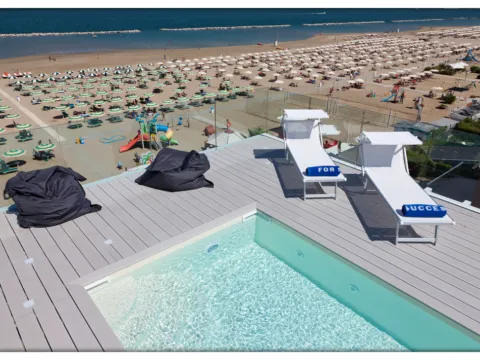
Many seaside hotels advertise proximity to the beach, but for guests with pets the real question is whether there is a section where beach access with animals is allowed and practical. A short walk of 300 or 400 metres along Viale Regina Elena in Rimini, for example, feels manageable with a dog in the early morning; a longer trek along a busy promenade at midday does not. Some coastal properties compensate with a generous swimming pool and garden area set back from the sea, where pets can relax in the shade while humans swim, and where staff can point you to the nearest officially designated dog beach and explain any seasonal bans.
In Italy’s Puglia region, coastal towns combine whitewashed lanes with rocky coves and sandy bays. Here, a pet friendly hotel often means a low-rise property with a central courtyard, a few palm trees and tiled rooms that stay cool in summer. The trade-off on the coast is noise and density in high season. If your dog is sensitive to crowds, consider staying slightly inland in the countryside and driving to pet-friendly beaches during quieter hours, rather than sleeping directly on the seafront, and check local ordinances on seasonal dog bans before you travel, as some municipalities restrict access during peak daytime hours in July and August.
What to check before booking a pet friendly hotel in Italy
Pet policies in Italian hotels are not standardized, so you should always check the details before booking. Some properties welcome small dogs only, others accept multiple animals per room, and a few limit pets to specific floors or room categories. Clarify whether your companion can stay alone in the room while you dine, or whether you are expected to keep them with you at all times on the property, and ask if there is a maximum time they can be left unattended.
Ask where pets are allowed to move: only in rooms and corridors, or also in the lobby, garden, pool terrace and outdoor restaurant bar areas. A luxury hotel may offer elegant rooms and a striking view but still restrict animals from most shared spaces, which can feel frustrating on a longer stay. On the other hand, a simpler three- or four-star hotel with a flexible attitude and a generous garden can be far more comfortable for both you and your pet, especially if there is a clearly marked relief area with bags and bins.
Health requirements matter as well. Italian properties increasingly expect vaccinations to be up to date and may ask for basic documentation on arrival, especially if you are coming from abroad. Since many hotels now provide pet beds, bowls and sometimes a small welcome treat, it is worth confirming what is included so you can pack accordingly. Typical nightly pet fees range from about €10–€25 per animal, while per-stay supplements can sit between €20 and €60; some upscale hotels also request a refundable damage deposit, so ask in advance whether cleaning is included and whether any extra charge applies for larger breeds.
Matching hotel style to your travel profile
Not every pet friendly hotel in Italy suits every traveler. A design-led city hotel with compact rooms and a rooftop view works best for solo travelers or couples with one small dog, who plan to spend most of their time exploring museums, restaurants and neighbourhoods on foot. Here, the priority is location and efficient service rather than expansive grounds or a large pool, and a clear, written pet policy at check-in helps avoid misunderstandings.
Families or guests with larger dogs tend to be happier in low-rise properties with direct outdoor access, whether in the countryside or on the coast. A resort-style hotel with a swimming pool, lawns and a casual restaurant bar allows children and pets to move more freely, and reduces the need to navigate narrow staircases or crowded lifts. In these hotels, rooms on the ground floor or near a side exit are worth requesting, as they make early walks and late-night outings less disruptive and limit the time your dog spends in busy corridors.
For travelers who value discretion and calm above all, a small luxury hotel in the Tuscan countryside or in rural Emilia-Romagna can be ideal. You trade immediate access to big-city culture for quiet evenings, long walks among fields and the ability to sit outside with your dog under the stars. Whatever your profile, the most successful stays share one thing in common: a hotel where staff genuinely like animals and where the layout of rooms, gardens and shared spaces has been thought through with pets in mind, from non-slip floors to shaded corners and clearly signposted outdoor areas.
Top Pet Friendly Hotels in Italy
Italy is an excellent choice for pet-friendly travel because many hotels across cities, countryside and coast now welcome animals with clear policies and practical amenities. To match the title of this guide, here is a concise selection of well-regarded pet friendly hotels in different regions, illustrating how policies and fees can vary while still remaining manageable for most travelers.
1. Rome – Hotel Artemide (Lazio): Central city hotel near Via Nazionale that accepts small and medium-sized dogs in designated rooms, with hard floors and easy access to nearby green spaces for walks. Typical pet fees are around €15–€25 per night to cover extra cleaning, and there is usually a limit of one dog per room with a maximum weight set by the property, often in the 10–15kg range.
2. Milan – NH Collection Milano President (Lombardy): Business-friendly address close to the Duomo that allows pets in guest rooms and some lobby areas, providing bowls on request and clear information at check-in. A moderate surcharge per stay is common, usually between €20 and €40, with size limits that generally favour smaller breeds and a requirement that animals remain on a leash in public spaces.
3. Venice – Hotel Saturnia & International (Veneto): Historic hotel a short walk from Piazza San Marco that welcomes dogs in selected room categories and can suggest quieter walking routes along nearby canals. Pet supplements are typically applied per night, often around €20, and the hotel may restrict access to certain dining rooms while still allowing animals on outdoor terraces when space permits and provided they are well behaved.
4. Tuscan countryside – Villa le Maschere (Tuscany): Country retreat set in parkland north of Florence, with lawns and walking paths that suit guests travelling with dogs who enjoy longer strolls. Pets are usually allowed in rooms and some outdoor areas, with a nightly fee in the region of €20–€30 and a request that owners bring their own bedding for larger animals to protect historic furnishings and upholstery.
5. Emilia-Romagna – Palazzo di Varignana (near Bologna): Low-rise resort surrounded by gardens and olive groves, offering spacious grounds and several outdoor seating areas where dogs can relax with their owners. The property generally applies a fixed pet charge per stay, often around €30–€50, accepts small and medium-sized dogs up to a specified weight limit, and asks that pets are kept away from spa pools and indoor wellness zones.
6. Adriatic coast – Hotel Sporting Rimini (Emilia-Romagna): Seafront hotel on Viale Vespucci that often collaborates with nearby “bau beach” establishments, making it easier to find a stretch of sand where dogs are admitted. Expect a modest daily supplement for pets, usually €10–€20, clear rules about keeping animals on a leash in common areas, and guidance from reception on local beach regulations and seasonal restrictions set by the Rimini municipality.
7. Puglia – Masseria Torre Coccaro (near Fasano): Converted farmhouse close to the coast, with courtyards, shaded gardens and some ground-floor rooms that open directly outdoors, ideal for dogs that need frequent breaks. Pet policies typically include a per-stay fee in the €30–€60 range, acceptance of one or two small to medium dogs per room, and limitations on access to indoor fine-dining spaces while still allowing animals in more informal outdoor restaurant bar areas.
| Hotel |
Typical fee |
Size limits |
Where pets are allowed |
Key pet amenities |
| Hotel Artemide, Rome |
€15–€25 per night |
Small/medium, ~10–15kg |
Rooms, some corridors |
Hard floors, nearby parks |
| NH Collection Milano President |
€20–€40 per stay |
Small breeds preferred |
Rooms, selected lobby areas |
Bowls on request, central location |
| Hotel Saturnia & International |
~€20 per night |
Small/medium dogs |
Rooms, outdoor terraces |
Suggested quiet walking routes |
| Villa le Maschere |
€20–€30 per night |
Small to large, on request |
Rooms, gardens, paths |
Parkland setting, long walks |
| Palazzo di Varignana |
€30–€50 per stay |
Small/medium up to set limit |
Rooms, outdoor seating areas |
Extensive grounds, olive groves |
| Hotel Sporting Rimini |
€10–€20 per night |
Small/medium dogs |
Rooms, seafront promenade |
Access to nearby dog beaches |
| Masseria Torre Coccaro |
€30–€60 per stay |
One–two small/medium dogs |
Rooms, courtyards, gardens |
Ground-floor access, shaded areas |
Are there additional fees for pets in Italian hotels?
Many Italian hotels apply an extra charge for pets, either per night or per stay, to cover cleaning and any additional amenities such as beds or bowls. The amount and structure of this fee vary widely between properties, and some may differentiate between small and large animals. Because there is no national standard, you should always verify the exact conditions when you plan your booking so that the final bill matches your expectations and you understand whether the fee is per room, per pet or per night.
What amenities do pet friendly hotels in Italy usually provide?
Most genuinely pet friendly hotels in Italy now offer at least a basic kit that can include a pet bed, food and water bowls and sometimes a small welcome treat. Some properties go further with simple pet menus, designated outdoor relief areas or access to nearby walking routes and parks. In higher-end hotels, you may also find information about local pet services such as veterinary clinics, grooming salons or pet-sitting options, which can be useful on longer stays and give you peace of mind if you need to be away from your dog for a few hours.
Are there size or breed restrictions for dogs?
Size and breed policies are set individually by each hotel, so there is no single rule that applies across Italy. Many properties accept small and medium-sized dogs without difficulty but may limit very large breeds or cap the number of animals allowed per room. Because these restrictions can affect where your dog can move within the hotel, it is important to confirm them in advance and choose a property whose layout and rules suit your companion, especially if you travel with more than one pet.
Can pets access beaches and pools in Italy?
Access for pets to beaches and pool areas in Italy depends on local regulations and each hotel’s internal rules. On some stretches of the Adriatic coast and in parts of southern regions such as Puglia, specific beach sections are designated for visitors with dogs, while other areas remain off-limits. Hotel pools are usually reserved for human guests, but many properties allow pets to relax on nearby lawns or terraces, provided they are kept under control and away from the water itself, and staff can often explain the latest municipal rules on leashes, hours and cleaning duties.
Is Italy suitable for a multi-destination trip with a pet?
Italy works well for a multi-stop itinerary with a pet, as you can combine city stays, countryside nights and coastal breaks within relatively short travel distances. The key is to plan each leg around realistic driving times, access to green spaces on arrival and hotels that clearly state their pet policies. By alternating more intense urban days with quieter periods in rural or seaside settings, both you and your animal can enjoy a comfortable, varied journey, and you can adapt each stop to your dog’s age, energy level and tolerance for crowds.