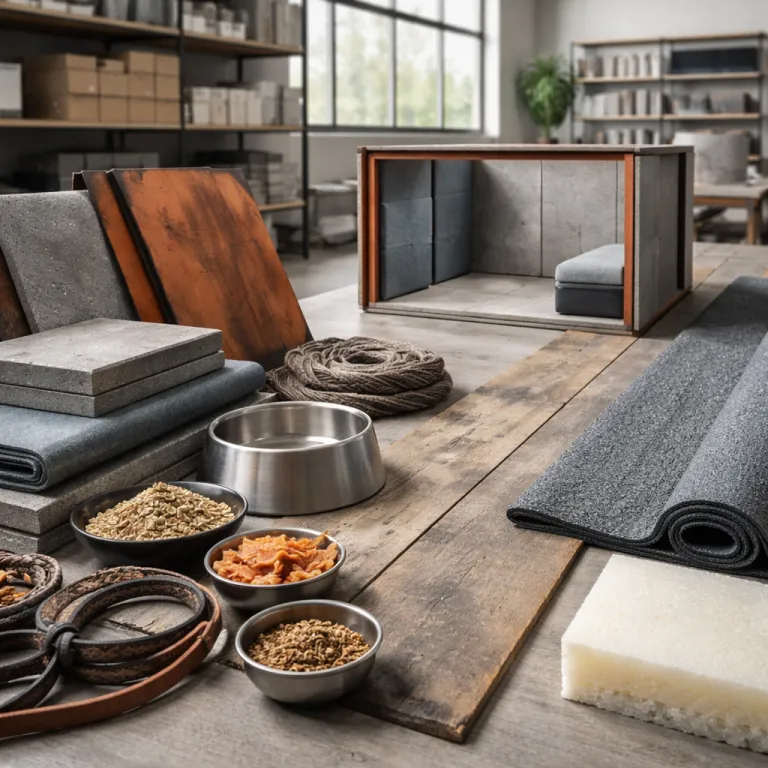
Luxury pet hotel design for premium families
The three eras of luxury pet hotel design
Luxury pet hotel design has moved far beyond the kennel at the back. Upscale hotel owners now treat every pet as a valued guest, shaping each boarding facility and pet resort around animal comfort, family expectations and refined aesthetics. This shift matters for premium families who want a hotel where the dog and cat feel genuinely welcome, not merely allowed, whether they are booking a city break in a luxury pet hotel in Los Angeles or a coastal resort in California.
The first era centred on a basic dog kennel or a functional pet boarding shed, usually hidden from the main rooms and lobby. Pet care meant safe cages, a concrete floor and minimal interior design ideas, with the boarding building clearly separated from human spaces. These early pet hotels focused on hospital design style practicality rather than luxury pet experiences, and the layout rarely considered how a child might visit the family dog during a holiday.
The second era brought in-room tolerance, where a standard hotel room quietly accepted a pet. Properties added a dog bed, a bowl and sometimes access to dog daycare or simple pet grooming, but the overall boarding design still felt like an afterthought. Families appreciated the flexibility, yet the interior layout, floor plans and facility ideas remained human first and animal second, with little attention to dog grooming, cat comfort or integrated daycare design.
The current era is fully integrated welcome, where luxury pet hotel design informs the entire facility. Architects and interior designers collaborate with veterinarians and pet owners so that every room, corridor and spa zone respects animal behaviour and premium family routines. In this integrated model, the pet hotel becomes part of the main hospitality narrative, with dog boarding suites, grooming salon spaces and dog daycare lounges positioned as proudly as the human spa or restaurant. At properties such as the Fairmont Miramar Hotel & Bungalows in Santa Monica, for example, pet welcome amenities, outdoor relief areas and dedicated pet menus are planned alongside human services rather than added later.
Architectural choices that signal a genuinely pet aware hotel
Architecture is where a luxury pet hotel design either succeeds quietly or fails loudly. The smartest properties map pet circulation paths that run parallel to guest routes, allowing a dog or cat to move from room to grooming salon or spa terrace without crossing the most formal areas. This boarding design approach keeps the atmosphere calm for non pet guests while giving premium families the confidence to navigate the facility with ease.
In well planned pet hotels, floor plans show clear zoning for dog daycare, pet grooming and pet boarding suites, often on lower floors with direct outdoor access. A dedicated boarding facility wing may include a dog kennel cluster, cat friendly rooms and a small hospital design inspired treatment room for basic veterinary care. When you study a hotel map before booking a pet hotel stay in Los Angeles or California, look for these design ideas just as carefully as you check pool size or restaurant layout, then compare them with specialist guides on how to book pet friendly suites for a luxury stay in Los Angeles and California.
Thoughtful boarding building architecture also considers acoustics, odours and light. Designers use sound absorbing materials between rooms so one anxious animal does not unsettle an entire dog boarding corridor. They specify non slip floor finishes, integrated drainage and natural daylight in dog grooming and daycare design spaces, creating a boarding facility that feels more like a calm spa than a noisy kennel. At Best Friends Pet Hotel locations, for instance, glass fronted suites, acoustic panels and daylight filled playrooms are used to reduce stress and echo.
For premium families, the most reassuring facility ideas include separate pet elevators, discreet service corridors and direct access from parking to pet hotel zones. These circulation choices mean you can arrive late with children, luggage and a tired dog without parading through a crowded lobby. When a hotel invests at this level, the luxury pet experience becomes part of the core brand rather than a side business, and the property can confidently market itself as a truly pet friendly hotel rather than simply allowing animals.
Inside the pet suite: layouts, materials and multi species comfort
Step into a well designed pet hotel suite and the difference is immediate. The room layout anticipates how a dog, cat and family will actually live together, from sleep to play to quiet time. You notice durable yet soft floor finishes, low level windows for animal viewing and interior design pet details that feel intentional rather than cute.
In the best luxury pet hotel design projects, architects treat each pet room almost like a small apartment. There may be a raised dog bed platform, a separate cat perch, built in storage for leads and toys, and a glass door to a private outdoor run attached to the boarding building. Designers talk about design dog and design pet principles, meaning they adapt scale, materials and lighting to animal needs, not just human aesthetics, and they often draw on insights from resources such as when the room knows the dog, which explores design choices that signal real pet welcome.
Premium families should look for suites where the interior finishes balance hygiene and comfort. Non porous wall panels, coved floor edges and integrated drainage support hospital design level cleanliness, while warm colours, soft textiles and daylight keep the rooms from feeling clinical. A well planned boarding facility will also separate feeding, sleeping and toileting zones within each room, which helps both dog boarding guests and cats feel secure and reduces stress related behaviour. Studies published by veterinary behaviour specialists consistently link clear zoning and predictable routines with lower anxiety in boarded animals.
Multi species layouts are especially important for families travelling with more than one animal. Some pet hotels now offer interconnecting rooms for pets, with a shared play area and separate sleeping dens, echoing the way adjoining human rooms work for children. This kind of boarding design respects the social nature of many animals while still allowing staff to manage care, cleaning and safety efficiently, and it mirrors the flexible suite concepts now common in high end family resorts.
Service layers: grooming, daycare and the rise of the pet concierge
Architecture sets the stage, but service turns a good pet hotel into a great one. A luxury pet focused facility now layers grooming, daycare and spa style experiences around the core boarding rooms, mirroring the way human guests move between suites, restaurants and wellness areas. For premium families, this means your dog can enjoy dog daycare while you explore the city, then return to the room freshly relaxed from a dog grooming session.
Many leading pet hotels integrate a full grooming salon adjacent to the boarding facility, with glass walls so owners can observe pet grooming without crowding the staff. A separate wet zone for bathing, a calm drying area and a quiet nail care corner all reflect serious boarding design thinking. When evaluating facility ideas online, look for clear descriptions of the grooming spa layout, staff qualifications and how the hotel separates noisy dog kennel areas from tranquil salon rooms. In Los Angeles, for example, several boutique pet resorts now publish floor plan sketches and grooming zone photos so families can assess the environment before booking.
The pet concierge role is the newest layer in luxury pet hotel design. This specialist curates walking routes, arranges sitter services, books training sessions and coordinates with veterinarians for on call hospital design support when needed. As one industry overview from the American Pet Products Association notes, spending on pet services has risen steadily alongside demand for “spacious suites, grooming services, play areas, and personalized care,” and many facilities now highlight their safety and health protocols as a core part of the offer.
For families, the most valuable concierge services are often the simplest. You want a printed map of shaded walking loops, a list of dog friendly cafés within 500 metres and a plan for rainy day daycare design activities that keep both children and animals occupied. For a deeper look at how these amenities translate into real stays, consult curated guides to pet friendly hotels with pet amenities and luxury stays for you and your furry companion, which highlight properties where service and design work together. Internal hotel guides and in room brochures can also act as quick references so you do not have to search online every time you need a pet service.
What comes next in luxury pet hotel design for premium families
The next chapter of luxury pet hotel design is being written in cities where pet ownership and premium travel intersect. Architects, interior designers and veterinarians are collaborating on facility ideas that weave hospital design standards, smart technology and resort level comfort into a single boarding building. For premium families, this means future trips where the pet resort feels as considered as the main hotel wing.
Several trends are already visible in advanced floor plans and concept layouts. Integrated monitoring systems allow staff to track each dog or cat in real time, while climate controlled rooms, adjustable lighting and sound masking help tailor care to individual animal temperaments. Some boarding facility prototypes include on property training arenas, hydrotherapy pools and spa suites that combine daycare design, dog daycare play zones and quiet recovery rooms for older pets. In concept images and floor plan diagrams, designers now routinely add descriptive image alt text such as “luxury pet hotel Los Angeles floor plan with dog daycare, grooming spa and outdoor run” so digital visitors can understand the layout.
For multi generational families, the design challenge is to align child friendly spaces, adult quiet zones and animal circulation without friction. Expect to see more shared terraces where a dog can relax beside a parent while children play nearby, plus interior corridors that link human rooms directly to pet boarding suites. As the global pet care market grows and eco friendly materials mature, boarding design will likely lean into energy efficient ventilation, low impact cleaning systems and biophilic interiors that keep both people and animals calmer.
When you evaluate future pet hotels, read the floor plans and service descriptions with the same care you give to restaurant menus. Ask how the dog kennel clusters are ventilated, where the grooming salon sits in relation to sleeping rooms and whether the pet hotel team can adapt care for senior animals or nervous cats. The properties that answer clearly are the ones most likely to deliver a genuinely luxury pet experience, not just a marketing line, and they will usually be confident enough to share photos, suite diagrams and detailed descriptions of their boarding facility layout.
FAQ
What amenities do luxury pet hotels usually provide for animals ?
Most luxury pet hotels provide spacious rooms or suites, supervised play areas, structured dog daycare, professional pet grooming in a dedicated salon and access to outdoor runs. Many also offer spa style bathing, massage, training sessions and tailored feeding plans for each dog or cat. High end properties integrate these services into the overall boarding facility layout so that movement between boarding, grooming and play feels seamless, and some now publish annotated suite photos with descriptive alt text so you can preview the environment.
How can I check whether a pet hotel is safe for my pet ?
Safety starts with transparent information about staffing, cleaning protocols and hospital design inspired features such as ventilation and isolation rooms. Before booking, research pet hotel reviews, verify facility certifications and, when possible, tour the boarding building to see the dog kennel areas, daycare design spaces and grooming rooms in person. Look for secure fencing, non slip floor finishes, clear emergency procedures and staff who can explain how they manage different animal temperaments.
How much does a stay at a luxury pet hotel usually cost ?
Prices vary widely by city, level of luxury and the range of services included. As a general guide, a night in a well equipped boarding facility or pet resort can range from the cost of a mid range human hotel room to that of a premium suite, especially when grooming, daycare and spa treatments are added. Always compare what is included in the base rate, such as play sessions or dog daycare, before deciding which pet hotels offer the best value for your family.
What should premium families look for in pet friendly suite design ?
Premium families should prioritise suites where the layout clearly separates sleeping, feeding and toileting zones for the pet, and where materials support both hygiene and comfort. Check that there is enough floor space for a dog bed, a safe spot for a cat carrier, and easy access to outdoor relief areas or daycare design zones. It is also worth asking how close the room is to the boarding facility, grooming salon and main exits, especially if you are travelling with children and multiple animals.
Are luxury pet hotels suitable for older or medically fragile pets ?
Many luxury pet hotels are suitable for older or medically fragile animals, but you need to confirm details in advance. Look for hospital design influenced features such as non slip floors, ramps instead of stairs, quiet rooms away from the busiest dog daycare areas and staff trained to administer medication. In complex cases, ask whether the boarding facility has a relationship with a nearby veterinary clinic and how they handle emergencies during the night.