1. Rethinking how to choose a pet-friendly hotel for real comfort
Most travelers start with a simple filter that shows pet friendly hotels and then stop there. When you travel with a pet for business or leisure, you need to treat the hotel pet decision with the same scrutiny you give to Wi-Fi speed or meeting room access. The right friendly hotel will shape your entire stay, from the first lobby step to the last late night walk.
Begin by asking not just whether pets allowed appears on the website, but how that pet policy is applied at the property level. Hotel management writes pet policies and hotel staff enforce them, so you must understand both the written rules and the on site culture toward pets and dogs. Use hotel websites, review platforms and travel forums to find pet stories from guests who actually did bring dog companions, then compare how different hotel chains handle issues like noise, cleaning and common areas.
Data from the American Hotel & Lodging Association (AHLA) Lodging Survey 2022 indicates that roughly 60 % of U.S. hotels accept pets, yet the experience varies dramatically between a highway inn and a flagship city hotel (see AHLA Lodging Survey 2022, summary tables on pet policies, pages 42–44). Luxury friendly hotels often charge higher pet fees but may offer better pet areas, while midscale brands sometimes allow dogs with minimal amenities beyond a bare room. Your goal is to find pet focused properties where the pet fee buys genuine comfort for both pets and humans, not just permission to enter.
2. Reading the fine print on pet policy, pet fee and hidden costs
The first serious filter in how to choose a pet friendly hotel is the fee structure, not the marketing tagline. A 2023 analysis by the pet travel site BringFido found that most pet friendly hotels charge some form of fee, with typical ranges between 30 and 150 dollars per stay, while higher end properties may reach 200 dollars or more (BringFido Pet Travel Trends 2023, fee distribution charts, pages 5–7). You need to know whether the pet fee is per night, per stay or a refundable deposit layered on top of non refundable pet fees.
When you call the front desk, ask the hotel management to explain every pet policy line in plain language. Clarify whether the hotel pet charge is a nightly surcharge, a one time cleaning fee or a security deposit that returns at check out if the room remains undamaged. Request the full list of pet policies in writing by email, including any extra fees for multiple dogs, oversized pets or deep cleaning after an extended stay.
Policies around pets allowed can differ even within the same hotel chains, so never assume that one Hilton or one Best Western follows the same rules as another. In coastal destinations, some elegant properties that market themselves as dog friendly hotels quietly restrict pets to specific floors or older suites, so always ask which room types actually allow dogs. Before booking, compare the total cost of pet fees at several friendly hotels in your chosen area, then weigh that against the amenity package and neighborhood value, using curated guides such as this overview of coastal pet-friendly stays in Biloxi as a benchmark for fair pricing.
3. What the pet fee really buys: amenity checklists and room realities
Once you understand the pet fee, the next question in how to choose a pet friendly hotel is what that money actually buys. Many hotels pet policies promise a warm welcome for pets, yet industry snapshots from AHLA and pet travel platforms suggest that nearly one third of properties provide little more than a hard floor and a water bowl (AHLA Lodging Survey 2022, amenity breakdown, page 46; BringFido Pet Travel Trends 2023, amenity index, pages 8–9). In the luxury and premium space, the best friendly hotels treat the pet as a genuine guest, not a tolerated add on.
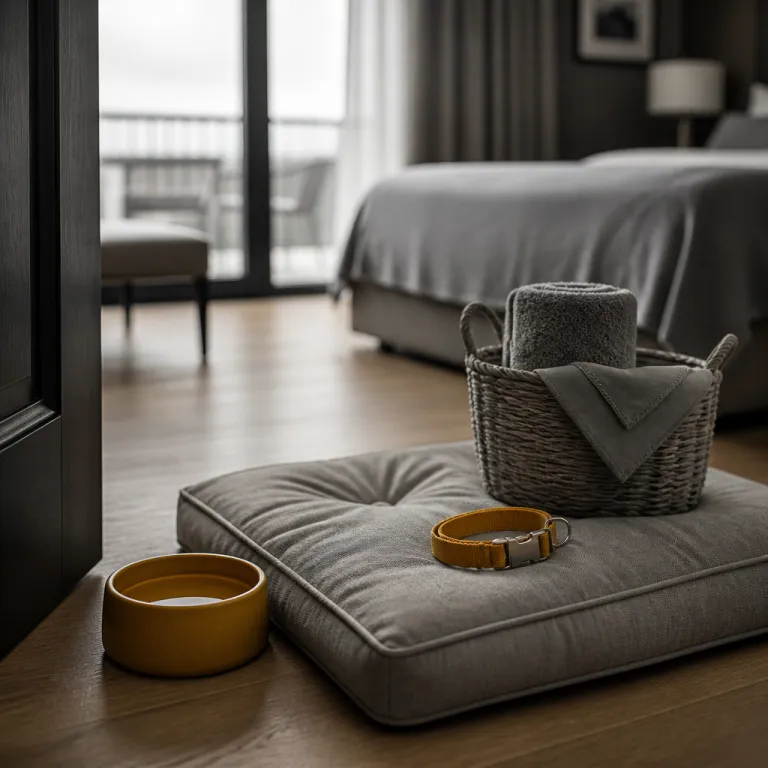
Ask the front desk to list every pet amenity linked to the pet fee before you complete your booking. At a well run friendly hotel, the room should include a proper dog bed, food and water bowls, waste bags and sometimes a small welcome treat for dogs, while common areas should feature clearly signed relief zones and easy outdoor access. Some brands set the standard here, such as Virgin Hotels where dogs of any size stay free with a bed, bowls, treats and even a branded bandana, or Kimpton and Sonesta PAWS where the pet policy removes breed and weight limits.
Compare that level of care with more basic hotels that allow pets but deliver almost nothing beyond permission to enter the room. When evaluating hotels pet options, look for properties that design the entire walking route thoughtfully, from elevator placement to exit doors, as explored in this analysis of how the best pet hotels design around the route outside. A higher pet fee can be justified if the hotel pet experience includes real amenities, easy access to outdoor areas and staff who know the nearest off leash park by name.
4. Policy durability, enforcement and what really happens on property
Another overlooked part of how to choose a pet friendly hotel is whether the rules you read online will still apply when you arrive. Pet policies can shift quickly after a management change, a renovation or a brand conversion, especially in large hotel chains. That is why you should always confirm the current pet policy directly with the front desk within the week before your stay.
During that call, ask how hotel staff enforce the rules about pets allowed in common areas, elevators and restaurants, and how flexible they are in practice. Some friendly hotels technically allow dogs but confine them to back stairwells and side entrances, which turns every walk into a logistical headache. Clarify whether you may leave pets alone in the room, because policies vary widely and, as one expert summary notes, “Policies vary; some hotels allow it, others require supervision.”
To make that conversation easier, prepare a short script before you dial. For example: “I’m traveling with a [size] dog. Can you confirm your current pet fee, whether it is per night or per stay, any weight or breed limits, whether dogs can be left unattended if crated, and which room types and floors are pet friendly?” If the answers feel vague or inconsistent, treat that as a red flag and find pet options where the hotel management has trained the équipe properly and where pet policies are applied with both clarity and empathy.
5. Neighborhood intelligence: relief areas, walking routes and pet friendly scenes
Even the most generous pet policy cannot compensate for a poor location, so neighborhood research is central to how to choose a pet friendly hotel. A polished lobby means little if you must walk 800 metres along a busy highway before your dog finds a safe patch of grass. For business leisure travelers, the best friendly hotels balance meeting access with quick routes to quiet outdoor areas.
Use mapping tools to find pet friendly parks, waterfront promenades and shaded streets within a 500 metre radius of your chosen hotel. Call the front desk and ask which specific areas local dog owners use before you finalize your booking, then cross check that information with recent guest reviews that mention dogs. In cities like Lubbock or Biloxi, curated guides such as this selection of elegant pet-friendly hotels for upscale stays with pets can highlight properties where the surrounding neighborhood is as dog friendly as the lobby.
Pay attention to practical details such as late night lighting, pavement temperatures in summer and proximity to veterinary clinics or emergency hospitals. A truly friendly hotel will have a printed map of walking routes, pet friendly cafés and safe relief areas, often prepared in partnership with local pet travel services. One frequent traveler described choosing a Biloxi hotel specifically because the front desk emailed a PDF map of shaded morning routes and listed two nearby emergency vets, a level of neighborhood intelligence that signaled a genuine pet culture. When you find pet focused properties where staff can name the nearest off leash park and recommend a dog friendly terrace for breakfast, you know the hotel pet culture extends beyond the marketing copy.
6. Comparing hotel chains, brands and specific properties for pet value
Brand reputation still matters when you evaluate how to choose a pet friendly hotel, but you need to look beyond logos. Some hotel chains, such as Kimpton or Sonesta with its PAWS program, have built a clear identity around welcoming pets without restrictive pet fees. Others, including many full service Hilton properties, allow dogs yet apply weight limits, higher fees and tighter rules around common areas.
Value focused brands like Red Roof and Best Western often position themselves as reliably pet friendly hotels, especially along major driving routes. These hotels allow pets in a high percentage of locations, but the quality of the room, the surrounding areas and the enforcement of pet policies can vary by property. Always read recent reviews that mention dogs and filter for comments about cleanliness, noise and how staff handled issues such as barking or requests to bring dog crates into suites.
When comparing individual hotels pet offerings, build a simple matrix that lists pet fee type, maximum number of pets allowed, amenity list, neighborhood quality and flexibility of the pet policy. Give extra weight to properties where hotel management has removed breed and size restrictions, where hotel staff can recommend local dog friendly venues and where the pet fee clearly funds tangible benefits. Over time, you will assemble your own shortlist of the best friendly hotels for both quick business overnights and longer leisure stays, anchored in real experiences rather than generic brand promises.
Key figures for pet-friendly hotel stays
- AHLA’s Lodging Survey 2022 reports that around 60 % of U.S. hotels now allow pets, yet the level of pet friendly service ranges from minimal access to fully integrated amenities (AHLA Lodging Survey 2022, executive summary and pet policy tables, pages 10 and 42–44).
- Analysis from the pet travel platform BringFido suggests that typical pet fees cluster around 30–150 USD per stay, while some luxury properties charge between 150 and 250 USD depending on brand and location (BringFido Pet Travel Trends 2023, fee analysis, pages 5–7).
- Industry research summarized by AHLA and pet travel sites indicates that nearly one third of pet friendly hotels provide only one or two pet amenities, which makes it essential to ask what the pet fee actually covers (AHLA Lodging Survey 2022, amenity distribution, page 46; BringFido Pet Travel Trends 2023, amenity index, pages 8–9).
- Consumer surveys by the American Pet Products Association (APPA) show that almost half of pet owners have rejected otherwise well rated hotels because of poor pet amenities or restrictive pet policies, highlighting the importance of detailed pre booking research (APPA National Pet Owners Survey 2023–2024, travel behavior section, pages 112–115).
- Programs such as Sonesta PAWS and Kimpton’s no fee policy demonstrate a growing trend toward removing breed and weight limits, setting a higher standard for hotel chains that market themselves as dog friendly (Sonesta PAWS program details, policy overview section; Kimpton pet policy overview, brand standards summary).
FAQ about choosing a pet-friendly hotel
What amenities should I expect from a genuinely pet-friendly hotel ?
At a minimum, expect a clean room with hard flooring, a pet bed, bowls and easy access to outdoor relief areas. Many of the best friendly hotels also provide treats, waste bags and a map of local dog friendly routes. Always ask the front desk to list specific amenities before you confirm your booking.
How can I avoid unexpected pet fees during my stay ?
Request the full pet policy and fee structure in writing before arrival, including any per night surcharges, per stay fees or refundable deposits. Clarify charges for multiple pets, oversized dogs or extra cleaning after long stays. At check in, review the folio to ensure the agreed pet fee matches what appears on your reservation.
Are there common breed or size restrictions in pet-friendly hotels ?
Many hotels allow dogs only up to a certain weight, often between 20 and 35 kilograms, and some quietly exclude specific breeds. Programs such as Sonesta PAWS and Kimpton have removed these limits, but other hotel chains still apply them. Always confirm both breed and size rules directly with the property, not just the brand website.
Can I leave my dog alone in the hotel room ?
Policies vary widely, and some hotels require that pets remain supervised at all times. Others allow dogs to stay alone in the room if they are crated and quiet, especially during short absences. Because enforcement happens at property level, call the front desk before arrival and ask exactly what is allowed.
What should I check in the neighborhood around a pet-friendly hotel ?
Look for safe walking routes, well lit relief areas, nearby parks and access to veterinary clinics within a short drive. For business leisure trips, balance proximity to meetings with quick outdoor access for early morning and late night walks. Reading recent reviews from guests who traveled with pets will reveal whether the surrounding area truly supports a comfortable stay.