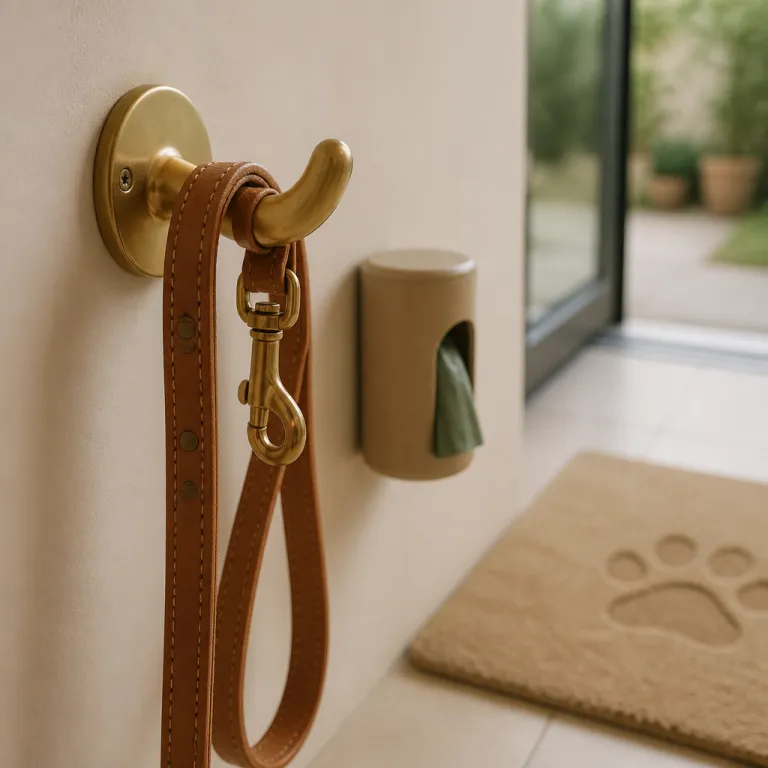
Reading a pet friendly hotel walking route like an insider map
The most reliable test of a pet friendly hotel walking route is whether it feels designed for your pet, not for the marketing photos. A genuinely friendly hotel will hand you a clear map at check in that shows shaded walking trails, dog friendly parks, water bowl stops and even the nearest dog park by name. When that map highlights where dogs are allowed, where pets must be on leash and where open spaces invite a longer stay, you see the hotel’s real priorities.
Luxury friendly hotels increasingly treat the local dog walking circuit as a core amenity, not an afterthought hidden behind spa brochures. Many properties now provide a printed or digital pet friendly walking map that layers park paths, safe pavements, low traffic streets and green squares into one elegant circuit for pet owners who want a stress free first outing. At Hotel ZaZa Houston Museum District, for example, staff often recommend a short loop that links the hotel entrance to Hermann Park’s Marvin Taylor Trail and back, avoiding the busiest intersections. When the suggested route is carefully located to avoid noisy roads and includes easy access back to the lobby for a quick water break, both pets and humans relax faster.
Look closely at how the hotel describes its pet friendly and dog friendly promise on that map. Does the legend specify where your furry companion can run, where your furry friend must heel and which friendly amenities such as waste bags and water bowls are actually stocked? A thoughtful canine walking plan will also mark late night lighting, emergency vets in town and any fort, monument or park where dogs are not allowed, which quietly signals that the property understands real life with pets. In Galveston, for instance, many coastal hotels highlight that dogs are allowed on most public beaches but must remain on leash under the City of Galveston Code of Ordinances, giving you clear expectations before you step onto the sand.
The concierge test and why five minutes outside beats any welcome treat
The quickest way to judge a friendly hotel is to ask the concierge for the best early morning dog walk. If the front desk team can describe a precise pet friendly route, name the closest dog park and explain which nearby parks have off leash hours, you are in the right hotel. In Houston, a well briefed concierge might point you toward Levy Park’s fenced dog run, open daily from early morning until late evening, and sketch a quiet back street approach that avoids rush hour traffic. When they hesitate, shuffle papers or simply point you to the nearest patch of grass, you know pets are tolerated rather than truly welcomed.
For a premium stay, the concierge should know which walking trails stay quiet at sunrise, which park paths flood after rain and which streets offer easy access to coffee on the way back. In coastal town settings, such as elegant pet friendly hotels on Galveston Island for refined coastal escapes, the best teams will outline tide friendly, dog friendly stretches of sand and show exactly where dogs are allowed on the beach. Many will reference local rules, such as Galveston’s requirement that dogs remain leashed and that owners carry waste bags at all times. One Houston concierge described their approach this way: “We start with a five minute comfort loop, then add a longer park circuit for guests who want a real walk before breakfast.” That level of detail turns a basic hotel walking loop into a curated experience for both dogs and pet owners.
The five minute loop outside the lobby matters more than any free biscuit at check in. A short, safe circuit with open spaces, lighting and clear signage lets you leave pet anxiety behind and start the day in a calm, stress free rhythm. In practice, this might mean a 400 to 600 metre rectangle around the block that includes at least one small park or planted square, two safe crossings and a clearly marked bin for waste. When a hotel offers that kind of route, backed by staff who genuinely welcome pets and can adapt the walk for senior dogs or high energy pets, the welcome treat becomes a pleasant extra rather than the main event.
Urban versus rural routes: how location shapes the pet friendly stay
City friendly hotels live or die by the quality of their sidewalks, crossings and nearby green pockets. In dense urban areas, the best pet friendly hotel walking route will weave through quiet side streets, pocket parks and riverside paths that keep dogs away from heavy traffic and blaring horns. A strong example is a central friendly hotel located near a linear park, where pets can follow long walking trails without constant stops at traffic lights. In Austin, guests at hotels near the Ann and Roy Butler Hike-and-Bike Trail can step onto a long lakeside path within a few minutes, turning a simple bathroom break into a scenic outing.
Rural hotels, country inns and wine estate stays play a different game, with wide open spaces and softer sounds. Properties like dog friendly wineries in California’s Sonoma Valley show how a mapped loop through vineyards, meadows and forest trails can turn a simple walk into a slow, sensory tour for both pet owners and their furry companion. Many estates mark 1 mile and 3 mile options on printed cards, noting where dogs are allowed off leash under local county rules and where wildlife protection zones require stricter control. In these settings, the main dog walking circuit often starts directly from ground floor suites, giving easy access to outdoor paths without passing through busy dining rooms.
Suburban and gateway town hotels sit somewhere between those two extremes. In places such as elegant pet friendly hotels in Houston for discerning travelers and their companions, the smartest teams link city park trails with quieter residential streets to create layered options for short or long walks. A typical plan might include a 10 minute loop for late night needs, a 25 minute circuit that passes a neighborhood green and a 45 minute route that reaches a full dog park. Whether urban or rural, the constant is that dog friendly design means thinking beyond the lobby and aligning rooms, exits and amenities around the daily rhythm of dogs and pets on the move.
Designing from the ground floor up: rooms, exits and real outdoor access
In a serious pet friendly property, ground floor allocation is a design strategy, not a last minute note on the reservation. Pet hotel designers and pet hotel operators now work with landscape architects to position pet friendly suites near side exits that open directly onto lawns, dog friendly parks or safe paths, rather than onto a car park. This approach turns the first and last walk of the day into a calm ritual instead of a stressful dash through public spaces.
Architects focused on pet friendly stays use tools such as pet behavior studies and client feedback surveys to refine how pets move from bed to door to grass. Industry surveys consistently show that easy outdoor access ranks as a top priority for many dog owners when choosing lodging, a data point designers now treat as a brief. Their methods include incorporating direct access to outdoor areas, designing indoor play spaces and ensuring proximity to walking routes so that every daily outing begins just a few steps from your room. As one expert summary puts it, "Direct outdoor access in pet hotels allows pets to reach walking areas quickly, enhancing their comfort and exercise opportunities."
For guests, the impact shows up in small, practical details that shape the stay. A friendly hotel that welcomes pets will often cluster dog friendly rooms near a discreet exit, keep water bowls by that door and signpost the main walking trails with clear arrows. Some properties add a simple checklist at the exit—leash, bags, key card, water—to help guests heading out in a hurry. When pet fee policies are transparent, when dogs are allowed in certain lounges and when friendly amenities such as towels for muddy paws are placed near the exit, you feel the entire building has been planned around the great outdoors rather than just the lobby.
Evaluating pet policies, fees and amenities through the lens of the route
Luxury pet friendly travel is no longer about whether a hotel simply allows pets. The real question is how the pet friendly hotel walking route, the pet fee and the on site amenities work together to create a seamless, stress free rhythm for both humans and dogs. When a property offers a high pet fee but cannot outline a safe loop past a single park or dog park, the value proposition collapses quickly.
Thoughtful friendly hotels treat the daily dog walk as a core part of their amenity stack, alongside spa menus and room service. Many now include a curated map, waste bags, water bowls and a list of friendly parks as part of the standard welcome for every furry friend, not just VIP suites. A practical checklist might read: nearest patch of grass within 150 metres, one clearly marked 10 minute loop, one longer 30 minute route, at least one dog park within a 15 minute walk or short drive, and written guidance on local leash laws. If you want to go deeper into how top tier properties elevate this experience, look at guides to luxury pet friendly hotels with room service for discerning travelers and their companions on specialist platforms such as pet friendly stay.
Before you book, read the pet policy through the lens of daily movement. Check whether dogs are allowed in elevators, whether you can leave pet companions unattended briefly, and whether there is easy access to outdoor areas from your floor or only from the main lobby. Hotels that truly welcome pets will describe nearby walking trails, park paths and open spaces in the same confident detail they use for their restaurants, which is the clearest sign that the dog walk really does start at the lobby.
FAQ
What features define a genuinely pet friendly hotel walking route?
A genuinely pet friendly hotel walking route connects your room to safe, well lit paths, friendly parks and at least one dog park without complicated road crossings. It should include clear information on where dogs are allowed off leash, where pets must stay on leash and where water bowls or waste bags are available. When that route offers easy access from ground floor rooms and avoids noisy, high traffic streets, it usually reflects a hotel that truly welcomes pets.
Why is direct outdoor access from my room so valuable for pets?
Direct outdoor access from your room shortens the gap between your dog’s needs and the nearest patch of grass. This layout reduces stress for both pets and pet owners, especially during late night or early morning walks when lobbies and lifts feel slow. It also encourages more frequent, shorter walks along nearby walking trails or park paths, which supports better behavior and calmer stays.
How can I assess a hotel’s pet policy beyond the stated pet fee?
Start by asking the hotel to describe its main pet friendly hotel walking route and the closest friendly parks or dog park by name. Then check whether the pet fee includes friendly amenities such as bowls, beds and maps, or whether it only covers cleaning. A hotel that can explain where dogs are allowed, how long you may leave pet companions alone and which open spaces are safest usually offers better value than one that simply charges a high fee.
What should I look for in urban pet friendly hotels with limited green space?
In dense cities, prioritize friendly hotels located within a short walk of a park, river path or linear greenway. Ask whether there is a mapped loop that links quieter streets, small squares and any nearby dog park into a coherent pet friendly walking route. When staff can guide you to specific walking trails and provide tips on quieter times of day, your urban stay becomes far more comfortable for your furry companion.
How do pet hotel designers and operators improve the walking experience over time?
Pet hotel designers and pet hotel operators use architectural design software, pet behavior studies and guest feedback to refine how pets move through a property. They adjust the location of pet friendly suites, exits and outdoor areas to create smoother access to walking routes and open spaces. Over time, this data driven approach leads to friendlier layouts, safer park trail connections and more intuitive routes that start right at the lobby door.