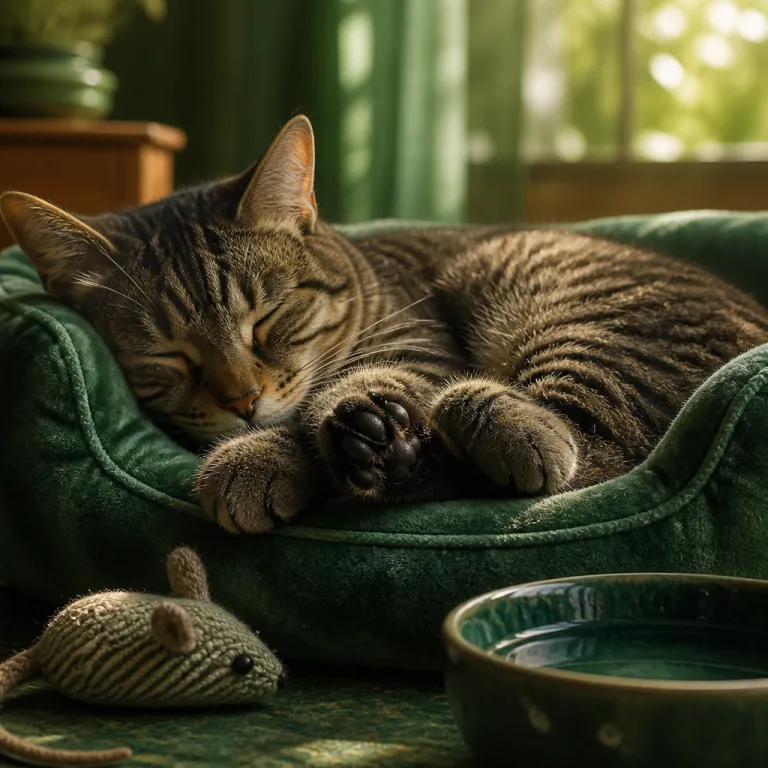
What a truly cat friendly hotel looks like
A genuinely cat friendly hotel starts long before you unlock the hotel room door. The best friendly hotels think about how a cat experiences corridors, smells, noises and light, then design the stay so your pet can decompress rather than endure. When you travel with cats, you quickly see which hotels only allow pets on paper and which locations actually welcome them.
Look first at the pet policies, because policies vary dramatically between hotel chains and even between locations of the same brand. Many hotels say pets allowed or that the property allows pets, yet the fine print shows that the pet fee, cleaning fees and any additional fees vary by location and sometimes by room category. When you read that pet policies vary, assume the pet fees and any pet friendly promises will also vary location by location, so you must verify every policy before you book.
A cat friendly hotel will address litter logistics explicitly, not as an afterthought. At the premium end, some suites include a discreet pets room or alcove where you can place a litter box away from food bowls and your bed, which keeps both cat and human comfortable. When a hotel provides a covered litter box, spare litter and a mat as part of the pet fee, that is a strong signal that cats, not only dogs, are part of the guest experience.
Noise management is the next non negotiable for a feline stay. Ask for a quiet hotel room on a low traffic floor away from lifts and ice machines, because a nervous cat will react badly to constant corridor activity. Properties that pass the feline test will often place guests with pets in rooms away from dog walking routes, which matters more for cats than for any other pet.
Vertical space is another hallmark of a thoughtful cat friendly approach. The Muse New York, for example, has offered in room cat trees as part of its Pampered Pet Package, which is unusually cat specific for a major brand and shows how a hotel that allows cats can go beyond the basic pet friendly label. When you see scratching posts, window perches and climbing options in suites, you know the hotel understands that cats are not small dogs.
The cat inclusion checklist for luxury stays
Before you commit to any cat friendly hotel, run through a simple but strict checklist. Start with the pet policies and ask the reservations équipe to email the full policy, because policies vary and verbal promises about pets allowed are not enough. You want written confirmation that the hotel allows cats, that the property allows pets in your preferred room category and that any pet fee or other fees will be clearly itemised.
Next, interrogate the litter plan, since this is where most friendly hotels fail feline guests. Ask whether the hotel will provide a litter box, spare litter and a scoop, or whether you must bring everything for your cat, then confirm where in the room housekeeping expects you to place it. A property that shrugs and says pets room cleaning is handled like any other room has probably just repurposed a dog space and has not considered how cats behave.
Room placement is critical for a calm stay with cats. Request a hotel room on a quiet floor away from function spaces, bars and dog event venues, because a cat will be far happier in a secluded location than near a lobby party. When a hotel proactively suggests end of corridor rooms or inner courtyard locations for guests with pets, that attention to detail usually signals a more genuinely pet friendly mindset.
Window safety is another non negotiable item on the checklist. Confirm that windows either do not open fully or have secure restrictors, especially in high rise hotels where a curious cat might push a gap wider during an extended stay. If the property cannot guarantee safe windows in the suites that allow pets, you should treat that as a serious red flag rather than a minor inconvenience.
Finally, clarify the financial side of every pet friendly promise. Ask whether the hotel charges a flat pet fee per stay, a nightly pet fee, or per animal pet fees, because fees vary widely and can change the value equation. When a reservations agent admits that fees vary by room type or that additional fees may be added if the hotel believes extra cleaning is needed, you have the information you need to compare friendly hotels honestly and use tools like the off leash destination vetting guide on how to vet a destination before you book the hotel.
Hotel chains and brands that actually suit cats
Most major hotel chains now advertise some version of a pet friendly policy, yet only a minority have thought seriously about cats. Industry data suggests that roughly thirty percent of hotels accept cats, which means seven out of ten still exclude them or avoid stating a clear policy. Even within the thirty percent that allow cats, the quality of the stay for your pet can vary location by location.
Kimpton Hotels has built a reputation in the United States for welcoming all pets with no size limits and no extra pet fee, which makes it a strong starting point for a cat focused search. Many Kimpton locations offer pet beds and bowls as standard, and some will provide a basic litter tray on request, though you should still confirm pet policies with each hotel because amenities and room placement policies vary. When a Kimpton property says it allows pets throughout the hotel rather than restricting them to a few ground floor suites, that flexibility can be invaluable for a solo traveler with a cat.
Motel 6 sits at a different price point but is surprisingly practical for feline travel. The brand allows up to two cats per room with no extra pet fees, which removes the uncertainty around how fees vary between locations and makes budgeting for an extended stay much easier. You still need to ask about where pets room placement is concentrated, because some locations cluster all pets allowed rooms near busy entrances, which is not ideal for a sensitive cat.
Sonesta Hotels takes a middle path, welcoming cats with a pet fee that can vary location by location. Some Sonesta suites are large enough to create a separate pets room corner for the litter box, which helps keep odours contained and gives your cat a defined territory. Always ask whether the hotel allows cats in higher floor suites, because some locations restrict pets to lower floors for operational reasons.
For international trips, cross check hotel chains against airline rules and corridor logistics. Delta, for example, allows cats in cabin alongside small dogs and domestic household birds, which makes it easier to plan a seamless door to door journey where your cat never leaves your sight. Solo travelers can combine that flexibility with guidance from resources such as the world guide for solo travelers with dogs, which also helps cat owners understand carriers, corridors and transit policies even when the focus is canine.
How to negotiate a feline suitable room and avoid problem properties
Once you have shortlisted a cat friendly hotel, the real work begins with the reservations call. Treat this as a negotiation where you calmly but firmly explain what your cat needs and how the hotel can accommodate those needs within its existing pet policies. A professional reservations agent will appreciate the clarity and will often suggest specific room numbers or locations that suit a feline guest.
Start by asking about floor level, corridor traffic and neighbouring rooms. Request a quiet location away from lifts, ice machines and connecting doors, and explain that your cat will be stressed by constant noise from late night arrivals or dog walkers. If the hotel allows pets only on one floor, ask whether there is a wing or end of corridor section where dogs are less likely to pass your door.
Next, address housekeeping routines and evening access. Ask whether the hotel will suspend turndown service for your room or agree to knock and wait while you secure the cat in a carrier, because unexpected entries can trigger escapes. Properties that pass the feline test will happily note your preferences and add a visible alert to the hotel room file so every staff member knows there is a cat inside.
Some properties are best avoided altogether when you travel with cats. Hotels that host frequent dog shows, sports teams with mascots or lobby heavy events can be overwhelming for a feline, even if the hotel technically allows cats and advertises itself as pet friendly. Corridor loud party hotels and brands that encourage guests to socialise with their dogs in the lobby are rarely the right environment for a nervous cat, especially during an extended stay.
When you compare options, look beyond the headline pet fee and think about the total cost of calm. A slightly higher pet fee at a quiet property with thoughtful pet policies, clear rules about where pets allowed areas begin and end, and staff who understand how to handle a litter box will often deliver better value than a cheaper but chaotic alternative. For more nuance on evaluating premium stays, you can study a detailed review of luxury pet stays in Toronto on experience premium dog friendly hotels in Toronto, then apply the same scrutiny to feline focused trips.
Costs, amenities and emerging trends in feline focused hospitality
Money always shapes how cat owners experience a supposedly pet friendly stay. Industry data suggests that the average pet fee per stay sits around fifty United States dollars, yet the real range is far wider once you factor in brand, location and room category. Some luxury hotels fold pet fees into a package, while others add additional fees for deep cleaning, which can make a short stay unexpectedly expensive.
When you compare a cat friendly hotel with a more generic pet friendly option, ask for a full breakdown of every pet fee in writing. Clarify whether the hotel charges per cat, per room or per stay, and whether pet fees are capped for longer visits such as an extended stay. If the reservations team says that fees vary depending on inspection after checkout, you should assume that the final bill could rise if the hotel decides the litter box created extra work.
Amenities are where the best friendly hotels quietly differentiate themselves. Many properties now offer pet beds and bowls as standard, yet only a few provide cat specific items such as scratching posts, window perches or a dedicated pets room corner for the litter tray. Hotels that invest in these details often see higher guest satisfaction and stronger loyalty from travelers who treat their cat as family rather than luggage.
Innovation in this space is accelerating as demand for feline travel grows. A recent industry note highlighted cat grooming services as an emerging trend in luxury pet hotels, which suggests that more hotel chains will start to design spa style experiences where a cat can be brushed, calmed and returned to the room without stress. As one industry FAQ puts it, "Do all pet-friendly hotels accept cats?" and "Are there extra fees for bringing a cat?" and "What amenities do cat-friendly hotels offer?" — the answers are that not all do, some hotels charge fees and others do not, and common amenities include pet beds and litter boxes.
Looking ahead, expect more brands, from independent properties to global names such as Hilton, to refine how each hotel allows pets and how each property allows cats specifically. The most competitive locations will publish clear pet policies, guarantee that every hotel room which allows cats has safe windows and a sensible litter plan, and train staff so that a guest who travels with pets feels understood rather than tolerated. For solo travelers, that level of clarity turns a stressful logistics exercise into a genuinely relaxing escape with a cat who feels as welcome as you do.
FAQ about staying in hotels with cats
Do all pet friendly hotels accept cats as well as dogs ?
Not all properties that describe themselves as pet friendly will accept cats, even when they say that the hotel allows pets in general. You must confirm that the specific hotel allows cats in your chosen room type and ask whether any policies vary by floor or building. Always request written pet policies so you can rely on more than a generic pets allowed label.
How much are typical pet fees for bringing a cat to a hotel ?
Pet fees for cats vary widely between hotel chains, cities and room categories. Some hotels charge no pet fee at all, others apply a flat fee per stay and many add nightly pet fees that can accumulate quickly during an extended stay. Always ask whether fees vary by location and whether any additional fees may be added for extra cleaning related to the litter box.
What should I pack to make my cat comfortable in a hotel room ?
Bring a familiar litter box or disposable tray, your preferred litter, food and water bowls and a blanket or bed that smells like home. Many friendly hotels will provide basic pet beds, but cats usually relax faster when surrounded by their own things. A collapsible carrier is essential so you can secure your pet whenever staff need access to the room.
How can I keep my cat safe and calm during a hotel stay ?
Choose a quiet location away from lifts and busy corridors, then set up a defined pets room corner with the litter tray, food and hiding spots. Keep the cat in the carrier while you inspect the room for gaps behind furniture or unsecured windows, and use a do not disturb sign plus a note about the cat on the door. Ask the front desk to record that your room contains pets so housekeeping will always knock and wait.
Which hotel brands are known for being genuinely welcoming to cats ?
Kimpton Hotels is widely regarded as one of the most welcoming brands for all pets, with no size limits and usually no extra pet fee. Motel 6 allows up to two cats per room with no additional pet fees, which is useful for budget conscious travelers, while Sonesta Hotels welcomes cats with a fee that can vary by location. Always check each individual property, because even within friendly hotel chains, pet policies can differ significantly.
Sources
Pet Travel Association ; Hotel Industry Report ; Delta Air Lines policy documents.