Why the three-hour rule is redefining the pet road trip hotel summer
Pet owners are quietly rewriting the summer road playbook, and the three-hour rule now shapes where they sleep. Limiting each road trip driving leg to roughly three hours keeps every dog and pet calmer, reduces motion sickness in the car, and makes check in at the next hotel feel like a reward rather than a rescue mission. When you plan this way, you naturally map a chain of pet friendly hotels that sit within a comfortable radius of home, turning a long haul into a series of elegant, manageable stays.
Rover’s 2023 pet travel survey, which found that 63% of pet parents prefer trips within a day’s drive of home, illustrates how regional getaways have become the new norm for dog owners. That shift has made the regional pet road trip hotel summer the real luxury battleground. Instead of one distant resort, families are booking two or three friendly hotels along the road, choosing properties with ground floor rooms, shaded grass, and staff who know the nearest park by name. This pattern suits traveling dogs and children equally well, because every three-hour segment ends with a stretch, a snack, and a cool room where pets can enjoy air conditioning and fresh water before the next leg.
The three-hour rhythm also helps you keep dog safety front of mind, because shorter stints in the car reduce heat buildup and stress during peak summer road traffic. You can plan fuel, bathroom, and hydration breaks around that cadence, making sure pets and people refill water bottles and bowls at the same time. As one Bay Area couple who drove from San Francisco to Palm Springs in July 2023 put it, “Stopping every few hours turned the drive into a string of mini-vacations instead of one long slog, and our dog arrived relaxed instead of wired.” For premium travelers, this is not about rushing; it is about curating the best sequence of dog friendly stops so that each stay feels intentional, not improvised at the last highway exit.
Top three-hour pet friendly corridors in california and beyond
On the West Coast, California is the clearest example of how the three-hour rule shapes a pet road trip hotel summer, especially for families driving between coastal cities and desert retreats. The San Francisco to Carmel corridor, for instance, covers roughly 120 miles via US-101 and CA-156 and typically takes about 2.5 to 3 hours in normal traffic. Along that route, pet friendly hotels such as the Cypress Inn in Carmel-by-the-Sea sit within walking distance of the beach, so leashed dogs can walk to the shoreline at sunrise, then nap in cool rooms while you enjoy lunch nearby. That road stretch often lands just under three hours, which is ideal for a traveling dog that needs a proper break before the next scenic drive.
Head south and the Palm Springs region becomes a natural second hub, sitting within a comfortable summer road radius of Los Angeles and San Diego. The drive from downtown Los Angeles to Palm Springs via I-10 is about 110 miles and usually takes around two hours and fifteen minutes, leaving room for a short rest stop with pets. Many friendly hotels there now highlight shaded courtyards, misted patios, and early morning hiking trails where leashed dogs can explore before desert temperatures climb. For a coastal contrast, Oregon’s shoreline offers refined, pet friendly stays as well, and elegant properties in Lincoln City provide an excellent coastal escape with direct beach access for pets and children; you will find a curated selection in this guide to elegant pet friendly hotels in Lincoln City.
Families who prefer green over ocean should look at routes that link one state park to another, keeping each drive within that three-hour comfort band. A classic pattern pairs a national park with a nearby town that has several dog friendly hotels, so you can hike shaded trails by day and return to a polished hotel stay at night. For example, many travelers drive the 150-mile route from Portland to Cannon Beach and then on to Astoria in two manageable segments, staying at a pet friendly inn near the sand before continuing north. Whether you are threading through redwood groves or coastal bluffs, the key is to match each road segment with a property that welcomes pets as warmly as people, not just as an afterthought.
What makes a true road trip pet hotel work for families
Not every pet friendly listing deserves a place on your summer road itinerary, because a real road trip pet hotel is designed around how dogs and children actually arrive. Ground floor or near-elevator rooms matter when you have a tired trip dog, a stroller, and a luggage cart to manage in one sweep. So do wide corridors, direct access to a grassy relief area, and a lobby team that offers a water bowl before they ask for a credit card.
Look for friendly hotels that publish clear pet policies, weight limits, and fee structures before you book, because transparency is a strong signal that pets are genuinely welcome. Platforms such as BringFido and PetsWelcome remain useful tools, and you can go deeper with resources that explain the fine print; this detailed guide to pet friendly hotel booking and the fine print is a smart pre-trip read. Amenities like in-room dog beds, easy access to a park, and flexible late arrival policies are not indulgences on a long road trip, they are the details that help dog owners manage fatigue and keep pets settled.
Safety details matter just as much as style, so check whether the hotel can help dog owners with emergency contacts for local veterinarians or late night pharmacies. When you travel with pets, you should always use a proper seat belt harness or secured crate in the car, because a traveling dog that is loose in the cabin is at risk in sudden stops. The best dog friendly properties understand this reality and often provide printed local maps, shaded walking routes, and reminders that you should never leave pets unattended in vehicles during summer heat.
The economics and logistics of the summer road with pets
For many premium families, the shift toward the three-hour rule and the pet road trip hotel summer is not just emotional, it is financial. Airline pet fees for a single trip can easily rival the cost of several nights in midscale or luxury friendly hotels within driving distance, especially if you have multiple dogs. When you add potential cargo charges for a large dog, plus airport transfers and boarding for any pets left behind, the economics often favor a well planned series of road trips instead.
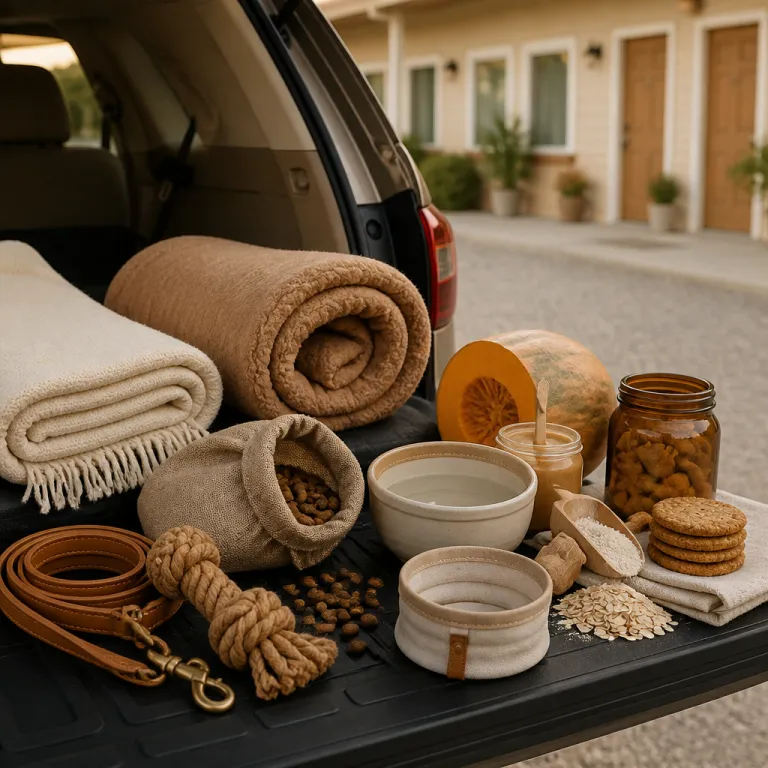
Driving also lets you pack properly for pets, which matters more than most first time travelers expect on a long summer road. You can bring familiar dog food, travel bowls, cooling mats, and spare leashes, along with a small kit to help dog comfort on the move, including wipes, medication, and a favorite toy. Regular stops every two to three hours let you keep dog hydration on track, refill water, and walk in shaded rest areas or near a state park trailhead before getting back into the car.
Heat is the defining challenge of a pet focused road trip, so plan your daily segments around the coolest hours. Aim to reach each hotel before late afternoon, when asphalt and parking lots radiate stored heat that can burn paws and exhaust pets quickly. A mid route stop in a city like San Francisco, where coastal breezes temper summer temperatures, or a detour to a national park with forested hiking trails, can turn a necessary break into the best dog memory of the entire trip.
FAQ
What is the three-hour rule in pet travel ?
The three-hour rule in pet travel means limiting each driving segment to around three hours to keep pets comfortable and reduce stress. This rhythm allows time for bathroom breaks, water, and short walks before everyone returns to the car. It is especially helpful during summer, when shorter stints in the heat are safer for dogs and other pets.
How can I find genuinely pet friendly hotels for a road trip ?
You can start with specialized pet travel websites and hotel booking platforms that filter for pet friendly properties and guest reviews. Look for details such as ground floor access, nearby park space, and clear policies on pets staying alone in rooms. Always confirm pet policies before booking, including fees, size limits, and any restrictions on common areas.
What amenities should I expect from a high end pet friendly hotel ?
Many premium hotels now offer pet beds, bowls, and welcome treats, along with designated outdoor relief areas. Some properties provide maps to nearby hiking trails, dog friendly cafés, and local veterinarians in case you need help during your stay. Hotels offering specialized pet amenities and increased pet travel planning resources are becoming more common as demand grows.
How often should I stop with a traveling dog on a summer road trip ?
Most dogs travel best when you stop every two to three hours for short walks, water, and a chance to cool down. This schedule aligns naturally with the three-hour rule and helps prevent overheating or restlessness in the car. Plan these breaks near shaded rest areas, state parks, or safe sidewalks where leashed dogs can move comfortably.
Is driving with my dog cheaper than flying without them ?
For many families, driving with a dog can cost less than paying airline pet fees plus boarding for pets left at home. When you factor in charges for in-cabin pets, cargo for large dogs, and airport transfers, a series of regional hotel stays often offers better value. The added benefit is that your pet remains with you, which reduces stress for both animals and owners during the summer travel season.