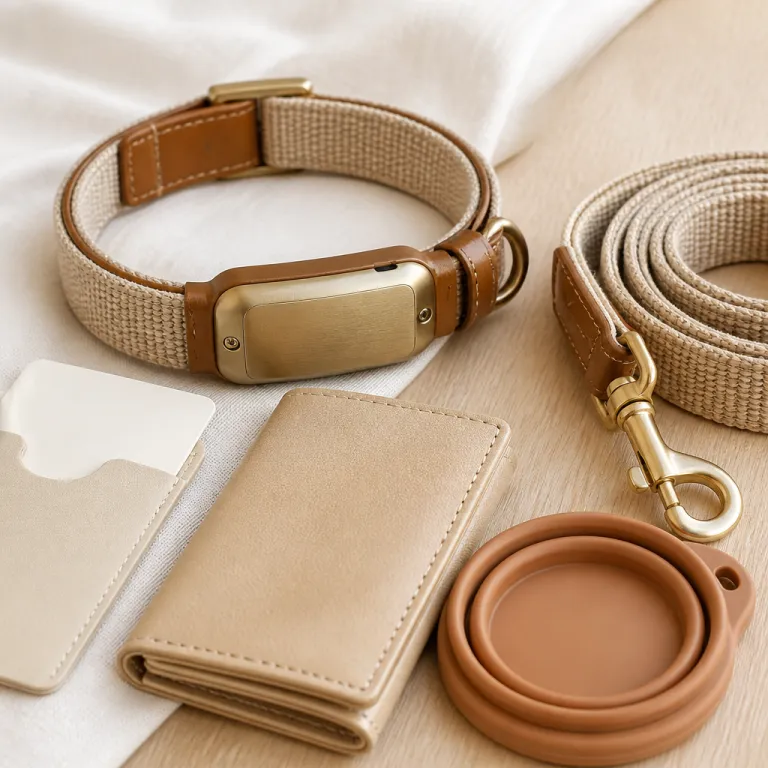
From leash to login: what smart pet collar hotel travel really means
Smart pet collar hotel travel is no longer a niche experiment reserved for tech obsessives. Luxury properties are quietly weaving GPS-enabled collars, Bluetooth-connected trackers and hotel apps into the same ecosystem that already manages your room key and spa booking. For pet owners, that means your dog’s data now travels with you, shaping everything from room assignment to late night walk suggestions and how hotel pet tech supports safety.
At the high end of pet friendly hospitality, the collar is becoming a check in credential as much as a leash accessory. Hotels that take dogs seriously are starting to recognise that a GPS dog tracker with reliable battery life, real time location updates and health monitoring can be as important as a concierge who knows the nearest park. Connected pet travel is about integrating that information into service, not just admiring the hardware on your pet’s neck.
Behind the scenes, three actors are learning to work together in this new ecosystem. Pet owners arrive with their own choice of GPS dog or mini GPS dog tracker, tech companies provide the software bridges and dashboards, and hotel staff are trained to interpret alerts without overstepping privacy boundaries. When this triangle works, the result is a stay where your dog’s comfort, safety and dog location data are treated with the same care as your own preferences.
How wearable data reshapes a pet friendly room, floor and stay
Once a smart collar connects to the hotel network, the data starts to redraw the map of a supposedly pet friendly property. Continuous tracking of movement, rest and vocalisation gives a more honest picture of how dogs actually experience a room than any marketing copy about welcome treats. A corridor that looks quiet on a floor plan may, in real time, trigger repeated stress alerts on multiple collars during peak housekeeping hours.
Hotels that take this seriously are already rethinking where they place guests who travel with dogs. Instead of clustering every pet on the same floor, some properties now use aggregated GPS tracker and time tracking data to identify genuinely calm wings, then reserve those rooms for animals whose collars show higher baseline anxiety. In lakeside destinations, such as elegant pet friendly hotels in Duluth for lakeside stays, the most dog friendly rooms are often those with direct outdoor access and fewer lift dings, not just the ones closest to the lobby.
Wearable data also refines the basics of pet friendly design. If a dog GPS collar shows restless pacing near a balcony, the hotel may add a more secure fence panel or adjust furniture to create a clearer path to the bed. When multiple trackers show that dogs settle faster in rooms with soft corridor lighting and fewer door slams, that evidence can justify expensive acoustic upgrades that benefit human guests as much as pets.
From gps ping to staff action: what a stressed pet alert should trigger
The most interesting shift in smart pet collar hotel travel is not the tracking itself, but how staff respond when a collar sends an alert. A modern GPS dog tracker can combine location updates, motion patterns and even bark analysis to flag when a dog moves from mild restlessness to genuine distress. In a well run property, that alert does not just sit in an app; it becomes a service cue that feeds into clear operating procedures.
On a practical level, hotels are building playbooks around different types of notifications. A simple GPS + cellular location alert that shows a dog edging toward a balcony door might prompt a quick phone call to the guest, while repeated high stress readings could trigger a discreet corridor check by a trained attendant. When collars with health monitoring features flag abnormal heart rate or breathing, some premium hotels now have standing arrangements with nearby veterinary clinics and telehealth services to advise on next steps.
This is where the line between marketing and meaningful tech becomes obvious. Properties that genuinely integrate dog tracker data into operations will have clear protocols, staff training and a defined escalation path, not just a glossy brochure about AI. In one pilot described by a boutique chain at a hotel technology conference, staff used anonymised collar alerts to adjust housekeeping schedules on a single floor, cutting reported noise related dog incidents by roughly a third over a three month trial.
Choosing the right collar and plan for hotel based travel
Before you even think about check in, the quality of your dog’s collar and tracker will shape how useful smart pet collar hotel travel can be. Not every GPS tracker is built for dense urban towers, thick stone walls or sprawling coastal resorts, and not every Bluetooth based device can maintain a stable signal beyond a few metres. For hotel use, you want a device that combines GPS, Bluetooth and, ideally, GPS + cellular or LTE connectivity for redundancy.
Look closely at battery life and the practical duration you can expect between charges. Manufacturers often quote impressive life days, but heavy use of real time tracking, frequent location updates and constant health monitoring can drain even a long battery device faster than advertised. For multi night stays, a tracker with a genuinely long battery and a clear indicator in the app will spare you from midnight charging sessions on the bathroom counter.
Cost structure matters as much as hardware. Some of the best GPS dog trackers require a monthly fee or annual subscription to unlock full GPS + cellular coverage, time tracking history and advanced alerts, while others, such as an Apple AirTag, rely on crowdsourced networks without a formal subscription and are not designed as dedicated pet GPS devices. When you buy a mini GPS collar or one of the better known systems like Tractive GPS, check whether roaming is included, how often the app pushes updates, and whether the plan allows you to share access with hotel staff temporarily during your stay.
| Example device | Typical battery life* | Connectivity | Subscription |
|---|---|---|---|
| Tractive GPS Dog LTE | Up to 10 days (light use) | GPS + LTE + Bluetooth | Required for full tracking |
| Whistle Go Explore | Up to 20 days (manufacturer claim) | GPS + cellular + Wi‑Fi | Required for location and health data |
| Apple AirTag | About 1 year (replaceable coin cell) | Bluetooth + crowdsourced network | No dedicated subscription |
*Battery life figures are based on manufacturer documentation and assume conservative, non continuous tracking.
Data, privacy and the fine print of a connected pet stay
As soon as a hotel links to your dog’s collar, the stay becomes a small biometric experiment, and that raises questions that go far beyond GPS coordinates. Wearable devices now capture heart rate, respiration, sleep cycles and even behavioural proxies for stress, which means your pet’s most intimate data can be generated continuously during a stay. The key question is simple yet rarely asked at check in; who owns that data, and how long is it kept.
Responsible properties treat pet data with the same seriousness as guest data. They will explain whether GPS tracking logs, health monitoring metrics and alert histories are stored locally, shared with tech partners or used to refine hotel operations in anonymised form. When you read a pet policy, look for explicit language about data retention, third party access and whether the hotel can use aggregated dog GPS information to market its pet friendly credentials without exposing individual animals.
Industry research from hotel technology surveys and pet tech market reports suggests that roughly a third of upscale hotels are experimenting with some form of pet technology, and the trend is accelerating as AI enabled collars become more capable. Guidance from veterinary and consumer electronics groups already notes that these devices “provide real-time location and health monitoring” and that “some models do; verify with the manufacturer,” which underlines how fragmented the ecosystem still is. As a traveler, your best defence is to ask direct questions, opt out of unnecessary data sharing, and choose properties whose privacy practices feel as carefully designed as their pet welcome amenities.
To make that easier, hotels should be able to offer clear wording such as: “We access your pet’s location and alert data only during your stay, solely to respond to welfare or safety issues. We do not sell identifiable pet information, and we delete or anonymise collar data within 30 days of check out unless law requires a longer retention period.” As a guest, you can request similar language in writing before you agree to connect your dog’s device.
FAQ
How do smart collars actually enhance pet safety during a hotel stay ?
Smart collars enhance safety by combining GPS tracking, Bluetooth proximity data and, in some models, GPS + cellular connectivity to keep a constant eye on your dog’s location. If a pet slips a leash or noses through a poorly latched fence, real time alerts and precise dog location data help staff and owners locate the dog quickly. Health monitoring features can also flag early signs of distress, prompting faster intervention.
Do all hotels support smart pet collar hotel travel features ?
Only a portion of luxury and premium hotels currently integrate directly with smart collar platforms. Many more are pet friendly in policy but treat the collar as a personal device, without connecting it to their systems. Always check ahead to see whether the property can receive alerts, interpret tracking data and respond appropriately if your dog’s device signals a problem.
Will my smart collar work in any destination or building type ?
Performance depends on the underlying technology and the hotel’s architecture. GPS based trackers can struggle in dense urban canyons or deep inside concrete towers, while Bluetooth only devices may lose contact once your dog is more than a few metres away. For complex properties, a collar that combines GPS, Bluetooth and GPS + cellular connectivity offers the most reliable coverage.
Are smart collars compatible with every hotel system and app ?
Compatibility varies widely because there is no single standard for integrating pet wearables into hotel software. Some tech forward properties partner with specific tracker brands and can see limited data, such as location updates or basic alerts, inside their own dashboards. If you rely on advanced features, confirm with both the hotel and the device manufacturer how much information can be shared during your stay.
What should I do before arriving at a hotel with my dog’s smart collar ?
Charge the collar fully, update the firmware and test GPS accuracy and alert settings on a local walk. Save the hotel address as a safe zone or reference point in the app, and decide in advance whether you are comfortable granting staff temporary access to tracking data. Finally, review the property’s pet tech policy so you understand how your dog’s information will be used, stored and deleted after check out.
For longer road trips with multiple stops, it is worth reading guidance on how pet road trippers choose hotels, as the same principles of planning, rest windows and safety checks apply when your dog is wearing a connected collar from one property to the next.
Suggested further reading (non sponsored) : American Veterinary Medical Association on wearable pet health devices ; Consumer Technology Association reports on pet tech trends ; Cornell University College of Veterinary Medicine resources on canine behaviour and stress.