The rise of the sustainable pet friendly hotel as a true luxury choice
A genuinely sustainable pet friendly hotel treats your animal as a guest, not a marketing prop. In the global sustainable pet accommodations market, the most interesting luxury properties now design pet programs with the same eco conscious precision they apply to their spas and suites. For premium families planning a stay with children and pets, this shift means you can finally align comfort, ethics and style without compromise.
Eco friendly pet travel has moved from niche to recognised subsegment, with the sustainable pet hotel market showing double digit growth according to recent industry reports. That growth is driven by guests who ask how a friendly hotel manages energy, water and waste for every pet friendly room, not just whether pets are allowed. When you compare friendly hotels, the best pet experiences now come from green hotels that publish clear pet policies, track their environmental impact and work with local sustainable suppliers.
Luxury hotels once treated a dog as an add on, offering a token bed and a few waste bags. Today, the leading eco conscious friendly hotels map the full footprint of each furry friend, from food packaging to laundry cycles. For families, this means a dog friendly stay can include walkable neighborhoods, easy access to parks and outdoor terraces, while the hotel quietly optimises energy use, water conservation and waste reduction behind the scenes.
Eco friendly pet hotels are emerging as serious service providers, not just charming anecdotes in marketing brochures. These hotels use renewable energy, energy efficient appliances and eco friendly cleaning products to create healthier environments for pets and owners. When you evaluate any luxury resort or city hotel, ask how its pet policy fits into the wider sustainability strategy rather than sitting in a separate, unmeasured category.
Industry guidance is clear on the fundamentals of an eco friendly pet hotel. As one expert summary puts it, “What makes a pet hotel eco-friendly? Use of renewable energy, water conservation, waste reduction.” For travellers, that means looking beyond the headline claim of a friendly dog welcome and asking how the property’s design forward choices, from flooring to outdoor landscaping, support a lower impact pet stay.
Where the pet-program waste lives: auditing the invisible footprint
The most progressive green pet programs start with a waste audit that follows every item a pet touches. In many luxury hotels, pet specific waste streams such as disposable bowls, plastic wrapped treats and single use toys never appear in sustainability reports, even when the property holds a respected green key or similar certification. For a premium family choosing a sustainable pet friendly hotel, understanding this blind spot is the first step toward a more responsible stay.
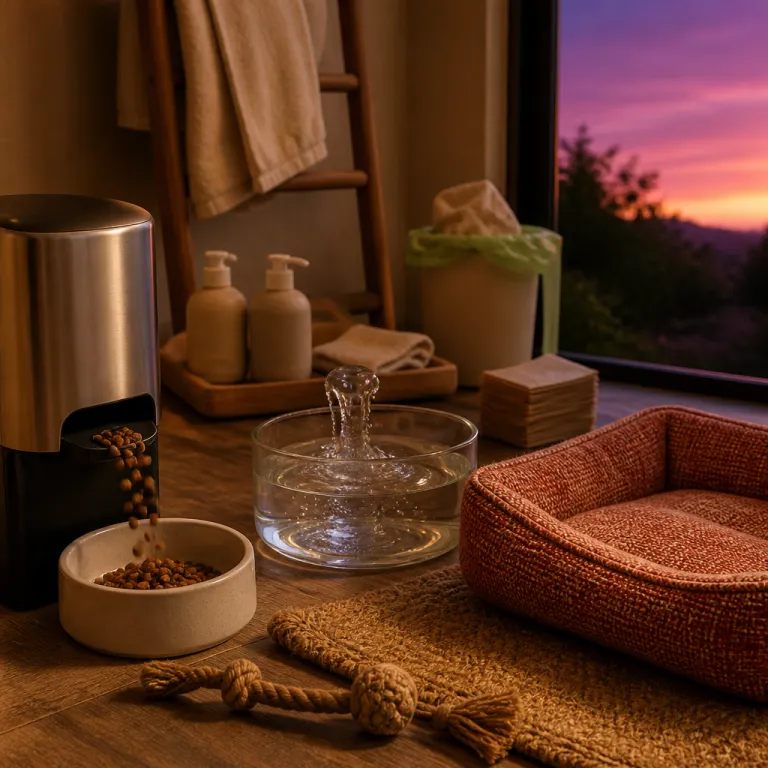
Look closely at what appears in your room when you check in with your dog. A truly eco friendly hotel will provide durable stainless steel or ceramic bowls, washable mats and robust bedding instead of flimsy items destined for landfill after a single stay. The best pet programs now specify that toys, beds and accessories must survive multiple pets, multiple washes and multiple seasons, which dramatically reduces both waste and replacement fees.
Food is another quiet source of impact in pet friendly hotels. Many properties still rely on individually wrapped treats and miniature plastic tubs, even while promoting themselves as green hotels to the broader market. By contrast, an eco conscious friendly hotel will partner with a local kitchen or pet bakery, serving bulk stored treats in reusable containers and clearly explaining how they manage packaging, storage and hygiene.
Outdoor spaces reveal even more about a hotel’s real priorities. A dog friendly lawn dotted with plastic waste bags and single use dispensers may look convenient, yet it often masks a high volume of unnecessary plastic. The most thoughtful resorts now install compostable waste bags, provide clear signage on local disposal rules and design outdoor relief areas that protect nearby waterways and reduce chemical use on grass.
For travellers tracking the evolution of the sustainable pet hotel market, this operational detail matters more than slogans. A recent analysis on which pet hotels are actually going green highlights that projected growth of the pet hotel market by 2033 is 100 percent, yet many properties still treat pet amenities as disposable. When you compare options, ask how many stays each bed, bowl and toy is designed to last, and whether the hotel measures that lifespan as part of its sustainability reporting.
Beyond the certification gap: reading between the green labels
Third party certifications such as LEED, Green Globe and EarthCheck have raised the bar for hotel sustainability. However, a property can hold an impressive plaque in the lobby while its pet program quietly burns through plastic, synthetic textiles and unnecessary laundry cycles. For families seeking a sustainable pet friendly hotel, the challenge is to interpret these labels without assuming they automatically cover every dog friendly detail.
Many green hotels focus their audits on energy, water and construction materials, leaving pet specific operations outside the formal scope. A hotel may optimise its pool filtration system, install LED lighting and track kitchen waste, yet still hand every furry friend a single use plastic bowl and a polyester bed that is discarded after checkout. This certification gap is where eco conscious travellers need to ask sharper questions about pet policies and daily practice.
Start with the basics of the pet policy and ask how it connects to the wider sustainability plan. Does the hotel specify reusable bowls, durable beds and low impact cleaning products for pet friendly rooms, or does it simply state that pets are allowed with certain fees ? The best pet focused properties can explain how they manage pet hair in laundry, how often they replace textiles and how they minimise extra energy use from additional washing.
Local sourcing is another powerful credibility signal in this space. When a friendly hotel can name the workshop that made its dog beds within a 50 kilometre radius, or the bakery that supplies its treats from a nearby walkable neighborhood, you see a concrete commitment rather than a vague eco label. Families should look for design forward choices such as regionally sourced wood for pet furniture, natural fibre covers and refillable toy baskets instead of plastic heavy gift packs.
To navigate the line between genuine progress and greenwash, it helps to consult independent analysis. A detailed guide on what sustainable pet hospitality actually requires shows how some properties market an eco pet program based on a single bamboo bowl. When you see a hotel promoting itself as a friendly dog haven, ask whether that friendliness extends to the planet or stops at the photoshoot.
Energy, water and linen: the hidden cost of a pet friendly stay
Behind every charming pet welcome sits a complex web of energy, water and textile use. A sustainable pet friendly hotel treats these as design questions, not housekeeping afterthoughts, and that mindset shows up in everything from floor coverings to laundry schedules. For premium families, understanding these mechanics helps you choose hotels where your stay with pets does not quietly double the property’s footprint.
Energy is the most obvious starting point, especially in resorts with extensive facilities. Extra cooling load from keeping pet friendly rooms at lower temperatures, power for dog wash stations and lighting for outdoor relief areas all add up across a busy season. Eco conscious hotels respond with smart thermostats, zoned ventilation and motion sensitive lighting, ensuring that a friendly dog welcome does not mean wasteful energy use when the room sits empty.
Water use is equally significant in pet programs, particularly where dog wash stations and outdoor hoses are involved. A thoughtful friendly hotel will install low flow fixtures, recycle greywater where regulations allow and train staff to avoid unnecessary rinsing of patios and paths. Families can ask whether the hotel tracks water consumption for pet facilities separately, which is a strong indicator that the property takes its green pet commitments seriously.
Linen and bedding represent one of the largest environmental costs in any pet policy. Many hotels still default to washing every textile in a pet friendly room daily, regardless of actual use, which drives up both water and energy consumption. The best pet programs now offer guests the choice to reuse certain items, provide dedicated pet throws to protect main linens and invest in durable, easily cleaned fabrics that survive repeated washing without rapid replacement.
Wellness led properties are starting to integrate pet sustainability into their broader design forward philosophy. In hotels where the spa, fitness spaces and pool are already built around low impact materials and efficient systems, pet areas become a natural extension of that thinking. A detailed feature on how wellness led hotels are quietly building pet facilities shows how dog wash zones, grooming corners and outdoor circuits can share infrastructure with human wellness spaces, reducing duplication and resource use.
How to choose an eco conscious pet hotel for your family
Selecting the right sustainable pet friendly hotel starts long before you arrive at reception. The most reliable properties are transparent about their eco friendly practices, publishing clear information on renewable energy, water conservation and waste reduction. When you research, treat the pet policy as a core part of the hotel’s identity rather than a footnote beneath the room descriptions.
Begin by checking whether the hotel lists specific green pet measures rather than generic promises. Look for mentions of reusable bowls, durable beds, compostable waste bags and partnerships with local sustainable suppliers for treats and grooming. If the website only states that pets are allowed with certain fees and weight limits, contact the property directly and ask how they minimise the environmental impact of each pet friendly stay.
Location and layout matter as much as amenities for families travelling with pets. Hotels in walkable neighborhoods with easy access to parks, waterfront paths or safe residential streets reduce the need for car trips to exercise your dog. Resorts with well designed outdoor areas, shaded paths and secure relief zones make it easier to balance children’s pool time with a calm routine for your furry friend, without constant elevator rides and corridor traffic.
On arrival, pay attention to how staff talk about pets and sustainability. In truly friendly hotels, the team can explain where to find the nearest off leash area, how to separate pet waste from recycling and which local businesses support eco conscious pet travel. If you sense that the pet program is a recent add on with little training behind it, the sustainability claims may be equally shallow.
Finally, remember that your choices during the stay influence the hotel’s footprint as much as its infrastructure. Opt to reuse towels and linens where possible, keep your dog off the main bed using the provided throws and avoid requesting unnecessary extra cleaning. By aligning your behaviour with the property’s green goals, you help prove that there is strong market demand for the best pet friendly hotels to keep investing in deeper, more credible sustainability.
FAQ
What makes a pet hotel genuinely eco friendly rather than just greenwashed ?
A genuinely eco friendly pet hotel integrates pets into its main sustainability strategy instead of treating them as an unmeasured add on. That means using renewable energy, conserving water, reducing waste and applying those principles specifically to pet amenities, laundry and outdoor areas. When a hotel can show data on these points and name its local sustainable suppliers, you are looking at real progress rather than marketing.
How can I find a sustainable pet hotel for my next trip ?
The most effective approach is to combine certification checks with direct questions. Start by identifying hotels with recognised green labels, then ask how their pet policy fits into that framework, including details on reusable bowls, bedding, waste bags and laundry practices. If the answers are vague or focus only on pets allowed and fees, keep searching for a property that treats pet sustainability as a priority.
Do eco conscious pet hotels charge higher pet fees ?
Some eco conscious hotels do charge higher pet fees because they invest in durable bedding, high quality cleaning products and staff training. However, these costs are often offset by longer lasting equipment and fewer replacements, which can stabilise prices over time. When comparing options, look at what the fee includes and whether it supports a lower impact stay rather than simply covering extra cleaning.
What questions should I ask a hotel about its pet sustainability practices ?
Useful questions include how often they replace pet beds, whether bowls are reusable, what type of waste bags they provide and how they manage laundry for pet friendly rooms. You can also ask whether they partner with local suppliers for treats and accessories, and if they track water and energy use for pet facilities. Clear, specific answers usually indicate a hotel that takes its responsibilities seriously.
Are eco friendly pet hotels better for my animal’s health ?
Eco friendly pet hotels often use non toxic cleaning products, better ventilation and higher quality materials, which can benefit sensitive pets. Outdoor areas designed with natural shade, safe surfaces and thoughtful landscaping also create a calmer environment for dogs and other animals. For families, this combination of comfort and lower chemical exposure can make the overall stay more relaxing and enjoyable.