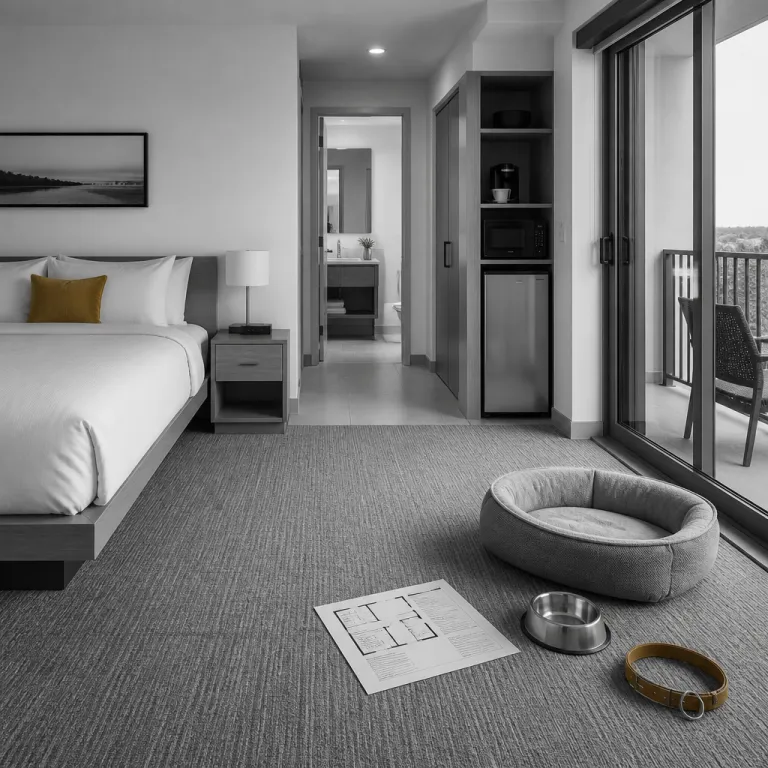
Reading a pet-friendly hotel room layout before you book
A polished photograph of a friendly hotel suite rarely shows the full story. The pet friendly hotel room layout, hidden in a floor plan or schematic, reveals how your stay with a dog or other pets will actually feel. When you travel with a furry friend, the distance from bed to door can matter more than the thread count.
Luxury hotels and mainstream hotel chains now promote pet friendly and dog friendly stays, yet the rooms assigned to pets allowed guests often sit in older wings. In many hotels, the pet policy quietly directs you toward ground floor rooms that have seen deferred renovation, while higher floors remain reserved for guests without dogs or cats. That is why studying the room layout before booking helps you avoid the pet room that is really the room nobody else wants.
Look for clear information about room size, corridor length, and proximity to exits when you book a friendly room for your hotel dog. A compact room can feel elegant in photos, but a floor plan shows whether a crate, dog bed, and luggage can coexist without blocking the path to the bathroom. When you see how friendly rooms connect to elevators, stairwells, and outdoor areas, you can predict how often you will pass other dogs and how much barking your own pets might hear.
Ground floor access, upper floors, and the 6 AM routine
For many pet owners, the ground floor feels like the obvious choice for a pet friendly stay. A ground level friendly room often means faster access to grass, fewer elevator rides with other dogs, and less stress when a furry friend urgently needs to go out. Yet in some hotels, the ground floor pet friendly hotel room layout also means more noise, more foot traffic, and more barking in the corridor.
Upper floors can work beautifully when the hotel dog route is thoughtfully designed. If the elevator opens near a discreet side exit, and the pet policy allows quiet early morning comings and goings, traveling with dogs or cats upstairs can feel calm and civilized. In design led friendly hotels, the distance from room to exit is planned so that dogs, pets, and humans can move without constant encounters that trigger barking or anxiety.
When you review a floor plan, trace the path from your friendly room to the nearest outdoor relief area. Count the doors, corners, and potential bottlenecks where other dogs and pets allowed guests might cluster during peak times. If you see that friendly rooms sit at the far end of a long corridor, remember that every 6 AM walk will involve a quiet march past sleeping neighbors, and any barking will echo the entire way.
Tile, carpet, and what your dog reads in the design
Surface choices in a pet friendly hotel room layout tell you how seriously the property takes pets. Tile or luxury vinyl flooring near the entrance and water bowls signals that hotel management and interior designers have planned for muddy paws and the occasional accident. Carpet under the bed and in lounging zones can still feel plush, but the transition from hard surface to soft shows a balance between easy cleaning and canine comfort.
Hotels that assign pets to older carpeted rooms only, while keeping renovated tile rooms pet free, are quietly signaling that pet fees may not be funding upgrades. In these cases, the pet fee often covers extra cleaning but does not buy you the same design standard as non pet rooms. When you see photos of sleek tile yet the floor plan for friendly rooms sits in a different wing, ask whether pet friendly really means equal quality.
Design forward properties such as Crosby Street Hotel in New York show how friendly rooms can integrate dogs and pets without compromise. Here, the same fabrics, art, and layouts apply whether or not a furry friend is staying, and the pet policy focuses on behavior rather than breed restrictions or harsh weight limits. When a hotel dog can stretch out on a rug that is clearly chosen for durability and style, you know the hotel views pets as guests, not as cleaning problems.
How room size, crates, and layout shape a romantic pet-friendly stay
For a couple planning a romantic trip with a dog, the pet friendly hotel room layout can make or break the mood. A room that looks intimate in photos may feel cramped once a crate, dog bed, and food station are in place. When you travel with pets, square meters matter more than decorative cushions.
As a rule of thumb, anything under about 24 square meters becomes tight for two adults, one hotel dog, and a medium crate. Once you add luggage, a work desk, and a seating area, friendly rooms below this threshold often force you to step over the dog or crate to reach the bathroom. In contrast, larger friendly hotel rooms or junior suites allow you to create distinct zones for sleeping, lounging, and pet care, which keeps the stay feeling luxurious.
Before booking, study the floor plan to see where the bed sits relative to the door and windows. If the only place for a crate is directly in the entry path, every late night return will wake your furry friend and risk barking. When you compare options for a luxury pet suite, resources such as the guide on how to book a luxury pet suite can help you match room categories to your dog’s size and routine.
Balconies, exits, and the choreography of daily walks
Outdoor access is one of the most underestimated elements in any pet friendly hotel room layout. A balcony can be a blessing for fresh air and a quick sniff break, but it is never a substitute for a proper outdoor relief area. When hotels allow pets on balconies, you still need a clear, safe route to grass that does not involve a maze of corridors.
Look closely at how far your friendly room sits from the nearest stairwell or lift that leads to an exit. In some extended stay style properties, friendly rooms cluster near side doors that open directly to landscaped areas, which makes early walks discreet and efficient. In other luxury hotels, pet friendly rooms are buried deep in the building, so every outing becomes a parade past reception and the lobby bar.
For couples seeking a calm, romantic atmosphere, this choreography matters. If your furry friend is prone to barking when excited, a long route past other dogs and people will test everyone’s patience. A well considered layout, where friendly hotels position pet rooms near exits but away from noisy service doors, turns the daily walk into a quiet ritual instead of a logistical obstacle course.
When the “pet room” label hides a downgrade
Many hotels chains quietly use the phrase “pet friendly room” as code for older inventory. These friendly rooms often sit on the ground floor, near service areas, with views of parking lots rather than gardens. The pet fees you pay may cover extra cleaning, but they rarely offset the downgrade in outlook and ambiance.
Design led properties such as Crosby Street Hotel and Alderbrook Resort in Washington show a different philosophy. At Alderbrook, management partners with a local pet supplier to place high quality beds and bowls in friendly rooms, and the layouts match those of non pet rooms in size and finish. This approach treats pets allowed guests as equally valuable, rather than as a separate category to be managed at the edge of the property.
When you compare options, ask whether friendly hotel rooms share the same square footage, views, and renovation status as standard rooms. If the answer is vague, assume that the pet friendly hotel room layout may reflect older design choices and more wear. A quick look at floor plans, combined with reviews from other dog friendly travelers, will reveal whether the hotel truly welcomes pets or simply tolerates them.
Policies, fees, and how layout exposes the real attitude to pets
Pet policy language on a website often sounds generous, yet the pet friendly hotel room layout shows how that policy plays out in practice. When hotels allow pets only in a small cluster of rooms near service elevators, the message is containment rather than welcome. In contrast, when friendly rooms are spread across several floors and categories, the hotel signals that pets are part of normal guest life.
Always read the fine print on pet fees and restrictions before you book. Many hotels charge a nightly fee per pet, while others apply a one time cleaning fee that can be steep for short stays but reasonable for extended stay trips. The phrase “fees vary” usually means you should call and ask exactly how the fee is structured, especially if you are traveling with multiple dogs or with both dogs and cats.
Breed restrictions and weight limits also shape where your furry friend can sleep. Some friendly hotels cap weight at 11 or 18 kilograms, which excludes many of the best dog companions for active couples. Others, such as Kimpton hotels in the United States, famously welcome any size, any breed, and multiple pets, and their layouts reflect this by offering generous floor space and easy access to outdoor areas.
What fees and restrictions reveal about room placement
When a hotel charges high pet fees yet assigns you to the smallest, darkest friendly room at the end of the corridor, you are paying for cleaning without receiving design value. In these cases, the pet friendly hotel room layout often clusters all pets allowed guests together, which can increase barking as dogs hear each other come and go. A more thoughtful layout spreads friendly rooms among standard rooms, reducing noise and stress for everyone.
Extended stay brands such as Stay America often publish clear diagrams of their room types, which helps you judge whether the friendly room can handle a crate, food station, and a comfortable lounging area. Luxury hotels that take pets seriously will do the same, sometimes even showing where dog beds and bowls are placed within the room. When you see this level of transparency, you can trust that the pet fee is funding both cleaning and design.
Remember that policies and layouts evolve in phases, much like any room design project. Hotel management and interior designers typically move from planning to implementation and then to review, adjusting pet policies and friendly room locations based on guest feedback and maintenance data. If you are unsure whether a hotel dog will be truly welcome, ask to see the latest floor plan for pet friendly rooms and compare it with the general room layouts.
Noise, barking, and how corridors are drawn
Noise management is one of the most overlooked aspects of any pet friendly hotel room layout. Long, narrow corridors with many doors facing each other amplify barking, especially when several dogs are staying on the same floor. Shorter corridors with staggered doors and soft finishes absorb sound and reduce the chain reaction that starts when one hotel dog hears another.
When you study a floor plan, note whether friendly rooms sit opposite each other or on one side only. A single loaded corridor, where all doors face the same direction, often reduces direct line of sight between dogs and can lower barking. If the hotel places friendly rooms near ice machines, vending areas, or service doors, expect more noise and more chances for your furry friend to react.
Couples who value quiet should request a friendly room away from lifts and high traffic intersections. If the hotel cannot accommodate this, consider whether the pet policy and layout align with your expectations for a romantic stay. Sometimes, choosing a different property with a more considered corridor design is the best dog friendly decision you can make.
Design details that signal a genuinely pet-friendly mindset
Beyond size and placement, the small design decisions in a pet friendly hotel room layout reveal how deeply a property has thought about pets. Wall hooks near the door for leads, towels, and travel bags show that designers understand the choreography of walks. A niche for bowls away from foot traffic indicates that interior designers have consulted pet care experts, not just cleaning teams.
Hotels that integrate pet amenities into the room design, rather than dropping a random dog bed beside the minibar, create a calmer environment for both pets and humans. You might see a low bench near the window where a hotel dog can watch the world without blocking circulation. Some luxury hotels even design built in storage for crates or carriers, so that traveling couples are not tripping over gear during their stay.
When you walk into a friendly room and see durable yet elegant materials underfoot, you are seeing the result of deliberate choices. Hotel management often uses design software to test different layouts, materials, and cleaning scenarios before committing to a pet friendly scheme. The goal is to balance easy cleaning, pet safety, and guest comfort, which ultimately reduces maintenance issues and supports higher occupancy rates.
How corridors, signage, and exits speak to your dog
The design language of a hotel extends beyond the room itself into corridors and exits. Clear signage to outdoor areas, with routes that avoid busy restaurants and bars, makes every walk feel smoother for a shy or reactive furry friend. When a property invests in this level of wayfinding, it shows that pets are part of the guest flow, not an afterthought.
Some of the most insightful thinking on this comes from analyses such as what your dog reads before you check in, which explores how dogs interpret thresholds, lighting, and noise. A pet friendly hotel room layout that aligns with these principles will place pet rooms near calm, well lit routes to the outdoors. This reduces stress for both pets and owners, especially during late night or early morning walks.
When you compare properties, pay attention to how friendly hotels describe their exits and walking routes. If the only mention of pets is in the context of fees and restrictions, the layout may not have been designed with animals in mind. In contrast, when a hotel explains where dogs can walk, where dogs and cats can rest, and how staff support pet routines, you can expect a more seamless stay.
From staged photos to honest layouts: using plans as your filter
Listing photographs are staged to sell a mood, not to show where the crate goes. A pet friendly hotel room layout, by contrast, is an honest document that reveals circulation, furniture placement, and the real amount of free floor space. When you travel with pets, that free space is where your stay actually happens.
Before you book, ask the hotel to send a floor plan of the specific friendly room category you are considering. Compare it with the general room layout to see whether pet rooms share the same proportions and amenities. If the hotel hesitates or only offers vague sketches, treat that as a sign that the pet experience may not match the polished images online.
For couples who care about design and comfort, this extra step pays off. You will quickly learn to read layouts the way an interior designer or hotel management team does, spotting where a furry friend will sleep, where bags will go, and how you will move through the space. Over time, this habit becomes your best dog friendly filter, helping you choose hotels where pets are genuinely welcome and not just tolerated.
Comparing brands, chains, and independent luxury hotels on layout
Different hotel chains approach pet friendly design with varying levels of ambition. Some extended stay brands, such as Stay America, prioritize functional layouts with kitchenettes and open floor areas that naturally suit dogs and other pets. Luxury hotels often focus on aesthetics first, then retrofit pet policies and layouts once demand grows.
Kimpton stands out as a brand that has built its reputation on being both pet friendly and dog friendly from the start. Their pet policy famously welcomes any size, any breed, and multiple pets, and the layouts of many Kimpton rooms reflect this with generous floor space and easy access to outdoor areas. When you see a Kimpton floor plan, you often find clear zones for sleeping, lounging, and pet care, rather than a single cramped rectangle.
Independent luxury hotels can either excel or disappoint, depending on how seriously they take the design challenge. Properties like Crosby Street Hotel and Alderbrook Resort show that it is possible to integrate pets into high end design without sacrificing style or comfort. When you research these hotels, look for evidence that friendly rooms share the same layouts and finishes as the rest of the inventory, not just the same marketing language.
How to read brand patterns in pet layouts
Over time, you will notice patterns in how different brands handle pet friendly hotel room layout decisions. Some hotel chains consistently place pet rooms near side exits, which works well for early walks but can feel isolating for couples who enjoy lobby life. Others distribute friendly rooms across several floors, allowing pets allowed guests to choose between quieter wings and more central locations.
Pay attention to whether a brand treats pet fees as a revenue stream or as a cost recovery tool. When fees are modest and layouts are generous, you are likely dealing with a hotel that views pets as part of its core audience. When fees are high, restrictions are strict, and layouts are cramped, the brand is signaling that pets are tolerated but not truly embraced.
For travelers who also board cats or use premium pet services at home, it can be helpful to compare hotel standards with those of upscale pet facilities. Guides such as this overview of how to find the best upscale cat boarding show what thoughtful design for animals looks like in other contexts. When a hotel’s friendly room design falls short of these benchmarks, you know to keep looking.
Using data, reviews, and expert advice to decode layouts
The rise in pet friendly travel is not anecdotal ; industry data shows that around 60 % of travelers now journey with pets, and pet friendly hotel bookings have increased by roughly 25 % in recent years. Hotels respond to this demand by adjusting layouts, policies, and amenities, but not all changes are equally guest focused. Your task is to separate genuine design improvements from cosmetic gestures.
Look for reviews that mention specific layout details, such as where the dog bed was placed, how far the room was from the exit, and whether barking from other dogs was an issue. When multiple guests praise the same aspects of a pet friendly hotel room layout, such as generous floor space or quiet corridors, you can trust that these features are consistent. Conversely, repeated complaints about cramped friendly rooms or inconvenient exits suggest systemic design problems.
Hotels that collaborate with pet care experts, interior designers, and maintenance staff tend to produce more thoughtful layouts. They use durable materials, integrate pet amenities, and design easy to clean surfaces that still feel refined. As one industry summary puts it, “Amenities include pet beds, food bowls, and designated play areas.” and “Many hotels charge extra fees for pets; policies vary.” and “Hotels use durable materials and thorough cleaning protocols.”
Planning your next stay: a practical checklist for reading floor plans
When you next evaluate a pet friendly hotel room layout, start with the basics. Confirm the exact room size in square meters, then sketch where your crate, dog bed, and luggage will sit. If you cannot imagine a clear path from bed to bathroom without stepping over your furry friend, the room is too small.
Next, trace the route from your friendly room to the nearest outdoor exit. Count how many doors you pass, how many turns you make, and whether you must cross busy public spaces. If the path feels long or exposed on paper, it will feel even longer at 6 AM when your hotel dog is impatient and other guests are sleeping.
Finally, align the layout with the hotel’s pet policy, fees, and restrictions. Make sure breed restrictions and weight limits do not exclude your dog, and that pet fees feel proportionate to the quality of the friendly room you are receiving. When all three elements — layout, policy, and price — line up, you have likely found one of the best dog friendly options for your next romantic escape.
Checklist: what to ask before you book
- Ask whether pet friendly rooms share the same size, views, and renovation status as standard rooms.
- Request a floor plan of the specific friendly room category you are considering.
- Confirm the location of the nearest exit, outdoor relief area, and any designated pet zones.
- Clarify pet fees, whether they are nightly or per stay, and whether they vary by room type or number of pets.
- Check for breed restrictions, weight limits, and any rules about leaving pets unattended in the room.
- Read recent reviews that mention dogs, cats, barking, and overall pet friendliness.
- Evaluate whether the layout supports your daily routine, from morning walks to evening relaxation.
Key statistics on pet-friendly hotel design and demand
- Approximately 60 % of leisure travelers now journey with at least one pet, according to a recent global travel industry report, which has pushed many hotels to rethink room layouts and amenities.
- Pet friendly hotel bookings have grown by about 25 % over the past few years, based on hospitality trend analyses, encouraging more properties to designate specific pet friendly floors and wings.
- Hotels that invest in durable, easy to clean materials for pet friendly rooms report lower long term maintenance costs compared with properties that rely on frequent carpet replacement after pet stays.
- Guest satisfaction scores for stays with pets tend to be significantly higher when hotels provide clear floor plans and transparent pet policies before booking, as shown in internal surveys shared by several major hotel groups.
- Properties that offer in room pet amenities such as beds, bowls, and designated play areas often see higher repeat booking rates from pet owning guests, reflecting the impact of thoughtful design on loyalty.
FAQ about pet-friendly hotel room layouts
What amenities should I expect in a pet-friendly hotel room?
In a well designed pet friendly room, you should expect a comfortable pet bed, food and water bowls, and a clear area for your dog or cat to rest without blocking circulation. Many higher end hotels also provide absorbent mats, waste bags, and sometimes a small welcome treat. Some properties go further with access to designated play areas or nearby walking routes mapped by the concierge.
Are pet fees always charged for hotel stays with animals?
Most hotels do charge some form of pet fee, either per night or per stay, to cover additional cleaning. The amount and structure of these pet fees vary widely, so it is essential to confirm details before booking. A few brands waive fees entirely, but they are the exception rather than the rule.
How do hotels keep pet-friendly rooms clean and odor free?
Hotels that take pet guests seriously invest in durable, easy to clean materials such as tile or high quality vinyl near entrances and feeding areas. Housekeeping teams follow enhanced cleaning protocols, including thorough vacuuming, spot treatment, and sometimes the use of specialized equipment to remove dander and odors. Over time, this approach is more effective and economical than repeatedly replacing carpets in heavily used pet rooms.
Can I leave my dog alone in a pet-friendly hotel room?
Policies on leaving dogs unattended in rooms differ by property, so you must check the pet policy carefully. Some hotels allow it if the dog is quiet and crated, while others require that pets accompany owners whenever they leave. Even when allowed, it is wise to consider your dog’s comfort and potential for barking before leaving them alone.
How can I tell if a hotel truly welcomes pets or just tolerates them?
A genuinely welcoming hotel will offer clear floor plans for pet friendly rooms, transparent pet fees, and thoughtful amenities such as beds, bowls, and easy access to outdoor areas. Staff will be able to explain walking routes, nearby parks, and any house rules without hesitation. When information is vague, layouts are cramped, and fees are high, the property is more likely tolerating pets than embracing them.