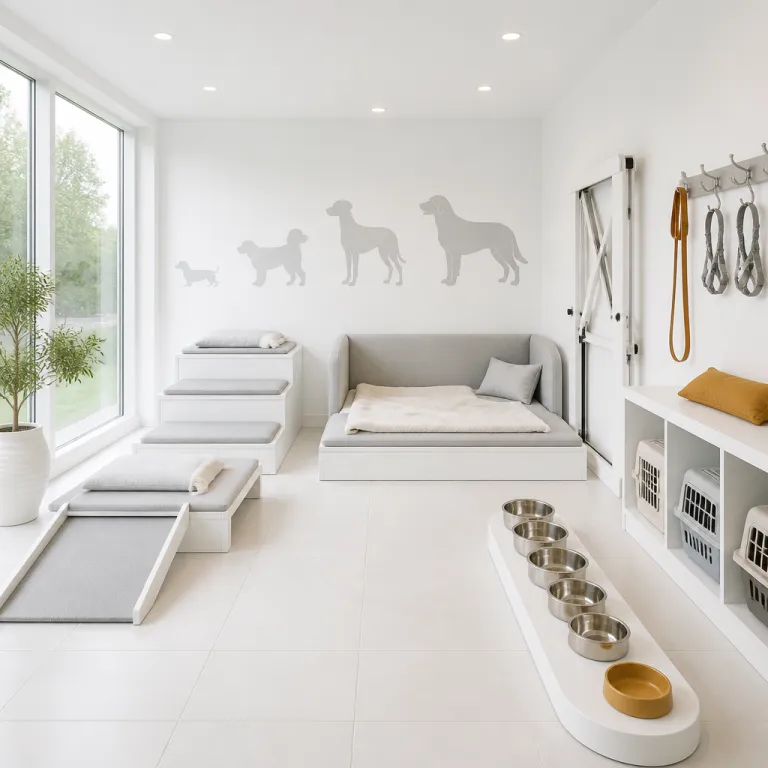
From policy binder to person at the desk
The real test of a pet friendly hotel starts before your dog reaches the lobby carpet. A polished policy page means little if the first hotel staff member you meet looks nervous when your pet steps out of the car, because pet friendly hotel staff training is what turns written rules into a calm, confident welcome. When you book luxury friendly hotels through a premium platform, you are not just choosing a hotel room, you are choosing the people who will read your animal’s body language as carefully as your reservation notes.
In well run hotels, staff training covers breed recognition, stress signals and emergency protocols so that every stay feels composed rather than improvised. A receptionist who can identify a herding dog versus a brachycephalic breed will plan your stay dog experience differently, from suggested walking areas to how quickly they pick dog friendly floors away from heavy traffic. That same person will also understand hotel etiquette for pets, such as when a dog will need a quieter room near hallways elevators exits, and when a cat or smaller pet needs extra time to settle in a crate.
Luxury properties that take this seriously train their équipe to keep dog and human needs in balance. They learn how to keep noise low with a noise machine or white noise unit when a nervous hotel dog must briefly stay alone, and how to respond if a dog bark pattern suggests distress rather than boredom. When you arrive, watch how quickly staff ask whether your pet is crate trained, whether you will bring crate equipment or need a hotel dog crate, and whether you prefer a dog bed or to keep your own bed setup untouched.
What pet friendly hotel staff training actually covers
At the top tier of friendly hotels, pet friendly hotel staff training is structured, repeatable and surprisingly technical. Front office, housekeeping and food and beverage teams learn to read canine stress signals, understand common dog behavior and manage allergen sensitive areas so that all guests can stay comfortably, even when dogs are allowed throughout much of the property. A well trained équipe will quietly ask whether your dog is crate trained, whether you plan to bring crate gear or prefer an in room dog crate, and how long you expect to leave the pet alone in the room.
Good training also covers movement patterns, because hallways elevators and stairwells are where frictions usually start. Staff learn how to keep dog traffic away from crowded breakfast areas, how to guide dog owners toward outdoor spaces and how to plan elevator rides so that a reactive dog will not feel trapped. When a dog bark echoes down a corridor, a trained team knows when to call the room, when to knock and when to wait, balancing hotel etiquette with the reality that some guests may be working or resting.
Emergency protocols form another layer of serious pet friendly preparation. Staff practice what to do if a hotel dog slips a leash, how to pick dog safe routes through service corridors and how to keep a frightened pet from bolting toward open doors. In parallel, housekeeping learns to read notes about a stay dog arrangement, such as whether a dog bed has been placed, whether a noise machine or white noise device is running and whether they should avoid entering while the pet is loose in the hotel room.
For a deeper look at how the front desk reveals its true attitude, read this detailed guide on how pet friendly hotels reveal themselves on arrival. It shows how a single conversation about where your dog will sleep, how long you plan to stay and whether you will bring or leave a crate can tell you more than any glossy brochure. Use that lens when you next check in, and you will quickly find which hotels are merely tolerant and which are genuinely welcoming.
The canine ambassador and the staff who stand behind the leash
Some luxury hotels have gone further by creating a formal canine ambassador role, turning one well mannered dog into a living symbol of their pet friendly culture. At Fairmont Copley Plaza in Boston, the resident hotel dog greets guests in the lobby while a dedicated team manages walks, grooming and guest interactions, which only works because pet friendly hotel staff training is embedded across the property rather than left to one handler. The Peninsula Chicago runs its Pet Pages service in a similar spirit, where staff coordinate dog walks, in room dog bed setups and even dog crate requests for guests who forget to bring crate equipment.
These programs succeed when every staff member, not just the ambassador’s handler, understands how to keep dog and guest experiences aligned. At St. Regis Aspen, for example, attentive service for pets means the front desk will plan a stay dog schedule around spa appointments, while housekeeping knows to read notes about where the pet will rest and whether a noise machine or white noise unit should be left on. Alderbrook Resort on Hood Canal has trained its équipe in partnership with local pet supplier Mud Bay, so staff can confidently advise dog owners on which rooms, trails and lawn areas best suit different breeds and energy levels.
For travelers, the presence of a hotel dog is less important than the depth of training behind the scenes. Ask who actually walks the ambassador, who decides which guests can meet them and how they handle dogs allowed in busy hallways elevators zones, and you will quickly sense whether the program is a photo opportunity or a serious commitment. To understand how the world’s best properties staff these roles, explore this analysis of who actually staffs the pet program at leading hotels, then compare those standards with the answers you receive at check in.
How trained staff quietly transform your stay
From the guest side of the leash, the most memorable pet friendly stays feel effortless. That ease usually comes from hotel staff who have rehearsed the small details of living with a dog in a hotel room, from where to place the dog bed to how to route you through quieter areas at busy times. When you arrive, a well trained agent will ask how long your stay will be, whether you plan to leave the pet alone and whether you will bring crate gear or prefer the hotel to supply a dog crate.
Those questions are not bureaucracy, they are the foundation of good hotel etiquette for pets and neighbors. A team that understands separation anxiety might suggest a room away from lift banks, offer a noise machine or white noise device and explain how they will keep dog welfare in mind if they hear a persistent dog bark. They may also help you find nearby parks, advise on dogs allowed rules in local cafés and plan housekeeping visits around your dog’s usual rest time so that guests on both sides of the wall can stay relaxed.
Trained staff also know when to step back. If your dog is crate trained and you bring crate equipment, they will note that the pet will stay dog safely contained during your dinner, reducing the risk of a startled housekeeper opening the door. If you prefer your pet to sleep on your own bed, they will keep extra linens ready and read your preferences carefully, rather than imposing a one size fits all dog bed solution that does not match your routine.
For more insight into how seasoned dog owners evaluate properties, the interview on how experienced travelers choose genuinely pet friendly stays offers practical questions you can adapt. Use those questions to plan your next booking, and you will quickly find which hotels have invested in real pet friendly hotel staff training and which still rely on guesswork. Over time, that knowledge becomes as valuable as any loyalty program status.
What to ask before you book a luxury pet friendly stay
On a premium booking website for pet friendly hotels, the photos will always look inviting. Your job is to read between the lines and ask the questions that reveal how deeply pet friendly hotel staff training runs through the property, because the answers will shape every hour of your stay. Start with basics such as where dogs are allowed, whether hallways elevators have any restrictions and whether the hotel will provide a dog bed, dog crate or expect you to bring crate equipment from home.
Next, move to how the équipe handles real life scenarios. Ask what happens if a dog bark complaint comes from a neighboring room, how they keep dog welfare in mind if a pet seems distressed and whether staff are trained to recognize signs that a stay dog might need a break from busy areas. Clarify whether housekeeping will enter if a pet is loose, whether they will read your notes about crate trained animals and how they plan to keep both guests and pets safe during turndown service.
Finally, explore how the hotel staff think about time and routine. A thoughtful team will ask when your dog will usually sleep, whether you use a noise machine or white noise at home and how long you expect to leave the pet alone so they can plan service around that rhythm. When you hear specific, confident answers rather than vague assurances, you can book knowing that this hotel, among many hotels, has turned pet friendly from a marketing line into a practiced craft that respects both you and your animal.
FAQ
How can I tell if a hotel is genuinely pet friendly before I arrive ?
Look beyond the pet policy and ask operational questions about pet friendly hotel staff training, such as who responds if a dog bark complaint arises and whether staff are trained to handle crate trained and non crate trained animals differently. Confirm where dogs are allowed, how hallways elevators are managed and whether the hotel room will include a dog bed or dog crate on request. Specific, confident answers usually signal that the hotel staff have real experience with pets rather than just a permissive policy.
Should I bring my own crate or use the hotel’s equipment ?
If your dog is already crate trained, bringing your own crate can help keep dog stress low because it smells like home and fits your usual routine. Some friendly hotels offer a dog crate on request, but availability and size can vary, so always ask in advance whether they will bring crate equipment to the room and how they clean it between guests. Whichever option you choose, make sure housekeeping knows that the stay dog will be secured when you leave the pet alone.
What should I do if my dog needs to stay alone in the room ?
Before leaving, inform the front desk how long the dog will be alone, whether the pet is crate trained and whether you are using a noise machine or white noise to reduce anxiety. Place a do not disturb sign on the door, leave contact details with hotel staff and keep dog comfort in mind by closing curtains and providing water and a familiar dog bed. If your dog is not used to being alone, plan shorter absences and avoid leaving during peak noise times in busy hotels.
How do luxury hotels manage pets in shared spaces like corridors and lifts ?
Well trained teams manage traffic in hallways elevators by staggering movements, suggesting quieter routes and sometimes assigning specific floors where dogs are allowed. Staff are taught to read canine body language, pick dog friendly paths away from crowded areas and guide dog owners toward exits or outdoor spaces quickly. When this level of pet friendly hotel staff training is in place, both guests with pets and those without can move comfortably through the hotel.
What questions should I ask the front desk at check in with my dog ?
Ask where dogs are allowed, how to reach outdoor areas quickly and what to do if you need to leave the pet alone in the hotel room. Clarify whether they will bring crate equipment or a dog bed if needed, how they handle a dog bark complaint and whether housekeeping will enter if a stay dog is loose. The quality of these answers will tell you more about the hotel staff’s training and attitude than any marketing description.