Why a pet-friendly hotel in the mountains is a different decision
A pet-friendly hotel in the mountains is not just a pretty backdrop for your next escape. It is a property where altitude, wildlife and direct access to trails shape every detail of the stay for you and your pet. When you book a mountain hotel, you are choosing an ecosystem as much as a room.
Luxury guests increasingly want a pet-friendly experience that feels as considered as any human-focused spa program. Hotel management teams in serious mountain properties now work with a trail maintenance crew or local trail association to align guest comfort with safe outdoor access for dogs and cats. That collaboration matters when your furry companions are sharing narrow hiking trails at around 2,400 metres (roughly 8,000 feet) above sea level.
In well-known Rocky Mountain resort towns, for example, the best lodge or inn will map how dogs permitted on nearby routes intersect with wildlife corridors. A genuinely dog-friendly mountain hotel will brief guests at check-in, provide printed pet policy details and highlight which designated rooms sit closest to exits for quick outdoor breaks. That level of planning separates a great resort from a generic house that simply allows pets in a few friendly rooms.
Altitude, acclimatization and how a mountain hotel should protect your pet
Average elevation for many mountain hotel clusters now hovers around 2,400 metres (about 8,000 feet), which changes how a dog or cat copes with exertion. Veterinary guidance and high-altitude medicine sources note that thinner air can increase breathing and heart rate in animals, so the altitude question is not theoretical; it shapes how long you should stay, how you plan hiking trails and how a hotel prepares its pet policy. Responsible properties help guests acclimate pets to altitude gradually rather than leaving them to guess.
Trail maintenance crew briefings, shared with front desk staff, should translate into clear advice at the phone and email stage before you book. You want a pet-friendly mountain hotel that reminds you to carry sufficient water for pets, to watch for early signs of altitude sickness and to pace first-day walks. When a hotel offers a toll-free reservation line or a phone toll number, use it to ask specifically how they manage altitude for dogs, cats and other furry companions.
For longer work trips that blend meetings and mountain air, look for a dog-friendly extended stay option where staff understand slow acclimatization, such as those highlighted in this guide to a pet friendly extended stay when the business trip includes the dog. A thoughtful inn or lodge will schedule gentle trails from the property for day one, then suggest more demanding routes later. When a resort takes altitude seriously for both guests and animals, you can enjoy the mountain area without second guessing every step.
From trailhead to turn-down: what genuine pet infrastructure looks like
Mountain properties that treat pet friendly as more than a marketing line start with layout. The best examples place designated rooms on lower floors near exits, with easy access to grass or compacted snow rather than long indoor corridors. That simple choice reduces stress for dogs, cats and owners returning from late night walks.
Inside the pet-friendly rooms, you should expect more than a token dog bed tossed beside the human mattress. A serious pet-friendly mountain hotel will provide washable throws, a dog’s room setup with bowls on a mat, and a small welcome amenity that might be a local inn brewery biscuit or a chew sourced from an outdoor outfitter. Integration of pet-friendly technology in rooms, such as discreet cameras or smart temperature controls, lets guests monitor pets by phone while they enjoy dinner in the main lodge.
Public spaces matter just as much as the private house-style rooms. Look for clear signage on where dogs permitted rules apply, from lobby lounges to terraces with white mountain views, and ask how staff manage interactions between dogs and children. For urban reference points on how refined properties handle shared spaces with animals, the best elegant pet-friendly hotels in Indianapolis show how to balance design with practicality, as explored in this overview of refined city escapes with your companion.
Trail access, wildlife and why the property’s location is everything
In mountain destinations, the most valuable amenity for pet owners is often the trailhead, not the spa. A pet-friendly mountain hotel earns its reputation when guests can step from the property directly onto maintained trails without navigating busy roads. That is where the trail maintenance crew becomes as important as the concierge.
According to recent National Park Service visitor summaries, only around 60% of trails in many mountain regions allow pets, which makes accurate guidance essential. A responsible mountain hotel will provide printed and digital trail maps, highlight which hiking trails are dog friendly and explain seasonal closures that protect wildlife. When you call the hotel by phone, ask specifically how far the nearest pet-approved loop is from the lodge entrance and whether off-leash areas exist in the immediate area.
Wildlife management is another non-negotiable for any resort that markets itself as dog friendly. Staff should brief guests on local species, from elk to coyotes, and explain how to keep dogs, cats and other animals on leash in sensitive zones. In places like the White Mountains or around eagle mountain ridges, a great inn will even schedule early morning walks with a guide who understands both animal behaviour and the terrain.
How mountain stays differ from beach or city hotels for pets
City hotels tend to focus on pavement walks, nearby parks and pet sitting services, while beach properties worry about sand, heat and salt water. A pet-friendly mountain hotel, by contrast, must design around altitude, steep gradients and rapidly changing weather. That shift in priorities affects everything from flooring choices to emergency protocols.
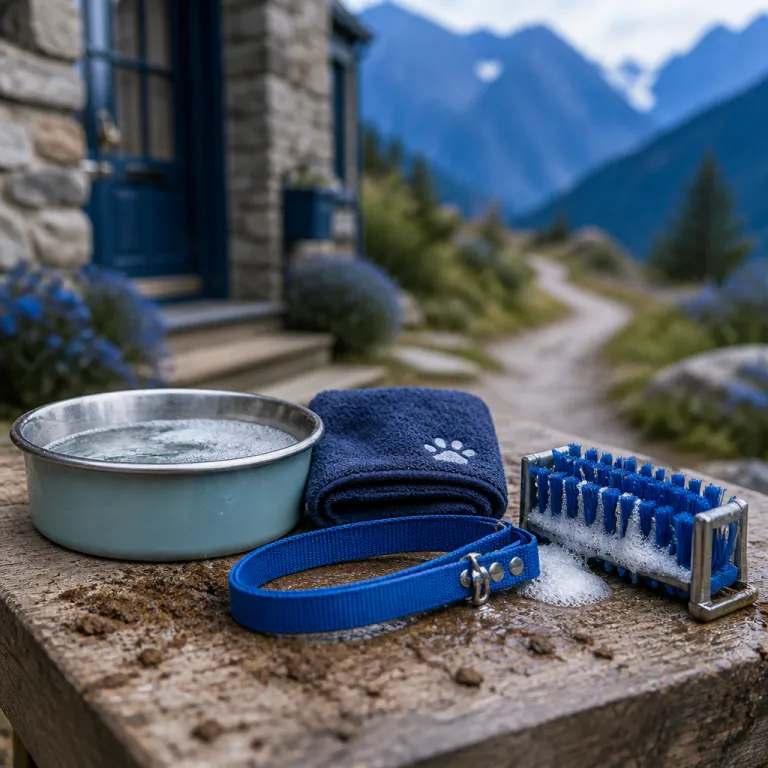
In the mountains, outdoor access is constant rather than occasional, so the best lodge teams think like trail outfitters as well as hoteliers. They stock towels at entrances, provide free waste bags at multiple points and coordinate with local veterinary clinics for rapid response if a dog injures a paw on rocky ground. Hotel management in serious properties also trains staff to answer questions such as “Are pets allowed on all mountain trails?” with the precise response “Policies vary; check specific trail regulations.”
Compare that with a refined city stay, where the focus might be on pet menus and polished lobbies, as seen in many urban properties featured in our coverage of luxury pet friendly hotels in San Diego and other destinations. For a mountain hotel, the equivalent mark of quality is a staff member who can name three shaded hiking trails within 5 kilometres and explain the pet policy on each. When you book, prioritise that level of knowledge over generic claims about being dog friendly or pet friendly.
Top pet friendly mountain areas: from the White Mountains to North Conway
Certain regions have become benchmarks for how to host pets in altitude-rich landscapes. The White Mountains in New Hampshire, with hubs like North Conway, offer a mix of classic inn properties, contemporary resorts and relaxed lodge-style houses that cater to dogs and cats. Many of these hotels sit within a short drive of trailheads where dogs permitted rules are clearly posted and enforced.
Look for a pet-friendly mountain hotel in the White Mountain corridor that has earned readers’ choice recognition or local choice awards for its animal welcome, not just its spa. These properties often feature on-site grassy areas, quick access to hiking trails and staff who can recommend dog-friendly breweries or an inn brewery with an outdoor terrace. When a hotel wins a readers’ choice award specifically mentioning pets, it usually signals that furry companions are treated as guests rather than tolerated add-ons.
Elsewhere in the Rocky Mountains, several resort corridors have emerged as test cases for integrated pet infrastructure, with clusters of properties focused on safe trail usage rather than a single fictional address. Here, methods such as regular trail maintenance, designated rooms for guests with animals and partnerships with outdoor equipment suppliers create a coherent ecosystem. For travellers who enjoy combining road trips with refined stays, our feature on luxury pet friendly hotels in San Diego shows how coastal and mountain itineraries can complement each other.
Reading the fine print: pet policy, fees and how to book smart
Even in celebrated mountain regions, not every pet friendly label means the same thing. Before you book, request the full pet policy by email or phone and read it as carefully as you would a spa menu. You are looking for clarity on weight limits, number of animals per room, whether dogs, cats and other species are accepted and which areas remain off limits.
Transparent properties state whether there are designated rooms for guests with pets, how cleaning is handled and whether any free amenities are included. Some hotels now offer a dog’s room category with hard flooring, direct outdoor access and a small fenced patio, which can be a great option for reactive animals. When a resort lists a toll-free reservation number or a dedicated phone toll line, use it to ask about noise policies, nearby trails and how staff handle barking when owners are away from the house or lodge.
- Confirm weight limits, breed restrictions and maximum number of pets per room.
- Check whether both dogs and cats are welcome and if unattended pets are ever allowed.
- Review nightly pet fees, deposits and what services or amenities they actually cover.
- Ask which room types are pet friendly and how far they are from exits or relief areas.
- Request details on nearby veterinary clinics, emergency contacts and local trail rules.
Price signals matter as well. A fair pet fee that reflects extra cleaning and wear is reasonable, but excessive nightly charges without corresponding services suggest a property that tolerates rather than welcomes animals. Look for hotels where guests mention in reviews that staff remembered their dog by name, recommended specific hiking trails and seemed genuinely friendly toward furry companions at every interaction.
Key figures for pet friendly mountain stays
- Average altitude for many established mountain hotels now sits around 2,400 metres (about 8,000 feet), which significantly increases the importance of gradual acclimatization for dogs and cats compared with sea level stays (see American Animal Hospital Association resources on high-altitude pet care and mountain hospitality benchmarks).
- Approximately 60% of maintained trails in several major mountain regions allow pets, so a hotel’s ability to guide guests toward appropriate routes directly affects how much outdoor time animals can safely enjoy (based on National Park Service visitor use and pet access summaries for popular mountain parks).
- Recent pet travel research shows that around a quarter of owners now choose affordable outdoor accommodations and camping over traditional resorts, signalling a broader shift toward nature-forward trips where trail access outranks spa menus (Rover pet travel trend reports and similar industry surveys).
- Internal hospitality data from operators in established Rocky Mountain resort corridors indicate that integrating pet-friendly technology in rooms and improving trail information has led to measurable increases in bookings and positive guest reviews over multiple seasons.
FAQ about pet friendly hotels in the mountains
Are pets allowed on all mountain trails near hotels ?
Policies vary widely, even within a single mountain area, so you should never assume that every path is open to animals. Many regions limit dogs permitted access to specific hiking trails to protect wildlife or fragile vegetation. Always ask your hotel for the latest maps and check posted regulations at each trailhead before setting out.
How can I prepare my dog for high altitude stays ?
Gradual acclimatization is essential for any pet-friendly mountain hotel stay above roughly 2,000 metres (around 6,500 feet). Plan a slower first day with short walks near the property, monitor your dog for signs of altitude sickness such as lethargy or rapid breathing and ensure constant access to fresh water. If your animal has pre-existing health issues, consult a veterinarian before you book and share the expected elevation of the lodge or resort.
What should a good mountain hotel pet policy include ?
A credible pet policy clearly states weight limits, maximum number of animals, whether both dogs and cats are accepted and which public areas remain off limits. It should specify designated rooms for guests with pets, outline cleaning procedures and explain any fees in plain language. Look for properties that also mention nearby trails, emergency veterinary contacts and how staff handle noise or unattended animals.
How do mountain hotels manage wildlife risks for pets ?
Responsible properties train staff to brief guests on local species, from deer to predators, and to recommend leashed routes in higher risk zones. Many coordinate with a trail maintenance crew to adjust suggested hiking trails seasonally, based on animal movements and vegetation. Some hotels also provide bear-proof waste bins, secure outdoor areas and guidance on what to do if you encounter wildlife while walking your dog.
What makes a mountain hotel genuinely dog friendly rather than just tolerant ?
Genuine dog-friendly properties integrate pets into their service design rather than treating them as an afterthought. You will see this in thoughtful room placement, easy outdoor access, free essentials such as waste bags and bowls and staff who can recommend specific routes and pet services by name. Reviews that praise how furry companions were welcomed, not just allowed, are often the best indicator that a hotel truly understands pet-focused travel.