Paris · Hotels
Maison Delano Paris
We selected this hotel for the courtyard. An eighteenth-century hôtel particulier on rue d'Anjou keeps...
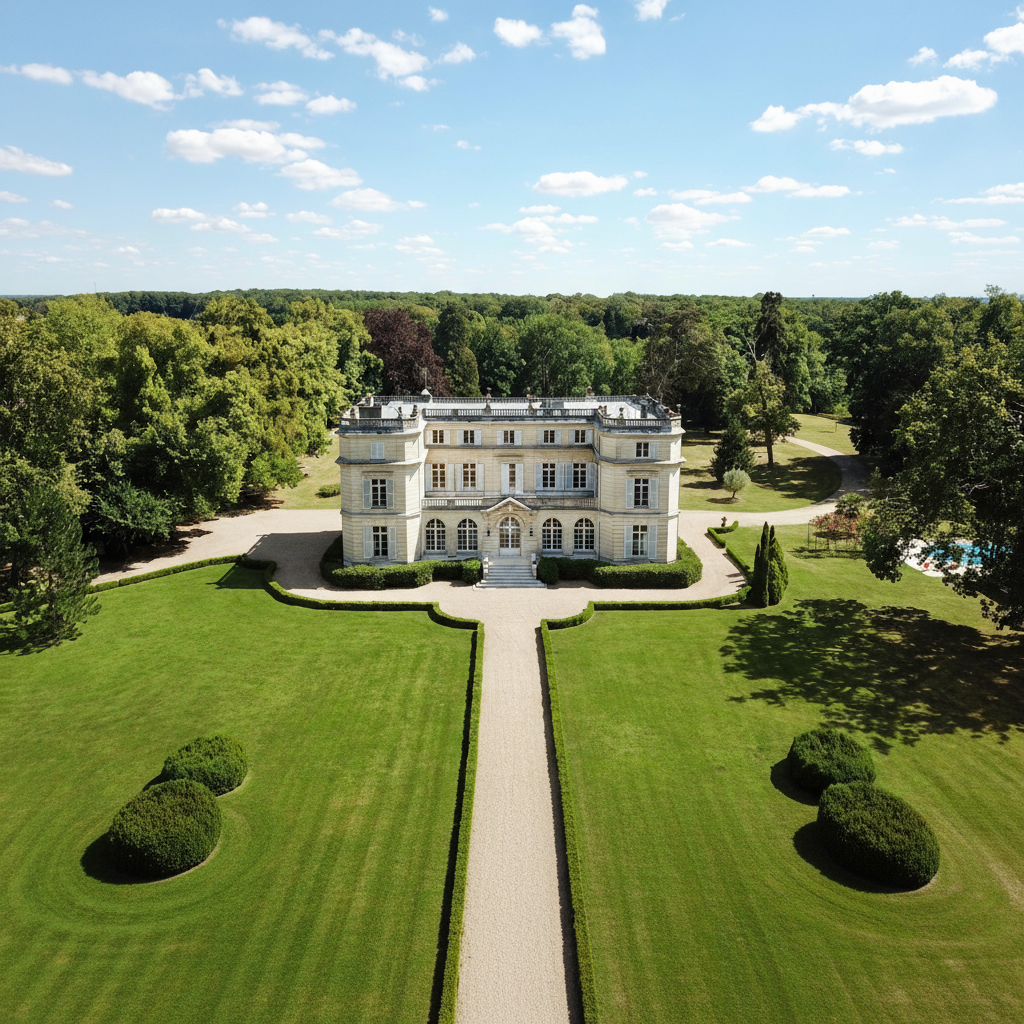
Château du Boulay-Morin dates to the reign of Louis XIV, and the property traces its history to a gift made to Madame de Maintenon, the king, second wife, a detail that gives the building, stonework and proportions a very specific kind of weight. Restoration has kept that period character intact while adding the comforts a modern stay expects, and the result mixes formal architecture with a genuinely relaxed atmosphere: a pair of resident huskies roam the grounds and set the tone for any dog that comes to stay. Nine rooms and suites are spread through the château and a separate contemporary tiny house in the woods, the latter fitted with its own Nordic bath and a view over the valley rather than the courtyard.
We chose Château du Boulay-Morin because it solves a problem most châteaux create for themselves: grandeur that keeps guests at arm, length. Forty-one hectares of forest and garden give a family, or a dog, genuine room to roam rather than a manicured lawn to admire from a window, and the heated pool, tennis court and pétanque pitch turn a single stay into several different kinds of afternoon. The presence of the resident huskies is not a marketing detail; it signals a property that has already worked out how animals and heritage architecture coexist, which is rarer than the pet-friendly label alone would suggest.
The château sits in rural Normandy, close enough to Caen and under an hour from Paris to work as either a weekend base or a stop on a longer regional trip. From the estate, the D-Day landing beaches, the half-timbered streets of Honfleur, the seaside villas of Deauville, Monet, gardens at Giverny and the tidal silhouette of Mont-Saint-Michel are all reachable in a day trip, which turns the property into a hub for exploring Normandy rather than a single-destination stay. The forty-one hectares mean the grounds themselves are worth a full day before anyone gets back in the car.
Price: Standard to Premium, château rate
Vibe: historic, spacious, family-run, dog-friendly
Rooms: 6 rooms + 3 suites in the château, plus a tiny house in the woods
Best For: families and small groups wanting space, indoors and across the estate
Our Favorite Thing About the Hotel: the resident huskies that roam the 41-hectare grounds alongside guests, dogs
Dining: guest kitchen, breakfast, cheese and charcuterie platters, and a fireplace pavilion for grilling
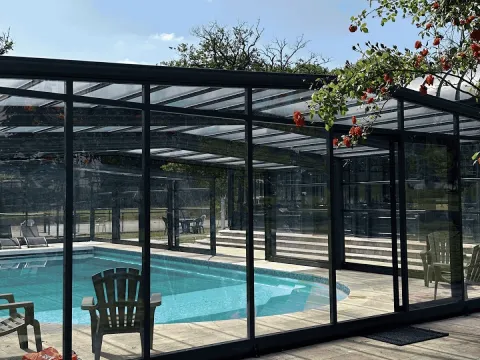
Amenities: heated outdoor pool at 30°C year-round, tennis court, pétanque, bicycles, billiards, massage on request, pets welcome
Attractions: D-Day beaches, Honfleur, Deauville, Giverny and Mont-Saint-Michel, all within a day trip
The château itself holds six rooms and three suites, several elegantly decorated with period furniture and a few fitted with a private jacuzzi for a more romantic stay. Guests who would rather stay apart from the main building can take the tiny house set into the woods, a contemporary build with its own Nordic bath and a view over the valley instead of the formal gardens. Between the two, the property covers a wider range of what a stay in the French countryside can feel like than most single-building châteaux manage, from a suite under a period ceiling to a Nordic bath under the trees.
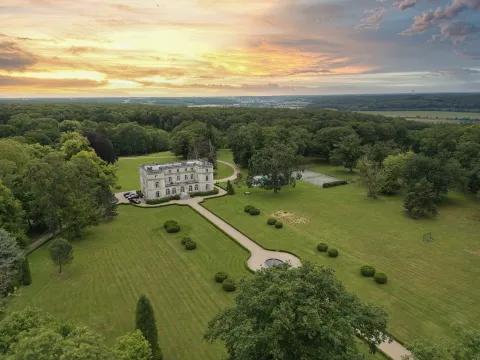
Beyond the château walls, the estate, forty-one hectares split into thirty-four of forest and seven of landscaped garden, enough ground that the tennis court, pétanque pitch and bicycle stores rarely feel crowded even with a full house. The heated pool stays at thirty degrees year-round, which matters in a region where the weather does not always cooperate, and indoor options, billiards, table tennis, foosball, cover the evenings when the huskies have already had their fill of the grounds. A fireplace pavilion lets guests grill their own dinner outdoors, closing the day the same way it started: outside, with the dogs, rather than in a formal dining room.
Our country guides to the best pet-friendly hotels, with the properties our editors would book themselves.