Why luxury dog friendly hotels matter for modern travellers
Luxury dog friendly hotels have transformed how discerning guests plan every pet friendly escape. A premium hotel stay now considers the pet as a full guest, with tailored services that go far beyond a simple pets allowed note on a booking page. This shift reflects how dogs and other pets shape travel choices, destinations, and even the length of each extended stay.
When you evaluate pet friendly hotels, you should learn how each property defines a truly welcoming experience. Some hotels allow one pet per room with a modest pet fee, while others accept several dogs and cats and charge higher pet fees that include amenities. The most refined pet friendly hotel options publish a clear pet policy, outlining breed restrictions, size limits, and any rules on access to pools, restaurants, or spa areas.
On a dedicated luxury booking website, availability booking tools now highlight dog friendly rooms and pet friendly suites with direct access to gardens or terraces. You can filter hotels by pet fee range, by whether water bowls and food and water stations are provided, and by whether pets allowed areas include lounges or only outdoor paths. This level of transparency helps you compare fees, understand how each hotel applies local taxes to pet charges, and secure the right room category before you travel.
High end dog friendly accommodation also recognises that a pet is part of your lifestyle, not an afterthought. Many properties offer a curated visitor guide that lists nearby dog friendly beach paths, urban parks, and pet friendly cafés within a few hundred metres. When a hotel concierge can recommend a trusted day pet care partner or groomer, your stay becomes smoother, safer, and far more relaxing.
Luxury travellers increasingly expect a seamless digital journey when planning travel with dogs. A well designed website should show real time availability, highlight any restrictions in plain language, and allow you to add pet fees during checkout instead of at reception. This clarity builds trust and prevents awkward conversations about breed restrictions or surprise fees at the front desk. As one frequent guest put it, “Seeing every pet rule before I click pay means I arrive confident instead of anxious.”
Top coastal destinations for dog friendly hotels
Coastal cities have become prime locations for luxury dog friendly hotels that welcome sandy paws and salty fur. Along the Atlantic and Pacific coasts, you will find pet friendly properties that offer direct access to a beach, outdoor showers for dogs, and shaded cabanas where pets allowed rules are relaxed. These hotels often provide water bowls at every entrance, plus food and water stations near the pool deck to keep pets hydrated in the sun.
In North Carolina, Wilmington stands out for elegant pet friendly stays near the waterfront. Several boutique hotels in this coastal city combine historic architecture with modern pet policy standards, offering pet friendly rooms that open onto courtyards where dogs can stretch after a long drive. For curated options, you can review an elegant coastal pet friendly hotel selection in Wilmington that highlights properties with low pet fees and generous amenities.
On the West Coast, many travellers look to San Diego for a refined beach escape with dogs. Luxury hotels along Mission Bay and La Jolla often feature direct beach access, on site dog washing stations, and a clear pet policy that explains any restrictions on off leash areas. When you book through a specialised website, you can filter by pet fee, by whether dogs and cats are accepted, and by whether extended stay options are available for longer coastal breaks.
Kimpton Hotels have built a strong reputation in coastal markets by welcoming pets without a traditional pet fee. At many Kimpton properties, pets allowed policies extend to lobbies and some outdoor dining spaces, making it easier to enjoy sunset drinks without leaving your dog alone in the room. These Kimpton hotels often provide plush pet beds, water bowls, and a printed visitor guide that lists nearby dog friendly beach segments and coastal trails.
When comparing coastal dog friendly resorts, pay close attention to seasonal restrictions. Some destinations limit dogs on the beach during peak daytime hours, which can affect how you plan each day pet outing and your overall stay rhythm. A responsive hotel concierge should help you learn local rules, suggest quieter stretches of sand, and advise on the best times for off peak walks.
Urban luxury: pet friendly stays in world class cities
Major cities now compete to host the most sophisticated dog friendly hotels, catering to travellers who combine business and leisure. In dense urban centres, a pet friendly hotel must think creatively about green space, offering access to nearby parks, rooftop relief areas, or landscaped courtyards. These features matter as much as room size, especially when dogs stay indoors for longer periods between meetings or cultural outings.
In cities like San Francisco, New York, and Chicago, you will find upscale hotels that treat pets as VIP guests. Many of these hotels provide welcome kits with treats, collapsible water bowls, and maps that function as a compact visitor guide to local dog runs and pet friendly cafés. Some properties even coordinate with nearby day pet care services, allowing you to attend events while your dog enjoys supervised playtime.
Kimpton Hotels remain a benchmark in several urban markets, thanks to their consistent pets allowed philosophy and transparent pet policy. At many Kimpton locations, there is no additional pet fee, which can significantly reduce overall fees for longer stays in expensive cities. However, you should still learn about any breed restrictions or room type limitations, because some high floor suites or historic wings may not be designated as pet friendly rooms.
Business travellers who favour extended stay formats often turn to brands such as Extended Stay America and similar apartment style hotels. These properties usually offer kitchenettes, laundry facilities, and more generous floor plans, which benefit both pets and owners during multi week assignments. When booking, examine how the hotel structures its pet fees, whether the pet fee is charged nightly or as a one time fee, and how local tax calculations apply to those charges.
For a broader perspective on how urban pet friendly standards have evolved, review a specialised pet friendly hotel guide on recent shifts in the market. Guides like this help you compare dog friendly hotels across cities, understand new restrictions, and identify properties that moved first to remove outdated breed restrictions. With this knowledge, you can align your travel plans with hotels that match your expectations for service, design, and genuine pet care.
How to read pet policies, fees, and breed restrictions with confidence
Every luxury traveller bringing a pet should treat the pet policy as carefully as the room description. A well written policy explains how many pets are allowed per room, whether dogs and cats are both accepted, and what weight limits apply to each animal. It should also clarify whether the pet fee is refundable, how pet fees are taxed, and whether any part of the fee funds deep cleaning after your stay.
When comparing dog friendly hotels, look for policies that separate nightly room rates from all pet related fees. Some pet friendly hotels charge a flat pet fee per stay, which can be cost effective for an extended stay of ten nights or more. Others apply nightly pet fees that quickly add up, especially in cities with high surcharges on ancillary charges.
Breed restrictions remain a sensitive topic in the world of pet friendly travel. Certain properties still exclude specific dog breeds due to insurance requirements, while others evaluate dogs individually based on behaviour rather than appearance. Before you confirm availability booking, contact the hotel directly to learn how strictly they enforce breed restrictions and whether exceptions are possible with prior approval.
Luxury properties that truly welcome pets usually provide clear guidance on where pets can move freely. You should learn whether pets are allowed in the lobby, on terraces, or only along designated corridors between your room and outdoor exits. Hotels that offer pet friendly rooms on lower floors with quick outdoor access often provide a calmer experience for both pets and owners.
Transparent communication about restrictions builds trust between guests and hotel teams. When a property explains why certain areas remain pet free, such as spa zones or fine dining rooms, you can plan your evening schedule accordingly. This clarity allows you to arrange day pet care, schedule walks, and avoid last minute stress during what should be a relaxing stay.
Signature amenities that define true luxury for pets and owners
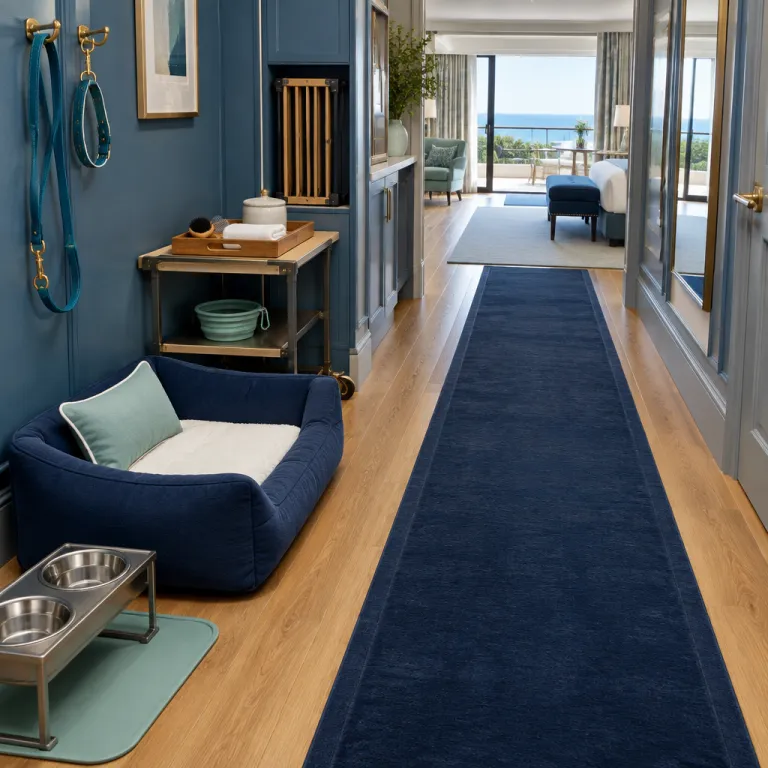
The finest dog friendly hotels stand out through thoughtful amenities that respect both animal welfare and human comfort. In these properties, a pet is welcomed with a plush bed, high quality treats, and water bowls already filled in the room upon arrival. Many hotels also provide food and water mats to protect hardwood floors and keep feeding areas tidy.
Some luxury pet friendly hotels partner with local pet bakeries and groomers to elevate the experience. You might find a curated visitor guide in your room that lists trusted vets, groomers, and pet boutiques within a short walk or taxi ride. This guide often includes recommended dog friendly parks, a nearby beach if the city is coastal, and emergency contact numbers for out of hours veterinary care.
Kimpton Hotels and similar brands often host evening social hours where pets allowed policies extend to public spaces. Guests can mingle with other travellers while their dogs relax on soft rugs, creating a warm community atmosphere that many repeat visitors value. In some properties, staff members keep a stash of toys behind the front desk, ready to entertain shy or energetic dogs after a long journey.
Room design also plays a crucial role in luxury pet friendly stays. Pet friendly rooms may feature easy to clean flooring, discreet hooks for leashes near the door, and sliding doors that open onto private terraces or small gardens. These details reduce stress for owners, who can manage late night walks or early morning outings without navigating long corridors.
High end properties increasingly offer wellness focused services for pets, such as in room massage sessions, personalised day pet activity plans, or access to nearby dog swimming pools. While these services often carry additional fees, they can transform a standard hotel stay into a memorable shared experience. When evaluating options on a booking website, pay attention to how each property describes these amenities, because vague language may signal limited availability or strict restrictions.
Planning your itinerary: matching destinations, hotels, and your pet’s needs
Thoughtful planning is essential when you combine luxury travel with the realities of caring for a pet. Start by assessing your dog’s temperament, energy level, and any medical needs that might affect your choice of destination or length of stay. A high energy dog may thrive near a beach or large park, while an older pet might prefer a quieter city hotel with short elevator rides and soft bedding.
Once you understand your pet’s profile, you can shortlist dog friendly hotels that align with those needs. Use a specialised website to filter by pets allowed policies, by whether extended stay options exist, and by the presence of nearby green spaces or waterfront paths. In coastal cities such as San Diego, you can consult a detailed guide to luxury pet friendly hotels to compare properties with direct beach access, low pet fees, and generous amenities.
During itinerary planning, pay close attention to travel logistics such as flight duration, ground transfers, and local climate. Long haul journeys with multiple connections can be stressful for dogs and cats, especially in hot weather or during busy holiday periods. When possible, schedule rest days in your plan so that your pet can adjust gradually to the new environment before you embark on full day excursions.
Aligning restaurant reservations, spa appointments, and cultural visits with your pet’s routine will help maintain a calm atmosphere. Many luxury hotels can arrange trusted day pet care or dog walking services, allowing you to enjoy a museum visit or fine dining experience without worry. Confirm these services during availability booking, because last minute requests may face restrictions or higher fees.
Finally, prepare a compact travel kit that mirrors your pet’s home environment. Include familiar toys, a favourite blanket, collapsible water bowls, and enough food and water supplies for the entire trip, plus a small surplus for delays. When you arrive at the hotel room and set up this kit immediately, your pet will settle faster, and you can begin enjoying the refined comforts of your chosen pet friendly hotel.
Using a premium booking website to secure the best dog friendly stay
A specialised luxury booking website for dog friendly hotels can save you hours of research. These platforms aggregate verified information on pet policy details, pet fees, breed restrictions, and amenities such as water bowls, food and water stations, and nearby parks. By centralising this data, they allow you to compare hotels quickly and focus on properties that genuinely welcome pets.
When you search, start by setting filters for pets allowed, maximum pet fee per stay, and whether extended stay rates are available. Many premium sites highlight pet friendly rooms with icons, showing which room categories accept dogs and cats and which remain pet free for allergy sensitive guests. You can also refine results by destination type, such as beach resorts, urban landmarks, or countryside retreats, to match your broader travel goals.
High quality platforms present availability booking information in real time, reducing the risk of overbooked pet friendly rooms. They often display clear notes about restrictions, such as limits on unattended pets in the room or requirements for leashes in public areas. Before you finalise payment, review how local tax calculations apply to both room rates and pet related fees, so that your budget remains accurate.
Look for websites that provide editorial content, such as destination visitor guide articles and expert reviews of pet friendly hotels. These pieces often highlight subtle differences between properties, such as staff training on animal behaviour, access to emergency veterinary care, or partnerships with local day pet services. Such context helps you move beyond simple star ratings and choose a hotel that aligns with your expectations for service and safety.
Finally, a trustworthy booking website will offer responsive customer support for complex pet related questions. If your dog has medical needs or if you travel with multiple pets, you may need human assistance to confirm nuanced restrictions before committing to a non refundable stay. By combining transparent digital tools with knowledgeable support, these platforms make it easier to secure a refined, genuinely pet friendly hotel experience in any destination.
Key statistics on luxury pet friendly travel
- According to the American Pet Products Association’s 2023–2024 National Pet Owners Survey (United States), more than 66 percent of U.S. households now own a pet, which significantly increases demand for pet friendly and dog friendly hotels across major destinations. Full survey details are available from the APPA’s official 2023–2024 report.
- Research from the American Hotel & Lodging Association’s 2022 Lodging Industry Trends report (U.S. market) indicates that over 60 percent of U.S. hotels now allow pets, but only a smaller premium segment offers dedicated pet friendly rooms, specialised amenities, and clearly structured pet fees. The AHLA publishes this data in its 2022 Lodging Industry Trends publication.
- Data from Expedia Group’s 2022 Traveler Value Index (global sample) shows that searches for pet friendly stays grew by more than 30 percent over a recent multi year period, with coastal cities such as San Diego and urban hubs like New York among the fastest growing markets. These findings are summarised in Expedia Group’s 2022 Traveler Value Index report.
- Industry surveys in Europe and North America between 2021 and 2023 report that travellers with pets are willing to pay an additional 20 to 40 euros (or roughly US$22 to US$44) per night in pet fee charges when hotels provide high quality amenities such as pet beds, water bowls, and access to nearby green spaces.
- Several major brands, including Kimpton Hotels, have reported increased guest loyalty and repeat bookings after removing standard pet fees and simplifying their pet policy language across properties, according to internal brand statements shared in 2022–2023.
FAQ about luxury dog friendly hotels
How can I verify a hotel’s pet policy before booking ?
Always read the pet policy section on the hotel’s website and then contact the property directly by email or phone. Ask specific questions about pets allowed limits, breed restrictions, pet fees, and where pets can go within the hotel. Request written confirmation of any exceptions so that you have clear documentation at check in.
What is a reasonable pet fee at a luxury hotel ?
In the premium segment, a reasonable pet fee typically ranges from 20 to 75 euros (or a similar amount in local currency) per night, depending on location and included amenities. Some hotels charge a one time fee per stay, which can be better value for an extended stay of several nights. Brands such as Kimpton Hotels sometimes waive standard pet fees entirely, focusing instead on clear behaviour rules.
Are there common breed restrictions in upscale pet friendly hotels ?
Some luxury hotels still apply breed restrictions due to insurance policies, often listing specific large or muscular breeds. Other properties evaluate dogs individually, focusing on behaviour and vaccination records rather than breed labels. Always learn the exact rules before confirming availability booking, especially if you travel with a dog that is frequently restricted.
What amenities should I expect in truly friendly rooms for pets ?
Genuinely pet friendly rooms usually include a comfortable pet bed, bowls for food and water, and easy to clean flooring. Many hotels also provide welcome treats, waste bags, and a visitor guide to nearby parks or a beach. Higher end properties may add extras such as pet room service menus, grooming partnerships, or access to outdoor relief areas.
How do I choose between a city hotel and a beach resort for my dog ?
Consider your dog’s energy level, noise tolerance, and exercise needs when choosing between urban and coastal destinations. A beach resort offers open space and softer surfaces, but may have seasonal restrictions on dogs during busy hours. City hotels provide cultural access and shorter travel times, yet you must ensure there are safe parks or walking routes within a few hundred metres of the property.